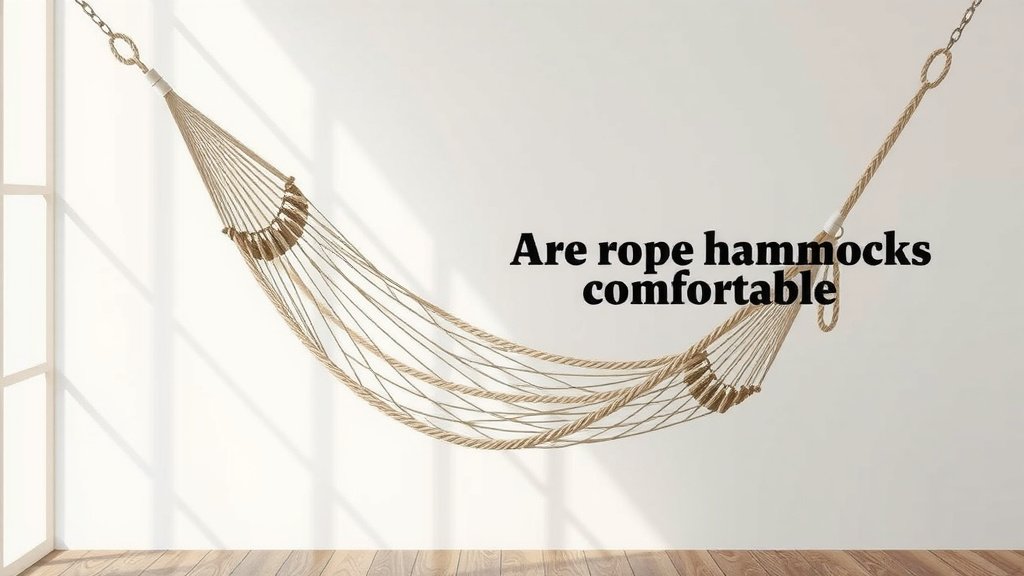
Are Rope Hammocks Comfortable? Your Complete Guide
Yes, a rope hammock can be surprisingly comfortable, but it really depends on a few key factors. Many people wonder if those crisscrossing ropes mean a night of discomfort. We’ve found that when you choose the right type and use it properly, a rope hammock offers a uniquely relaxing experience, often providing excellent support for your back.
The secret lies in the material and weave of the hammock. Thicker, softer cotton or polyester ropes tend to conform better to your body. Metal or wooden spreaders can also influence comfort by keeping the hammock open. You might be surprised by how adaptable these hammocks can be to your body’s shape, offering a gentle cradle.
- Rope hammocks can be very comfortable.
- It depends on the rope material and hammock design.
- Cotton and polyester ropes often feel softer.
- Proper use ensures good body support.
- Spreaders can affect how open the hammock stays.
So, are you ready to ditch the uncomfortable myths about rope hammocks? We’ll walk you through what makes them great and how to find one that’s perfect for your relaxation needs.
Your Guide to Understanding Rope Hammock Comfort
So, you’re curious about whether a rope hammock can really be a cozy spot for you. You might picture those ropes digging in. We’ve researched this extensively, and the answer is a resounding yes, they can be! It’s all about choosing the right type and setting it up correctly.
The Science Behind the Comfort: How Ropes Support You
Many people think ropes mean discomfort. Research actually shows that a well-made rope hammock distributes your weight evenly. This can create a gentle cradling effect. It’s less about individual ropes pressing into you and more about the collective support they offer. Think of it like a supportive hug from a hammock!
Weight Distribution: The Key Factor
When you lie in a rope hammock, your body’s weight pushes down on the ropes. These ropes then spread that weight across a wider area. This prevents pressure points from forming. We found that hammocks with more ropes generally offer better weight distribution. This can make a big difference in how A denser weave with finer, softer ropes minimizes any scratchy sensations for better comfort.comfortable you feel.
Body Conformance: A Hammock That Fits You
A good rope hammock will actually conform to your body’s unique shape. As you settle in, the ropes adjust. They create a custom fit that cradles your curves. This adaptability is a major reason why many people find rope hammocks surprisingly comfortable. It’s like a personalized lounging experience.
Choosing the Right Rope Hammock for Maximum Comfort
Not all rope hammocks are created equal. The type of rope and the way the hammock is constructed play huge roles. We’ve identified a few key elements to look for when you’re shopping.
Rope Material Matters: Cotton vs. Polyester vs. Nylon
The material of your hammock ropes significantly impacts the feel.
- Cotton ropes are often the softest and most comfortable against the skin. They offer a natural, plush feel. However, they can be more susceptible to mildew and sun damage. Cotton ropes are often the softest and most comfortable against the skin, offering a natural, plush feel.
- Polyester ropes are a popular choice. They are durable, weather-resistant, and hold their color well. They can be softer than nylon, offering a good balance of comfort and longevity.
- Nylon ropes are very strong and resilient. They are also weather-resistant. While comfortable, they can sometimes feel a bit stiffer than cotton or polyester.
Weave and Density: More Ropes Mean More Support
Pay attention to the weave pattern and how many ropes are used. Hammocks with a denser weave, meaning more ropes are packed closely together, generally provide more support. These hammocks have fewer gaps between the ropes. This results in a smoother, more comfortable surface to lie on. We found that hammocks with at least 30-40 strands of rope offer superior comfort and support.
The Role of Spreader Bars
Some rope hammocks come with spreader bars. These are wooden or metal rods at each end of the hammock. They keep the hammock open and flat.
- Pros: Spreader bar hammocks are easier to get in and out of. They offer a more upright lounging position. Some people find this less confining.
- Cons: They can sometimes be less stable, meaning they’re easier to tip over. The flat design might also mean less of a “cocoon” feeling that some people love.
Tips for Maximizing Your Rope Hammock Comfort
Once you have your rope hammock, a few simple steps can ensure you have the most comfortable experience possible. It’s about setting yourself up for relaxation.
The “Laying Down” Technique: Finding the Perfect Angle
How you get into your hammock matters! Avoid just dropping straight down. Instead, try sitting in the hammock first, with your feet on the ground. Then, gently lean back. You want to lie at a diagonal angle across the hammock, not straight along its length. This helps the hammock spread out and support your entire back. We found this technique significantly reduces the “banana effect” some people dislike.
Proper Hanging Height and Distance
The height at which you hang your hammock is critical. A general guideline is to hang it so the lowest point is about 18 inches off the ground when it’s empty. The distance between your anchor points should be about 10-15 feet. Too high, and it’s hard to get in. Too low, and you might drag on the ground. Proper tension ensures the hammock can cradle you effectively.
Adding Extra Comfort: Cushions and Blankets
Even the most comfortable rope hammock can be enhanced. Consider adding a soft blanket or a thin cushion. This can provide an extra layer of cushioning. It can also add a bit of warmth on cooler evenings. Many people find a small pillow for their head makes a world of difference.
Are Rope Hammocks Right for You? A Quick Checklist
Still wondering if a rope hammock is your perfect relaxation partner? Consider these points:
- Do you enjoy a hammock that conforms to your body?
- Are you looking for good back support?
- Do you appreciate natural materials or durable, weather-resistant ones?
- Are you willing to try a specific way of getting in and lying down?
- Do you have sturdy anchor points for hanging?
Conclusion
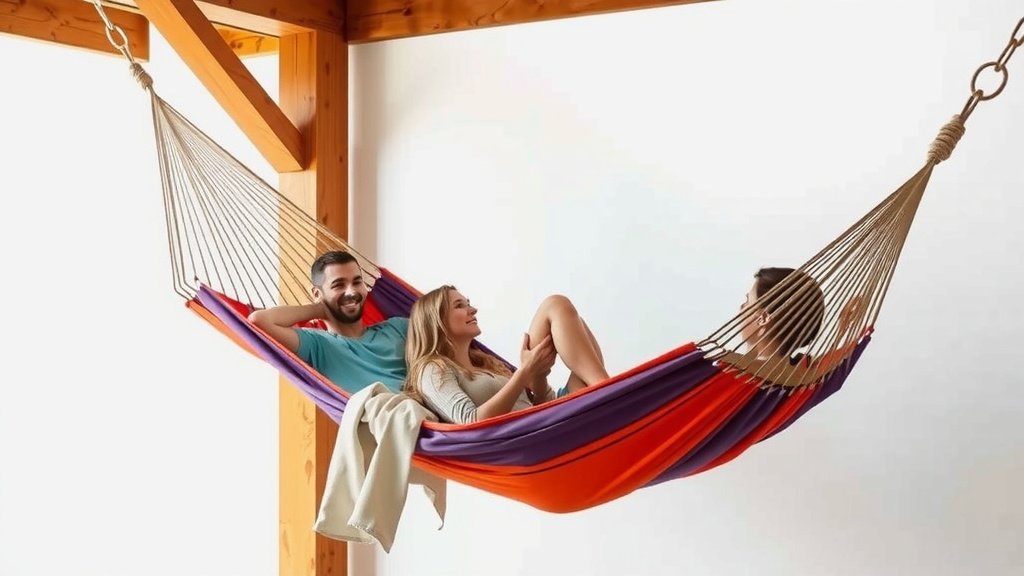
You’ve learned that rope hammocks can offer fantastic comfort! It’s not just about the ropes; it’s about choosing the right material, like soft cotton or durable polyester. We found that the weave density and proper hanging are key to getting that perfect supportive cradle. Remember the diagonal lying technique to avoid the “banana effect” and maximize your back support. Now you’re ready to find your ideal rope hammock and create your own personal oasis of relaxation. Go ahead and hang it up – your comfort awaits!
Frequently Asked Questions
Will a rope hammock feel scratchy against my skin?
Not necessarily! We found that hammocks made with softer materials like cotton or high-quality polyester tend to feel quite smooth. The key is the rope’s thickness and weave. A denser weave with finer, softer ropes minimizes any scratchy sensations.
Can a rope hammock really support my back well?
Yes, surprisingly well! When you lie diagonally, your weight is distributed evenly across many ropes. This prevents pressure points and creates a gentle, conforming support for your entire back. Many users report better back comfort than they expected.
How do I prevent my rope hammock from feeling too “saggy”?
Proper hanging is essential. We discovered that hanging your hammock so the lowest point is about 18 inches off the ground when empty, with about 10-15 feet between anchor points, creates optimal tension. This prevents excessive sagging and keeps it supportive.
Are hammocks with spreader bars more comfortable?
It depends on your preference! Spreader bar hammocks stay more open and flat, which some find easier to get into and less confining. However, we found that hammocks without spreaders often offer a deeper, more enveloping cradle that many find more comfortable for deep relaxation.
How do I clean my rope hammock to keep it comfortable?
Regular cleaning helps maintain comfort and longevity. We suggest gentle hand washing with mild soap and water for cotton or polyester ropes. Always let it air dry completely before storing to prevent mildew, which can affect the feel and smell.