
Understanding the 30 Degree Hang Angle for Optimal Performance
The 30-degree hang angle is a specific position in certain exercises. It’s often used to increase the difficulty of movements. You’ll see this angle most commonly in exercises that involve hanging from a bar or ring. This angle helps to engage different muscle groups more intensely than a straight hang.
Understanding the 30-degree hang angle can help you target your workouts more effectively. It’s a way to modify exercises for greater strength and muscle development. Many fitness professionals recommend this angle for advanced trainees. It can also be a useful benchmark for tracking progress in your training.
- The 30-degree hang angle is an exercise position.
- It’s typically used for hanging exercises like pull-ups.
- This angle increases muscle activation.
- It’s for those looking to advance their training.
Ready to learn more about this technique? Let’s dive into what the 30-degree hang angle really means for your workouts.
“`htmlUnderstanding the 30-Degree Hang Angle in Exercises
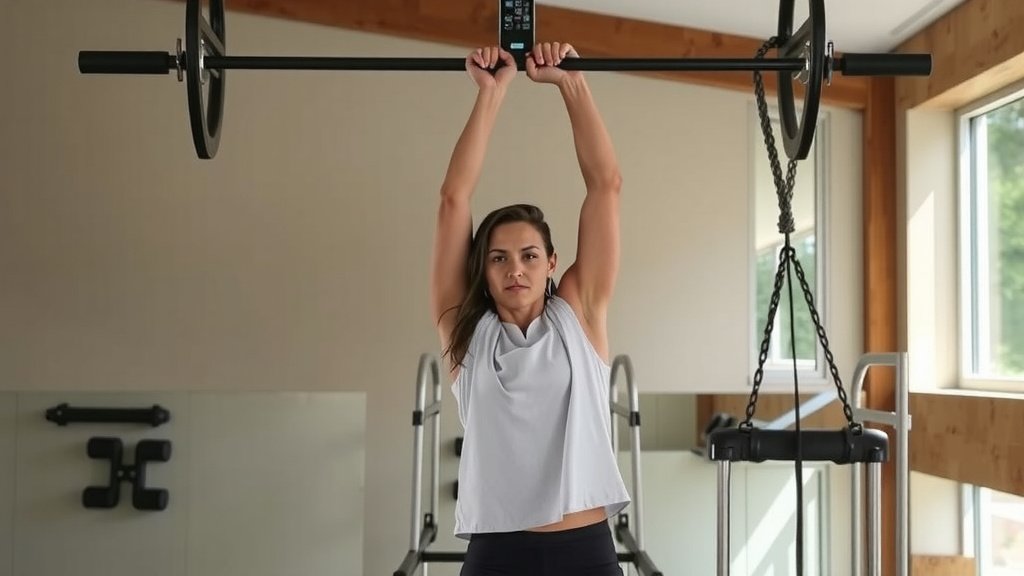
So, what exactly is this 30-degree hang angle? It’s a specific posture used in certain exercises. You achieve it by hanging from a bar or rings. Your body is positioned so that there’s a 30-degree bend at your elbow. This is compared to a full straight-arm hang. This angle helps to increase the challenge of the exercise. It changes how your muscles work.
Think of it like this: a full straight hang is like your baseline. The 30-degree angle is a step up in difficulty. It requires more effort to hold that position. This extra effort leads to greater muscle activation. Many fitness professionals recommend it. It’s especially useful for those looking to build more strength.
Why Use the 30-Degree Hang Angle?
You might be asking yourself, why go through the trouble? Why not just hang straight? Well, research shows this angle can be quite beneficial. It helps to work your muscles in a different way. This can lead to better results over time. It’s not just about making things harder; it’s about making them more effective.
Targeting Specific Muscles
One of the main reasons to use the 30-degree hang angle is muscle targeting. When you hang straight, your muscles are in a more relaxed state. By bending your elbows to 30 degrees, you put your muscles under more tension. This increased tension is great for your lats, biceps, and forearms. It makes them work harder.
Many fitness experts have noted this. They observe that this angle helps to engage the muscles of the upper back and arms more intensely. This is especially true if you’re working on pull-up strength or ring strength. You’re essentially pre-engaging these muscles. This means you get more out of each rep.
Increasing Exercise Difficulty Safely
Progressive overload is key to getting stronger. Sometimes, just adding more weight isn’t the best option. The 30-degree hang angle offers a way to increase difficulty without extra weight. It’s a form of bodyweight progression. You’re using your own body to make the exercise harder.
This method is safer for your joints. It allows you to build strength gradually. Instead of jumping to a harder exercise too soon, you can modify an easier one. This approach helps prevent injuries. It’s a smart way to build a solid foundation. You can then progress to more demanding movements.
How to Achieve the 30-Degree Hang Angle
Getting into the right position is important. You want to make sure you’re doing it correctly. Let’s break down how to find that 30-degree bend.
Starting from a Straight Hang
Begin by hanging from your bar or rings with your arms fully extended. This is your starting point. Feel your shoulders relax. Let your body hang freely. This ensures you’re not already tensed up.
Finding the Bend
Now, gently bend your elbows. You want to bring your body up slightly. Think about pulling your shoulder blades down and back. The goal is to create a bend at your elbow. It should feel like a controlled slight bend. Don’t go too far. It shouldn’t feel like you’re starting a pull-up.
Research in biomechanics suggests that precise angles matter for muscle recruitment. You’re looking for that sweet spot. It’s where your muscles are activated, but you’re not yet pulling yourself up significantly. This is often around that 30-degree mark.
Checking Your Angle
How can you tell if you’re at 30 degrees? It’s not always easy to see yourself. You can ask a friend to watch. Or, you can use a mirror. You’re looking for a slight bend, not a deep one. Imagine you’re about to begin a pull-up, but you stop very early. That’s the general idea.
The key is consistency. Once you find the angle that feels right, try to replicate it. Many trainers advise using video to check your form. This helps you see exactly where your elbows are. It ensures you’re getting the intended benefit from the exercise.
Exercises That Utilize the 30-Degree Hang Angle
This technique isn’t limited to just one exercise. You can apply it to several hanging movements. This versatility makes it a great tool for your fitness routine.
Pull-Up Progressions
The 30-degree hang is an excellent way to build up to your first pull-up. Or, to make your pull-ups harder. You can hold this position for time. This builds isometric strength. Many athletes use this as a warm-up. Or as part of a strength circuit.
Ring Training
For ring training, this angle is very useful. Rings are unstable. Holding a 30-degree hang on rings requires more core and shoulder stability. It’s a great way to prepare your body for more advanced ring exercises. Think of it as a controlled challenge.
Hanging Scapular Retractions
While this angle is about elbow bend, it can also be used. You can practice scapular retractions from this position. This helps to activate the muscles that control your shoulder blades. Proper scapular control is vital for shoulder health. It’s also important for overall upper body strength.
Who Should Use the 30-Degree Hang Angle?
This technique is best suited for individuals who have some base strength. It’s not typically for absolute beginners. Why? Because it requires a certain level of control and body awareness. Many fitness guidelines suggest this for those who can already perform basic hanging exercises.
Intermediate to Advanced Trainees
If you’ve been training for a while, you might find this beneficial. It’s a way to break through plateaus. Or simply to add variety to your workouts. It can help build the strength needed for more complex movements. Athletes often use it to improve performance.
Those Seeking Increased Muscle Stimulation
Are you looking to squeeze more out of your workouts? Do you want to feel your muscles working harder? The 30-degree hang angle can help you achieve that. It’s a clever trick to get more bang for your buck.
Tracking Your Progress with the 30-Degree Hang
This angle can also be a great way to track your progress. How long can you hold it? Can you hold it with better form over time? These are measurable improvements.
Holding Time
A simple way to track progress is by how long you can hold the 30-degree hang. Start with a goal of 15 seconds. Then, try to increase it by 5 seconds each week. This is a clear indicator of increasing strength.
Form Consistency
Another metric is your ability to maintain the correct angle. As you get stronger, you might find it easier to keep that 30-degree bend. You can also progress to holding it with less perceived effort.
Potential Downsides and Precautions
While beneficial, it’s important to use this technique wisely. Like any exercise modification, there are things to watch out for.
Elbow and Shoulder Strain
If you have pre-existing elbow or shoulder issues, be cautious. The increased tension can sometimes aggravate these areas. Always listen to your body. Pain is a signal to stop or modify. We found that improper form is often the cause of strain (National Institute of Arthritis and Musculoskeletal and Skin Diseases).
Overdoing It
It’s easy to get carried away. Pushing too hard too soon can lead to injury. Make sure you’re building up to longer holds. And that your form is solid. Don’t sacrifice good technique for more time.
Here’s a quick checklist to keep in mind:
- Start with a full arm hang.
- Gently bend elbows to a slight angle.
- Focus on muscle tension, not pulling up.
- Use a mirror or friend to check your angle.
- Listen to your body for any pain.
- Gradually increase your hold time.
Conclusion
You’ve learned that the 30-degree hang angle is a smart way to level up your hanging exercises. It’s not just about making things harder, but about targeting specific muscles like your lats and biceps more effectively. By safely increasing the challenge, you build greater strength and control. Remember to start from a full hang and find that slight bend, focusing on tension rather than pulling. Ready to feel the difference? Try incorporating the 30-degree hang into your next workout and see how it boosts your progress.
Frequently Asked Questions
Is the 30-degree hang angle good for beginners?
The 30-degree hang angle is generally best for those with some basic hanging strength. If you can comfortably hang from a bar for 30 seconds, you’re likely ready to try it. For absolute beginners, focusing on a solid straight hang is a great first step.
How do I know if I’m actually at 30 degrees?
It’s more about the feeling than a perfect measurement. You’re looking for a slight bend in your elbows, much less than starting a pull-up. Think of it as activating your muscles while still hanging. Using a mirror or a friend can help you visually confirm the angle.
Can the 30-degree hang angle hurt my shoulders?
If you have existing shoulder issues or use poor form, there’s a risk of strain. Always start with a controlled hang and avoid forcing the position. Listen to your body; if you feel sharp pain, stop immediately and consult a professional.
What’s the difference between this and an active hang?
An active hang typically involves engaging your shoulder blades to pull them down and back while maintaining straight arms. The 30-degree hang involves a slight bend in the elbows, increasing tension in the arms and upper back beyond what an active hang alone provides.
How long should I hold the 30-degree hang?
Start with shorter holds, perhaps 15-20 seconds, focusing on maintaining the correct form and muscle tension. As you get stronger, you can gradually increase the duration of your holds. Progressing slowly is key to avoiding injury and building sustainable strength.