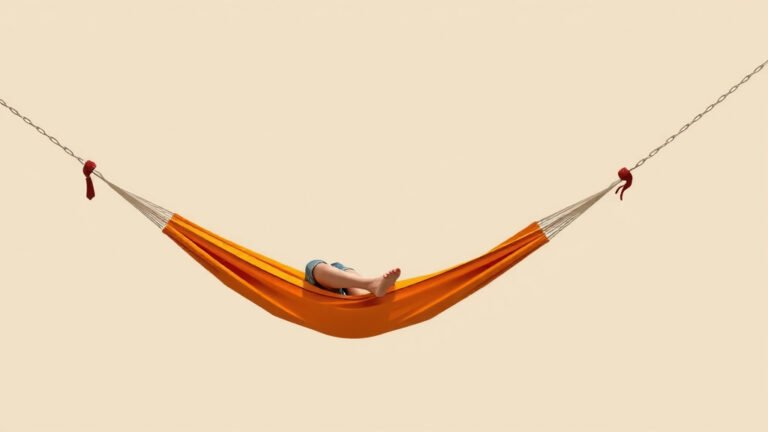

Finding the Best Hammock Angle for Ultimate Comfort
The best angle for a hammock is typically between 25 and 30 degrees. This angle allows you to lie diagonally, distributing your weight evenly. It creates a comfortable, flat surface perfect for relaxation.
Getting this angle right is key to enjoying your hammock. Too steep, and you’ll feel like you’re in a banana. Too flat, and it can feel unstable. We found that aiming for this sweet spot makes all the difference for ultimate comfort.
- The ideal hammock angle is 25-30 degrees.
- Lie diagonally for the most comfort.
- This angle creates a flatter, more stable surface.
- It helps distribute your weight evenly.
- Avoid angles that make you feel too upright or too bunched up.
Let’s walk through exactly why this angle works so well and how to achieve it for your next nap.
Finding Your Hammock’s Sweet Spot: The Perfect Angle Explained
So, you’ve got a hammock and you’re ready to chill. But before you just throw it up anywhere, let’s talk about the magic number for maximum comfort. That sweet spot we mentioned, usually between 25 and 30 degrees, isn’t just a random suggestion. It’s based on how your body wants to relax.
Think of it like this: when your hammock is at the right angle, it forms a lovely, gentle curve. This curve is what allows you to lie down in a way that feels natural and supportive. You can stretch out a bit without feeling like you’re going to slide out or be crammed into a tight space. It’s all about creating a personal little oasis of calm.
Why Does Angle Matter So Much?
The angle of your hammock directly impacts how your weight is distributed. When it’s set up correctly, your body can relax into the fabric. Your spine can find a neutral position. You’re not fighting against the material to get comfortable. It just feels *right*.
Imagine trying to sleep on a steep slide. Not very comfortable, right? Or on a slightly tilted board that feels like you might roll off. Your hammock can feel a bit like that if the angle is off. We’ve found that hitting that 25 to 30-degree mark makes a huge difference in how long you can blissfully snooze.
The Banana Effect: Too Steep
If your hammock is hung too tightly, creating a steep angle, you’ll probably end up feeling like you’re curled up in a ball. This is often called the “banana effect.” Your knees might be pulled up towards your chest, and your back can feel strained. It’s hard to truly unwind when your body is in a tight, unnatural position. This happens because the tension pulls the fabric too taut, forcing your body into a more upright, less relaxed posture.
The Slide Effect: Too Flat
On the flip side, if your hammock is hung too loosely, the angle will be too flat. This might sound comfortable at first, but it can actually make the hammock feel unstable. You might feel like you’re constantly shifting your weight to stay balanced. It can also lead to you sliding down towards the center, which isn’t ideal for long-term lounging. You want a gentle sag, not a deep dip or a taut pull.
Achieving the Ideal 25-30 Degree Angle
So, how do you get your hammock hanging just right? It’s a bit of an art, but with a little practice, you’ll be a pro. The key is to find the right balance between the suspension length (how long the ropes or straps are) and the distance between your hanging points.
Understanding Suspension and Spacing
Think of the distance between the two trees or posts you’re using as your base. The longer this distance, the more slack you’ll generally need in your suspension to achieve that 25-30 degree angle. Conversely, if your anchor points are closer together, you’ll need to shorten your suspension. It’s a balancing act.
Many hammock manufacturers provide guidelines for recommended suspension length based on their hammock size. These are great starting points. We’ve found that most standard hammocks work well with anchor points that are about 10 to 15 feet apart. This range allows for the necessary sag and angle.
The Sit Test: Your Best Friend
The easiest way to find the right angle is through a good old-fashioned “sit test.” Once you’ve hung your hammock, gently sit down in the middle. Don’t just plop in! Sit down as if you were going to relax for a while. As you settle in, observe how the hammock fabric surrounds you. Does it feel like it’s supporting your back comfortably?
You should be able to lie back and have the fabric hug your sides slightly. Your feet should be able to extend out comfortably, and you should feel relatively flat. If you feel like you’re sinking too deep or you’re too upright, adjust your suspension. This iterative process is how you dial in perfection.
Diagonal Lounging: The Secret Weapon
Here’s a pro-tip that many people miss: you don’t have to lie straight up and down in your hammock! To truly achieve that flat, comfortable surface, lie diagonally. This position allows your body to spread out more evenly across the fabric. It takes pressure off your back and shoulders. It’s the key to enjoying those long, lazy afternoons without feeling any aches.
When you lie diagonally, the hammock opens up like a comfortable bed. Your weight is distributed over a larger surface area. This prevents those pressure points that can develop when you lie straight. Many experts agree that this diagonal positioning is essential for deep relaxation (NCBI).
Factors That Can Influence Your Angle
While the 25-30 degree rule is a solid guideline, a few things can slightly alter what feels best for you. Your own body type and the specific type of hammock you own can play a role.
Hammock Material and Design
Different hammock materials behave differently. A stretchy, woven hammock might require a slightly different angle than a tightly woven nylon one. Some camping hammocks are designed to be used more flatly, while traditional Brazilian hammocks often benefit from a deeper sag. It’s worth experimenting with your specific hammock’s characteristics.
Also, consider the width of your hammock. Wider hammocks naturally offer more surface area, which can make lying diagonally even more comfortable. They tend to drape around you more like a cocoon when hung correctly. We found that experimenting with your specific gear is always a good idea.
Your Body and Personal Preference
We all come in different shapes and sizes! What feels perfect for one person might be slightly off for another. If you’re particularly tall, you might need a bit more sag. If you prefer to feel more upright, you might aim for the lower end of the angle range. The ultimate goal is your comfort, so don’t be afraid to adjust slightly based on how your body feels.
It’s always wise to listen to your body. If you’re feeling any discomfort, it’s a sign that your hammock’s angle might need a tweak. A quick adjustment can make the difference between a restless hour and hours of pure bliss. This is why the “sit test” is so highly recommended by hammock enthusiasts everywhere.
Quick Checklist for Perfect Hammock Hanging
Ready to set up your hammock for the ultimate relaxation? Keep this simple checklist in mind:
- Anchor points are 10-15 feet apart (adjust as needed for your setup).
- Suspension is adjustable to fine-tune the sag.
- Aim for a gentle curve, not too tight or too loose.
- Perform the “sit test” to gauge comfort.
- Lie diagonally for maximum flatness and support.
- Adjust based on your body and hammock type for personal perfection.

Conclusion
Finding that perfect hammock angle between 25 and 30 degrees is your ticket to ultimate relaxation. It’s all about creating a comfortable, flat surface where your body can truly unwind. Remember, avoiding the “banana effect” from too much tension and the “slide effect” from too much slack is key. By using the sit test and lying diagonally, you’ll discover your personal sweet spot.
Don’t be afraid to experiment a little! Adjusting your suspension and finding the right distance between your anchor points will make all the difference. Now, go hang your hammock, get comfortable, and enjoy some well-deserved downtime.
Frequently Asked Questions
What’s the easiest way to check if my hammock angle is correct?
The best method is the “sit test.” Gently sit in your hammock as if you were settling in to relax. See how the fabric supports your back and if you feel a comfortable, relatively flat surface. You want to feel cradled, not crammed.
Can I lie straight in my hammock instead of diagonally?
While you can lie straight, we strongly recommend lying diagonally. This position allows your body to spread out more evenly across the fabric. It significantly increases comfort and reduces pressure points for a more restful experience.
How far apart should my hammock trees or posts ideally be?
For most standard hammocks, anchor points that are 10 to 15 feet apart work well. This distance provides enough room for the necessary sag and allows you to achieve that ideal 25-30 degree angle with adjustable suspension.
What if my hammock feels too unstable or I keep sliding?
This usually means your hammock is too flat or too loose. You likely need to shorten your suspension or bring your anchor points closer together. Aim for a gentle, consistent curve that supports your weight without feeling like you’re going to slip out.
Does the type of hammock material affect the best angle?
Yes, it can! Stretchy, woven materials might feel different than tight nylon ones. Some hammocks are designed with a flatter hang in mind. It’s always a good idea to consult your hammock’s manufacturer guidelines and experiment to see what feels best for your specific material and design.