
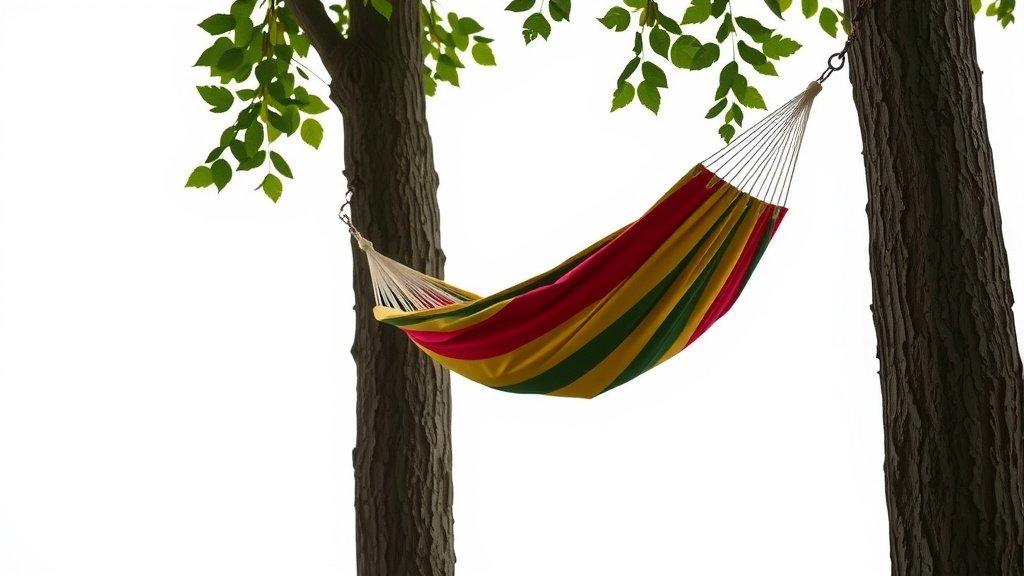
How to Hang a Hammock Between Two Trees Easily
Hanging a hammock between two trees is a fantastic way to relax outdoors. You can do it by using strong straps and a secure suspension system. This method ensures your hammock is held safely and comfortably for lazy afternoons.
Choosing the right trees and using the correct gear are key for a safe setup. Many people wonder about the best way to attach their hammock without damaging the trees. We found that following a few simple guidelines makes it easy and very secure.
- Find two sturdy trees, about 10-15 feet apart.
- Use wide hammock straps to protect the bark.
- Attach your hammock to the straps with carabiners.
- Test the hammock gently before fully sitting.
Let’s walk through exactly how to get your hammock set up between those perfect trees, step by step.
“`htmlSetting Up Your Hammock Between Two Trees
Hanging a hammock between two trees is a rewarding experience. It brings the joy of lazy afternoons and gentle swaying. You’ll want to make sure your setup is both safe and comfortable. We’ve found that a few key steps make all the difference.
Choosing the Right Trees for Hammock Hanging
Your trees are the foundation of your hammock setup. Selecting the right ones is the first and perhaps most important step. A healthy, strong tree is your best friend here.
Tree Health and Strength
You need trees that are mature and healthy. Look for trees with a thick trunk, at least 12 inches in diameter. Avoid trees that look sick, have dead branches, or show signs of rot. Research often suggests checking for a solid root system as well. You don’t want any wobbling that isn’t from your hammock’s sway.
Tree Species Considerations
Some tree species are naturally stronger than others. Hardwoods like oak, maple, or beech are excellent choices. They provide a sturdy anchor. Softer woods, or trees that are known to be brittle, might not be the best. Many camping and outdoor guides recommend avoiding young saplings altogether.
Spacing Between Trees
The distance between your trees will determine how your hammock hangs. Most standard hammocks work best with trees spaced about 10 to 15 feet apart. If your trees are too close, your hammock might hang too high or feel too bunched up. Too far apart, and you might sag too much or put too much strain on your suspension.
Essential Gear for a Secure Hammock Setup
Once you’ve picked your perfect trees, it’s time to gather your gear. You’ll need a few things to attach your hammock safely and protect the trees.
The Hammock Straps: Your Tree’s Best Friend
This is where you absolutely do not want to cut corners. Using rope directly around a tree can damage its bark and even girdle it. This can seriously harm or kill the tree over time. We found that using wide hammock straps is the best approach. These are typically 1 to 2 inches wide and made of strong nylon or polyester webbing. They distribute the weight evenly, minimizing damage to the bark.
Carabiners: The Connector
Carabiners are strong metal clips that connect your hammock to the straps. Look for climbing-rated carabiners or those specifically designed for hammocks. They need to be sturdy and able to handle significant weight. A locking carabiner adds an extra layer of security.
Adjustability is Key
Many hammock strap systems come with multiple loops. This allows you to easily adjust the height and tension of your hammock. Being able to fine-tune your setup means you can find that perfect, comfortable hang angle every time.

Step-by-Step Guide to Hanging Your Hammock
Now for the fun part! Let’s get your hammock up and ready for relaxation.
Step 1: Wrap the Straps Around the Trees
Take one hammock strap and loop it around the trunk of the first tree. Make sure it’s at a comfortable height. You’ll want it to be high enough so your hammock hangs at a good angle. Aim for about 5 to 6 feet off the ground. Thread the end of the strap through its own loop or buckle system. Pull it snug. Repeat this with the second strap on the other tree. Ensure both straps are at roughly the same height.
Step 2: Attach the Hammock to the Straps
This is where your carabiners come in. Clip one carabiner to the end loop of your hammock. Then, clip the other end of the carabiner to a loop on your hammock strap. Do this for both sides. You want your hammock to have a gentle curve, not be pulled taut like a tightrope. A slight sag is what you’re looking for. It should form a smile.
Step 3: Test Your Setup Gently
Before you fully commit your weight, give it a test. Gently pull down on the hammock. Sit on the edge and slowly lower yourself in. Listen for any creaking or straining sounds. Gradually put more weight into it. Make sure the straps are holding firm and the trees aren’t showing any signs of stress. It’s better to be safe and make adjustments now.
Achieving the Perfect Hammock Hang
Getting that ideal hang angle takes a little practice. But once you nail it, your hammock time will be pure bliss.
The 30-Degree Rule
Many hammock enthusiasts talk about the “30-degree rule.” This refers to the angle of your hammock suspension when it’s hanging. You want the straps coming off the tree to form roughly a 30-degree angle with the ground. This provides a comfortable, reclined seating position. We found this angle often prevents you from feeling like you’re sliding out.
Adjusting Sag and Tension
If your hammock feels too tight, you might need to move the straps to a lower loop on the trees or choose trees that are slightly further apart. If it sags too much, move the straps to a higher loop. Small adjustments make a big difference. Your goal is a gentle, supportive curve.
Hammock Hanging Checklist
- Choose two strong, healthy trees, 10-15 feet apart.
- Use wide hammock straps to protect the tree bark.
- Securely attach straps to trees at an even height.
- Connect your hammock to straps using sturdy carabiners.
- Test the setup gently before full use.
- Adjust for a comfortable 30-degree hang angle.
Conclusion
You’ve now learned how to create your own backyard oasis by hanging a hammock between two trees. Remember, choosing sturdy, healthy trees and using wide hammock straps are the cornerstones of a safe and enjoyable setup. Pay attention to the spacing and the ideal 30-degree hang angle for maximum comfort. With a little practice, you’ll be relaxing in your perfectly hung hammock in no time. Your next step is to gather your gear and find that perfect spot to unwind.
Frequently Asked Questions
What if my trees are too far apart for a standard hammock?
If your trees are more than 15 feet apart, you might need longer hammock suspension straps or a hammock designed for wider spacing. You can also consider using a hammock stand as an alternative if tree spacing is a consistent issue.
How do I know if a tree is strong enough to hold my hammock?
Look for a tree trunk that’s at least 12 inches in diameter and appears healthy, with no dead branches or signs of decay. Hardwood species like oak or maple are generally the strongest choices for supporting weight.
Can I use rope to hang my hammock instead of straps?
While possible, using rope is not recommended because it can damage the tree’s bark and potentially harm the tree over time. Wide hammock straps distribute weight more evenly and are much gentler on the trees.
How low should my hammock hang?
A good starting point is about 5 to 6 feet from the ground. The goal is to achieve a gentle sag that forms a “smile” when you’re in it, allowing for a comfortable, reclined position rather than a tight, flat surface.
How do I adjust the tension if my hammock is too tight or too loose?
Most hammock straps have multiple loops for adjustment. If it’s too tight, move the strap to a lower loop or consider trees slightly further apart. If it sags too much, move the strap to a higher loop or to a loop closer to the tree.