What Is A Drip Line On Your Hammock and Why You Need It
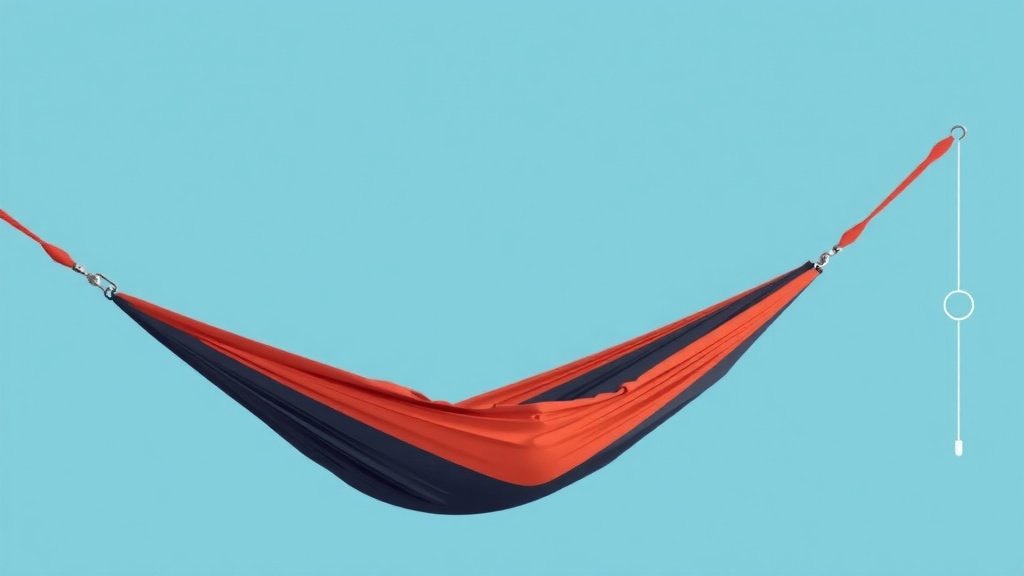
A drip line on a hammock is a simple strip of fabric attached to the bottom edge. Its main job is to prevent rainwater from running down the suspension lines and soaking your hammock. Think of it as a tiny rain gutter for your cozy outdoor spot.
This clever little addition helps keep your hammock and sleeping bag nice and dry, even during a light shower. It’s a common feature on many camping hammocks and is a smart way to extend your comfort zone outdoors. You might also hear it called a ‘water break’ or a ‘drip strip’.
- It’s a fabric strip on the hammock’s bottom edge.
- It stops rain from reaching your suspension lines.
- Keeps your hammock and gear drier.
- A simple but effective camping accessory.
We’ve researched this common hammock accessory and found it makes a big difference. Let’s look at what a drip line is and why it’s so helpful for your hammock adventures.
Understanding Your Hammock’s Drip Line
So, you’ve got a hammock, and maybe you’ve noticed a small strip of fabric hanging off the bottom edge. What is that thing, anyway? That’s your hammock’s drip line, and it plays a surprisingly important role. Its main job is to intercept water and guide it away from your hammock and its suspension system.
Think of it like a tiny awning for the bottom of your hammock. When rain falls, or dew settles, the water tends to run down the fabric. Without a drip line, that water would make its way straight to your suspension lines. Those lines can then wick moisture like a sponge, eventually transferring it to your hammock body or even your sleeping bag.
How Does a Drip Line Work?
The concept is quite simple, really. The drip line is typically a strip of waterproof or water-resistant material sewn along the lowest edge of your hammock’s body. When water runs down the main fabric, it hits this strip. Because of the material and its placement, the water is directed outwards and then downwards, “dripping” off the edge rather than continuing its journey towards your suspension.
It’s a clever bit of engineering that relies on basic physics. Water tension and gravity do most of the work. By creating an intentional “break” in the path of the water, you effectively reroute it. This keeps the fabric of your hammock drier and more comfortable to lie in. It also helps prevent your suspension lines from becoming saturated.
Why You’ll Want a Drip Line on Your Hammock
Let’s be honest, nobody likes waking up in a damp hammock. A drip line is a straightforward solution to a common problem for hammock campers. We found that even a light shower can make your hammock feel clammy and cold if the water isn’t managed. Your sleeping bag can suffer too, becoming less effective at keeping you warm when it’s wet.
The benefits are clear: a drier hammock, a drier sleeping bag, and a generally more pleasant camping experience. It’s a small feature that has a big impact on comfort. Many hammock manufacturers include them as standard, recognizing their utility. If yours doesn’t have one, it’s often possible to add one yourself.
The Science Behind Drip Lines
Understanding how a drip line functions involves a bit of practical science. It’s all about managing water flow and material properties. We researched the principles behind this simple accessory, and it boils down to preventing water migration.
Water Migration in Hammocks
Hammock fabric, even if it’s somewhat water-resistant, can still absorb moisture. When water lands on the fabric, it can spread. This spread is influenced by the fabric’s weave and any treatments it has. If the lowest point of the hammock fabric is also the point where the suspension attaches, water has a clear path to travel down the suspension line.
Suspension lines, especially those made of synthetic ropes or cords, can act like wicks. They are designed to be strong and durable, but this often means they can absorb and transport water quite effectively. This is how moisture can travel from the outside of your hammock setup to the inside where you’re trying to sleep. The drip line interrupts this wicking action before it starts.
Material Matters
The material used for a drip line is key. It needs to be something that water doesn’t easily soak into and that encourages water to bead up and run off. Many drip lines are made from coated nylon or polyester, similar to what’s used in rain jackets or tarps. These materials have a tight weave and often a DWR (Durable Water Repellent) finish.
This combination helps water bead up on the surface rather than spreading out and soaking in. The angle at which the drip line is attached also helps. It’s usually positioned so that any collected water naturally flows over the edge and away from the hammock body and suspension. We found that the effectiveness relies on both the material and the precise placement.
Drip Lines vs. Other Water Management Solutions
While a drip line is excellent for managing water running down your hammock body, it’s not the only part of your hammock setup that needs protection from the elements. Other accessories work in conjunction with a drip line.
The Role of Hammock Tarp
Your hammock tarp is your primary defense against rain. It’s the overhead shelter that keeps direct rain off your entire setup. However, even with a tarp, wind-driven rain can sometimes get under the edges. Additionally, condensation can form on the underside of the tarp, which can then drip downwards.
This is where the drip line becomes essential. Even if the tarp is mostly effective, any water that does make it past the tarp’s protection will encounter the drip line. It acts as a secondary defense, ensuring that stray drips don’t compromise your comfort. Many seasoned hammock campers consider both a tarp and a drip line essential for staying dry. Many seasoned hammock campers consider both a tarp and a drip line essential for staying dry.
Other “Water Breaks”
Sometimes, people refer to any feature that breaks water flow as a “water break.” This can include the drip line itself, but also the way a tarp is set up or even how a suspension is adjusted. For instance, the knot used to tie your suspension to a tree might be a point where water could collect and run down.
While you can’t always control every aspect of water flow, the drip line is specifically designed for the hammock body’s edge. It’s a dedicated component that addresses a particular problem. We found that focusing on dedicated solutions, like a well-designed drip line, often yields the best results. Think of it as a specialized tool for a specialized job.

Checking Your Hammock’s Drip Line
It’s a good idea to periodically check the condition of your hammock’s drip line. This ensures it’s always ready to do its job when you need it most.
- Ensure the drip line is securely attached.
- Inspect for any tears or holes in the fabric.
- Check if the water-repellent coating is still effective.
- Make sure it’s clean and free of debris.
- Confirm it hangs correctly to direct water away.
A well-maintained drip line means a more comfortable and enjoyable time outdoors. It’s a small detail that contributes greatly to your overall hammock camping experience. You’ve got this!
Conclusion
You’ve learned that a hammock drip line is a simple yet effective fabric strip designed to keep water off your hammock and suspension lines. By intercepting moisture and guiding it away, it prevents your gear from getting soaked and helps maintain a more comfortable camping experience. We found this small feature makes a big difference in preventing that unwelcome dampness.
Don’t let a little rain ruin your outdoor relaxation. Check your hammock for a drip line, and if yours is missing one, consider adding it to your setup. This easy upgrade will help you stay drier and happier on your next hammock adventure.
Frequently Asked Questions
Do I really need a drip line on my hammock?
While not strictly essential for dry, sunny weather, a drip line is highly recommended for anyone camping in areas prone to dew or rain. It significantly improves comfort by preventing water from soaking into your hammock body and suspension lines, which can make your sleeping bag wet and cold.
Can I add a drip line to my hammock if it doesn’t have one?
Yes, you absolutely can! Many DIY tutorials show how to sew a simple strip of waterproof fabric to the bottom edge of your hammock. It’s a straightforward modification that can greatly enhance your hammock’s performance in wet conditions.
How is a drip line different from a hammock tarp?
Your hammock tarp is your primary overhead shelter, protecting you from direct rain. A drip line acts as a secondary defense, specifically designed to catch water that might run down the hammock fabric itself or slip under the edges of your tarp.
What’s the best material for a hammock drip line?
The best materials are typically lightweight, water-resistant, or waterproof fabrics like coated nylon or polyester. These materials prevent water from soaking in and encourage it to bead up and run off, which is exactly what you want a drip line to do.
Will a drip line prevent all water from getting into my hammock?
A drip line is very effective at stopping water running down the fabric, but it won’t protect you from heavy wind-driven rain that blows directly onto your hammock or leaks from your tarp. It works best in conjunction with a properly pitched tarp for full protection.