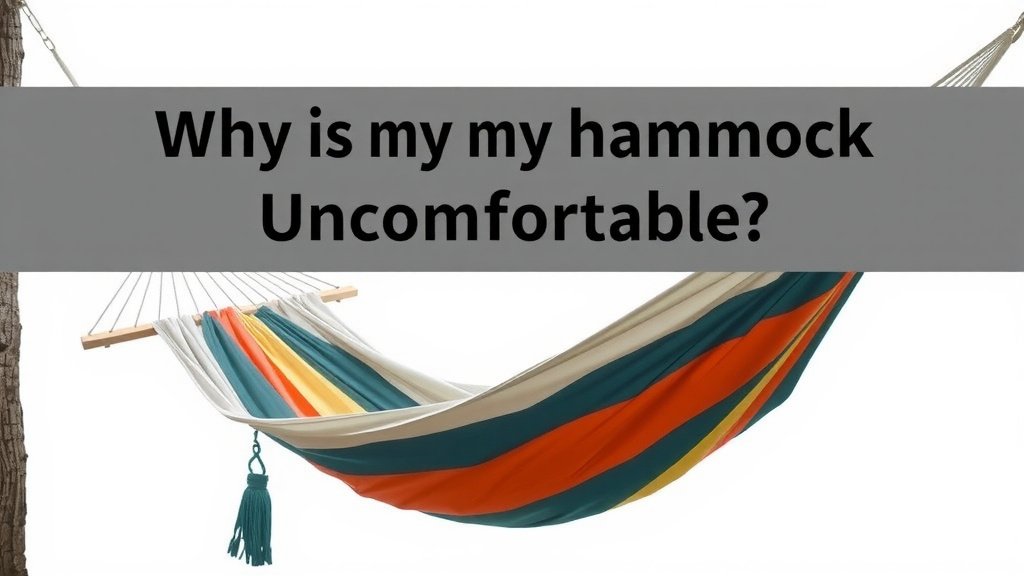
Why Is My Hammock Uncomfortable? Common Issues Solved
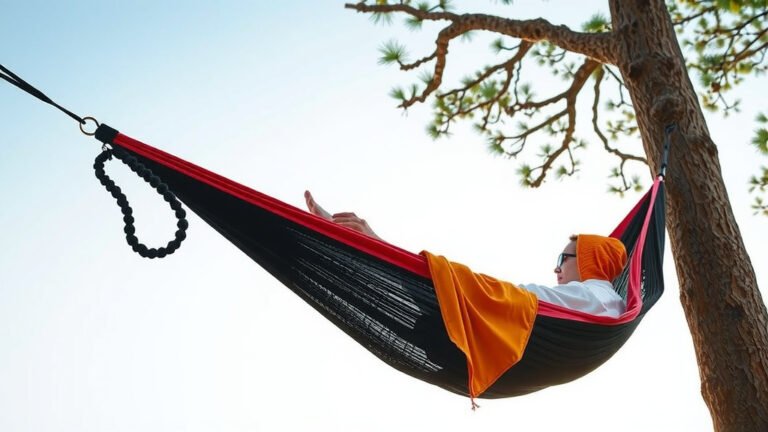
Your hammock might be uncomfortable because it’s not hung correctly. The best hang angle is often between 10-30 degrees. This creates a comfy, taco-like shape. You also might be using the wrong type of hammock for your needs. The material and size play a big role in comfort.
Many people find hammocks incredibly relaxing, so don’t give up hope! Uncomfortable hammocks usually stem from a few common pitfalls. These include improper setup, wrong hammock type, or even the ground beneath you. Getting these factors right makes all the difference for ultimate relaxation.
- Improper hanging angle is a major culprit.
- Hammock material and size matter a lot.
- The surrounding environment affects your comfort.
- Check your suspension system for snugness.
Let’s break down why your hammock might be causing you to fidget instead of snooze, and what you can do about it right now.
Troubleshooting Your Hammock Hang for Maximum Comfort
So, your hammock isn’t the cloud-like relaxation station you dreamed of. It might feel more like a stiff board or a lumpy trap. Don’t worry, you’re not alone! Most hammock discomforts come down to a few simple adjustments. We’re here to help you dial in that perfect hang so you can finally kick back and enjoy.
The Angle of Attack: Finding Your Sweet Spot
The biggest culprit behind a not-so-great hammock experience is often the way it’s hung. Too tight, and it feels like a drum. Too loose, and you feel like you’re sliding into a banana split. The goal is a gentle curve.
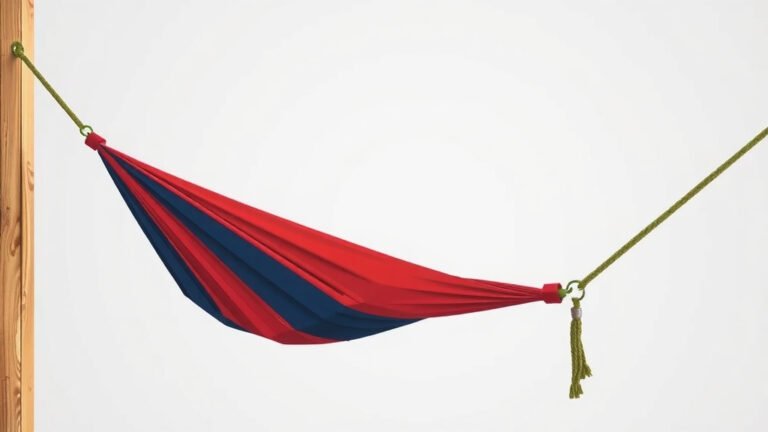
Experts and seasoned hammock users often point to a specific range for the hang angle. Aim for a setup where the suspension lines (the ropes or straps attaching your hammock to trees or posts) form an angle of about 10 to 30 degrees with the ground. This creates a nice, deep “seated” feel.
What Happens at the Wrong Angle?
If your hammock is too taut, the fabric stretches very little. This gives you that stiff, board-like sensation. You’ll find yourself perched on top of it, rather than sinking into it. It also makes it harder to lie flat on your back, which is how many people prefer to relax in a hammock.
On the flip side, a very loose hang can be just as awkward. You might end up sinking too low, feeling like you’re practically on the ground. Plus, it can be harder to get in and out without feeling like you’re going to tip over. Finding that sweet spot is key.
Suspension Systems: Straps, Ropes, and How Tight is Too Tight
The suspension system is your direct link between the hammock and its anchor points. The material and how you use it really matter for comfort and safety.
Choosing the Right Suspension
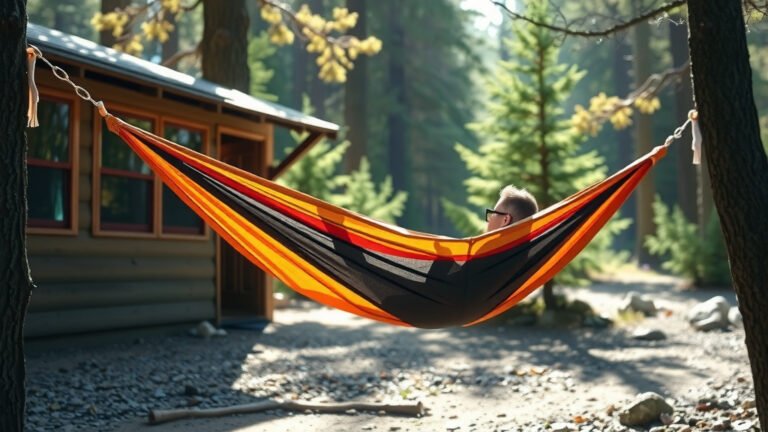
You’ve got a few options here. Tree straps are fantastic because they protect the trees and distribute weight evenly. Rope is also common, but make sure it’s strong and won’t cut into the tree bark.
We found that using wide tree straps (at least 1 inch wide) is generally better for protecting trees and offering a more secure hang. Narrow ropes or cords can dig into bark, which isn’t great for the tree’s health.
Achieving the Perfect Tension
Getting the tension right is where that angle comes into play. You want the hammock to have a bit of “give.” Think of it like a comfortable armchair – it conforms to your body. A hammock should do the same. If you can sit in it and the bottom sags down nicely, you’re likely on the right track.
A good test is to sit in your hammock. If you can easily get in and out without feeling like you’re going to tip, and if the fabric cradles you, that tension is probably good. You should feel supported, not stretched. Many hammock manufacturers recommend a sag of about 30 degrees when you’re sitting in it.
Beyond the Hang: Hammock Material and Size Matter
It’s not just about how you hang it; what your hammock is made of and how big it is plays a huge role in how it feels against your skin and how it supports you.
Fabric Choices and Their Feel
Hammocks come in a surprising variety of materials. Each offers a different sleeping or lounging experience.
- Cotton/Canvas: These are often very soft and comfortable, especially for lounging. However, they can absorb moisture and take a while to dry. They also tend to stretch out over time.
- Nylon/Parachute Nylon: This is a popular choice for many outdoor hammocks. It’s lightweight, quick-drying, and durable. It can sometimes feel a bit slick, and some people find it less breathable than cotton.
- Polyester: Similar to nylon, polyester is also durable and quick-drying. It often holds up better to UV rays than nylon.
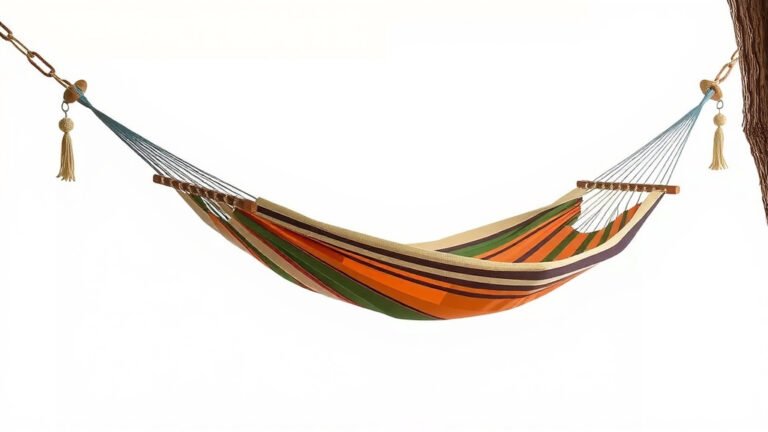
- Spreader Bar Hammocks: These have wooden or metal bars at each end to keep the fabric spread out flat. They offer a more bed-like experience but can be less stable. If you’re looking for a more traditional lounging hammock, this might be your pick.
Size Does Make a Difference
Hammocks come in various widths and lengths. A hammock that’s too narrow can feel restrictive. You might feel like you’re constantly fighting to stay centered.
For truly comfortable lounging or sleeping, we found that wider hammocks are generally preferred. A wider hammock allows you to lie down more easily on your back or side. It gives you more room to adjust your position. Many double hammocks are designed for two people, but they offer extra space for a single person to spread out luxuriously.

Setting the Scene: Your Hammock’s Environment
Sometimes, the issue isn’t the hammock itself, but what’s going on around it. The ground beneath you, or even the bugs, can impact your overall comfort.
Ground Support and Stability
If your hammock is hung very low, the ground beneath can become a factor. If you’re lying in it and feel too close to rocks or uneven terrain, it can be unsettling. Consider using a hammock stand if trees aren’t available or if you want a controlled environment.
A hammock stand offers a stable setup anywhere. It removes the guesswork of finding suitable anchor points and ensures a consistent hang every time. This can be a great solution if you’re experiencing discomfort due to an unstable or uneven setup.
The Pesky Critters and Weather
Let’s be honest, bugs can ruin even the most perfect afternoon. Mosquitoes, flies, or other biting insects can make you want to retreat indoors, no matter how comfortable your hammock is. Consider using a hammock bug net.
Similarly, harsh sun or a sudden sprinkle can also deter relaxation. Hammock shelters or tarps can provide protection from the elements. These accessories help create a cozy micro-environment, letting you truly unwind without worry.
Quick Hammock Comfort Checklist:
- Check your hang angle; aim for 10-30 degrees.
- Ensure your suspension straps are wide and secure.
- Test the hammock’s sag when you sit in it.
- Consider the fabric type for your desired feel.
- Evaluate if your hammock is wide enough for you.
- Think about bug nets or tarps for added comfort.
Conclusion
Your hammock discomfort is likely not a lost cause. We’ve seen how small adjustments can make a huge difference. Getting your hang angle right, choosing the best suspension system, and selecting the perfect hammock material and size are key. Don’t forget to consider your environment, too. Ready to finally relax? Your next step is to grab your hammock and go outside. Make those few easy adjustments we discussed and sink into true comfort.
Frequently Asked Questions
How do I know if my hammock is too tight or too loose?
You’ll feel the difference immediately. A hammock that’s too tight feels like a stiff board, making it hard to lie flat. If it’s too loose, you’ll sink too low, feeling like you’re on the ground. Aim for a gentle, supportive curve that cradles you.
Can the type of tree straps I use affect comfort?
Yes, absolutely. Wide tree straps distribute weight better and are gentler on trees. Narrow ropes or cords can dig in, creating discomfort for both you and the tree. Wider straps usually provide a more stable and comfortable hang.
Is there a specific hammock size that’s best for comfort?
Wider hammocks tend to be more comfortable. They give you more room to adjust your position and lie flat on your back or side. If you feel restricted, a wider hammock could be your solution.
What if I don’t have trees to hang my hammock?
If trees aren’t an option, a hammock stand is your best bet. It provides a stable and consistent hang anywhere you want it. This removes the guesswork of finding anchor points and ensures a reliable setup.
How can I make my hammock more comfortable in buggy areas?
Bugs can definitely ruin a good hammock session. A hammock bug net is an excellent accessory to keep those pests away. This creates a protected, cozy space so you can truly relax outdoors.