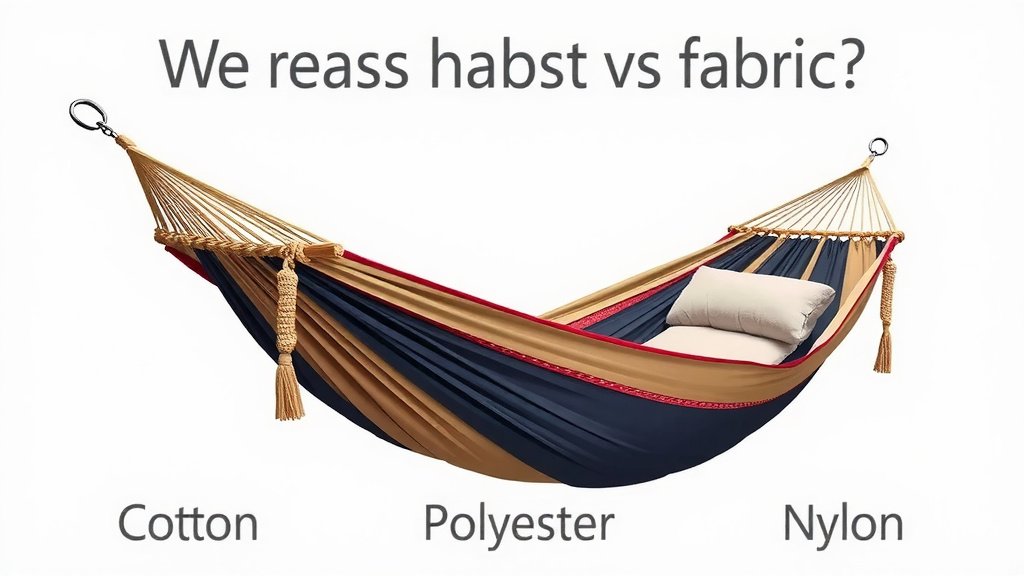
Best Hammock Fabric: Cotton vs. Polyester vs. Nylon
When choosing the best fabric for a hammock, you’ll want to consider durability, comfort, and how well it handles the elements. For many, a sturdy, breathable cotton or a quick-drying nylon blend offers the perfect balance. These materials tend to be favorites for good reason.
Different fabrics offer unique advantages for your lounging experience. Some fabrics are exceptionally lightweight for travel, while others provide a more robust feel for backyard relaxation. Understanding these differences helps you find your perfect hammock companion.
- Cotton: Soft, breathable, and natural feel. Great for dry climates.
- Nylon/Polyester: Durable, water-resistant, and quick-drying. Ideal for outdoor use.
- Canvas: Strong and supportive, but can be heavier.
- Mesh: Very breathable and lightweight, but less cozy.
Let’s dive into the details of each fabric type so you can pick the one that’s just right for your ultimate relaxation station.
Choosing the Right Hammock Fabric for You
So, you’re ready to kick back and relax, but your hammock fabric choice is key! We’ve looked into what makes a hammock fabric great. Your ultimate comfort depends on the material. Let’s break down your options.
Cotton: The Natural Choice for Comfort
Cotton is a popular choice for a reason. It feels wonderfully soft and breathable against your skin. If you dream of sinking into a cloud, cotton might be your best friend. It offers a lovely, natural feel that’s hard to beat for pure lounging pleasure.
Pros of Cotton Hammocks
The biggest perk of cotton is its comfort. It’s a natural fiber that breathes well, which is fantastic for warm, dry days. You won’t feel sticky or overheated. Think of it as your favorite comfy t-shirt, but for relaxing outdoors. It’s also relatively inexpensive, making it accessible for many.
Cons of Cotton Hammocks
Now, cotton isn’t perfect for every situation. Its main weakness is its reaction to moisture. Cotton tends to absorb water and can take a long time to dry. This makes it prone to mold and mildew if left damp. It’s also less durable than synthetic options and can fade in direct sunlight over time. We found that cotton is best suited for dry climates or for hammocks that can be easily stored indoors.
Synthetic Fabrics: Durability and Quick Drying
Synthetic fabrics like nylon and polyester are workhorses. They are designed to withstand the elements. If you plan to leave your hammock outdoors often, these are strong contenders. They offer a great balance of performance and **longevity**.
Nylon: Lightweight and Water-Resistant
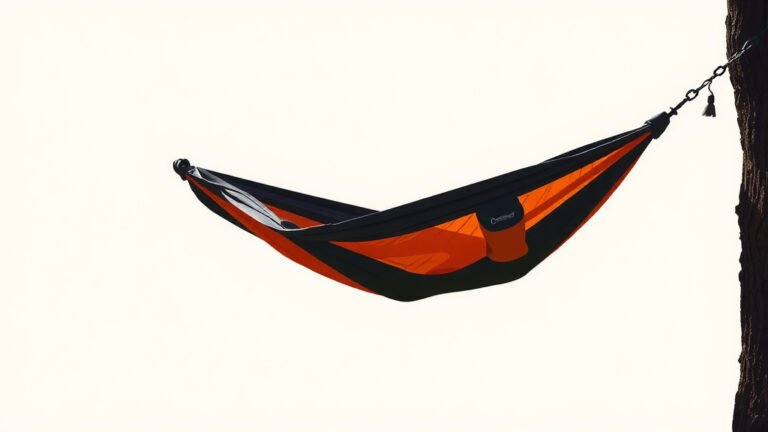
Nylon is often used in parachute hammocks. These are incredibly lightweight and compact, making them perfect for camping or backpacking. Nylon fabrics are known for their strength and resistance to mildew. They also dry much faster than cotton. You can often shake them off and be ready to relax again in no time!
Nylon’s Advantages
We found that nylon’s **water resistance** is a major plus. It doesn’t soak up rain like cotton. Its **durability** means it can handle a good amount of weight and wear. Plus, its lightweight nature makes it super easy to pack and travel with. For the adventurer, this is often the go-to material.
Nylon’s Drawbacks
On the flip side, some nylon fabrics can feel a bit slippery. They might not offer the same cozy, natural feel as cotton. Direct sunlight can also degrade nylon over very long periods, though many are treated for UV resistance. Still, for pure utility and travel, nylon is tough to beat.
Polyester: The Versatile Outdoor Fabric
Polyester is another excellent synthetic option. It’s often used in outdoor furniture for its ability to resist fading and stretching. Polyester hammocks are generally quite durable and weather-resistant. They strike a good balance between comfort and practicality.
Why Polyester Shines
Polyester is known for its excellent UV resistance. This means it holds up well to sun exposure without fading or weakening as quickly as some other synthetics. It’s also naturally resistant to mold and mildew. Polyester dries relatively quickly, making it suitable for patios and backyards that might get occasional splashes or dew. It offers a good, stable hang.
Things to Consider with Polyester
While durable, polyester can sometimes feel a bit stiffer than cotton or high-end nylon. The weave of the fabric can greatly affect its softness. Some polyester hammocks can also be a bit heavier than their pure nylon counterparts. Still, for consistent outdoor use, polyester is a very reliable choice.
Canvas: The Strong and Steady Option
Canvas is a heavy-duty cotton fabric, often treated for water resistance. It’s known for its incredible **strength and support**. If you need a hammock that feels really solid and can hold a lot of weight, canvas is worth considering. It often has a classic, sturdy look.
Canvas Benefits
The primary advantage of canvas is its robustness. It’s a thick, strong material that offers excellent support. Many canvas hammocks are designed for longevity and can withstand significant use. It has a traditional look that many people find appealing for a garden or porch setting.
Canvas Downsides
Canvas can be quite heavy. This makes it less ideal for portability or travel. Because it’s often cotton-based, it can also absorb moisture and take longer to dry than synthetic options, potentially leading to mildew if not cared for properly. It might also feel a bit stiff initially.

Mesh: For Ultimate Breathability
Mesh hammocks are all about airflow. They are constructed from nets or woven materials with plenty of holes. This design makes them incredibly breathable and lightweight. If you’re in a very hot and humid climate, a mesh hammock can offer welcome relief.
Mesh’s Airy Advantages
The main selling point here is ventilation. The air can pass right through, keeping you cool. They dry extremely quickly, which is a huge plus. Mesh hammocks are also typically very lightweight and easy to pack, though perhaps not as compact as some nylon parachute styles.
Mesh’s Comfort Trade-offs
The breathability comes with a compromise in comfort. Mesh hammocks can sometimes leave pressure points on your body. You might feel the “netting” effect more than you’d like. They also offer less privacy and a less enclosed, cozy feeling compared to solid fabric hammocks. Some find them a bit too open for ultimate relaxation.
Your Hammock Fabric Checklist
To help you decide, here’s a quick checklist to consider:
- Do you want a soft, natural feel? (Cotton might be best.)
- Will your hammock be exposed to the elements often? (Nylon or polyester are good choices.)
- Is portability a major concern for camping or travel? (Nylon is often preferred.)
- Do you live in a very hot and humid climate? (Mesh or highly breathable synthetics could be ideal.)
- How important is quick drying time after rain or dew? (Synthetics or mesh excel here.)
- Are you looking for maximum durability and support? (Canvas or heavy-duty synthetics.)
Conclusion
Choosing the right hammock fabric is all about matching your lifestyle. We’ve seen how cotton offers unparalleled softness for dry days. Synthetics like nylon and polyester provide durability and quick drying for outdoor adventures. Canvas delivers robust support, while mesh excels in keeping you cool in humid heat. Consider your primary use—backyard relaxation, camping trips, or frequent travel. Once you weigh these factors, you’ll be well on your way to finding the perfect fabric for your ultimate relaxation spot. Now, go ahead and pick the material that promises your best lounging experience!
Frequently Asked Questions
Will a hammock fabric choice affect how long my hammock lasts?
Yes, definitely. Synthetic fabrics like nylon and polyester are generally more durable and resistant to UV rays and moisture than cotton. This means they tend to last longer when exposed to the elements regularly. Canvas also offers great strength, but like cotton, its longevity can be impacted by prolonged dampness if not cared for properly.
Is cotton really bad for hammocks in humid climates?
Cotton is best suited for drier environments. In humid climates, cotton absorbs moisture easily and takes a very long time to dry. This can lead to mold and mildew growth, weakening the fabric and potentially making it unsafe. It’s best to opt for synthetic or mesh options if you live in a consistently damp or humid area.
Can I leave a nylon hammock outside all the time?
Nylon hammocks are excellent for outdoor use due to their water resistance and quick-drying properties. While they are durable, prolonged, intense sun exposure can eventually degrade nylon. Many modern nylon hammocks are treated for UV resistance, but bringing your hammock indoors when not in use can still extend its lifespan considerably.
Which fabric is the most comfortable for sensitive skin?
For many, cotton offers the softest and most natural feel against the skin, making it a top choice for comfort. However, if you’re prone to sweating or live in a warmer climate, a high-quality, tightly woven nylon or polyester might feel less sticky. Mesh can sometimes cause pressure points, so it’s a trade-off between breathability and plushness.
What’s the difference between a canvas hammock and a cotton hammock?
Canvas is a type of fabric, often made from cotton, but it’s typically much heavier and thicker than standard cotton fabric used in clothing or lighter hammocks. This density gives canvas hammocks exceptional strength and support. While both are natural fibers and can absorb moisture, canvas is often treated for some water resistance, but its weight makes it less portable.