
How to Get Into a Spreader Bar Hammock Easily: Step Guide
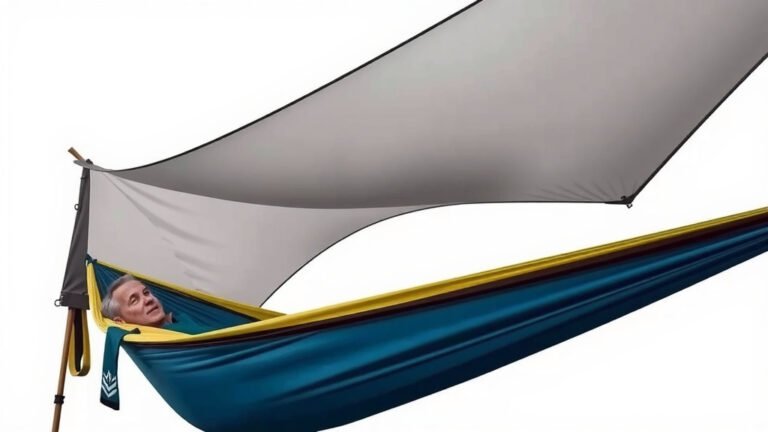
Getting into a spreader bar hammock is easiest if you sit down first, then swing your legs in and lean back gently. Start by standing at the center, grab the bar for balance, and lower yourself slowly onto the fabric. That solid wooden bar on each end is there to help you, not trip you.
The tricky part? That bar can feel a little wobbly the first few times you climb in. We researched tips from experienced hammock campers and found that most falls happen when people rush or enter from the side. Many experts say entering from the center and keeping one hand on the bar is the safest move. Once you get the hang of it, you’ll slide right in like a pro. Getting out is its own skill — our guide to in and out of a hammock walks through graceful exits.
Quick recap:
- Approach the hammock from the center, not the side
- Grab the spreader bar with one hand for balance
- Sit down first, then swing your legs in
- Lean back slowly and let the hammock do the work
- Take your time the first few tries — no need to show off
Below, we walk you through each step in detail, plus a few common mistakes to avoid. Let’s get you comfortably lounging, minus the face-plant.
Getting Into a Spreader Bar Hammock, Step by Step
Now let’s break it down. Each step below builds on the last, so read them in order the first time. After a few tries, your body will just know what to do.
Step 1: Check Your Setup Before You Climb
Before you touch the hammock, take ten seconds to inspect it. Give the fabric a firm tug and check both spreaders for cracks or loose hardware. Look at your suspension ropes and make sure the hammock hangs at a comfy height, roughly chair level.
Why does this matter? Because a hammock that’s strung too high turns every entry into a mini stunt. We found that most beginners hang theirs too high out of fear it will sag. A little sag is actually good — it lowers your center of gravity and makes getting in much easier.
Step 2: Approach From the Center and Grab On
Walk to the middle of the hammock, facing it head-on. Stand so the fabric is directly behind your legs, like you’re about to sit in a chair. Then reach out and take hold of the spreader bar with one hand.
Think of the bar like a doorframe you’d grab while stepping into a bathtub. It’s your anchor point. It steadies you while the floor — in this case, the fabric — shifts a little under your weight.
Where Your Hands Should Go
Grip the bar at the center, not out near the edges. Holding the middle keeps the hammock balanced on both sides. Grab too far to one side and you’ll tilt the whole thing like a seesaw, which is a fast way to meet the grass.
Keep that grip until you’re fully seated. Many experts say maintaining one point of contact is the single smartest habit for new hammock users.
Step 3: Sit Down, Then Swing Your Legs In
Here’s the moment of truth — and it’s way less scary than it looks. Lower yourself like you’re sitting on a stool. The fabric will catch you. It might dip lower than you expect, and that’s normal.
Once you’re seated, lift both legs in together and pivot them onto the fabric. Swinging one leg at a time works too, but both at once keeps you centered. Your weight should now be mostly over the middle of the hammock.
Sit up straight for a beat. Feel the bar in your hand. Feel the fabric holding you. You’re halfway there, and you haven’t even leaned back yet.
Step 4: Lean Back and Let It Hold You
Now the fun part. Lean back slowly, a few inches at a time. Release your grip on the bar once your body settles. The hammock will cradle you, and your feet will naturally drift up and toward one end.
Many first-timers fight this motion by tensing up. Don’t. A spreader bar hammock stays flat and open, so it behaves more like a lounge chair than a cocoon. Trust it. Adjust your hips and shoulders until you find your sweet spot, then exhale. You did it.
What Makes Spreader Bar Hammocks Different
So why does this style trip people up when a regular hammock doesn’t? The answer is the bar itself. It keeps the bed flat and open at all times, which changes how it moves when you climb in. Here’s a quick comparison:
| Feature | Spreader Bar Hammock | Traditional (No Bar) Hammock |
|---|---|---|
| Shape when empty | Stays flat and open | Closes into a narrow slit |
| Getting in | Sit like a chair, then lean back | Sit and spin legs over the edge |
| Stability during entry | Bar wobbles side to side at first | Fabric wraps and steadies you |
| Learning curve | Two or three tries for most people | Usually feels natural right away |
In short, the bar trades a little entry wobble for a flat, tangle-free lounging surface. Once you’re in, most people agree it’s worth it.
Mistakes That Send People Tumbling
We researched the most common wipeouts, and they fall into two predictable buckets. Dodge these and you’ll skip the bruised tailbone phase entirely.
Entering From the Side
The number one mistake is approaching the hammock sideways and trying to swing both legs over the edge like mounting a horse. That tilt loads one end of the bar and can flip the whole setup. Always face the center head-on.
It feels odd at first, like sitting down on air. But the fabric is directly behind you, ready to catch you. Trust the process.
Leaning Back Too Fast
The second mistake is flopping back like you’re diving onto a couch. A fast lean transfers your weight before the hammock settles, and off you go. Move in slow motion instead, and the fabric has time to support you.
Speed is the enemy. Patience is your seatbelt.

Extra Tips and Your Pre-Climb Checklist
Some folks need a little more support getting in and out, and that’s completely fine. A few small adjustments make a big difference.
If Balance Is a Challenge
If you have concerns about balance or mobility, don’t skip hammocks — just take precautions. Falls are a leading cause of injury for older adults, according to the CDC, so a bit of planning goes a long way.
- Have a friend steady the bar while you sit down
- Hang the hammock lower, closer to seated height
- Place a sturdy chair beside it for a halfway step
- Practice while someone spots you the first few times
- Choose a spot with soft ground, like grass, under the hammock
There’s no prize for getting in unassisted. There’s only the nap at the finish line.
Your Pre-Climb Checklist
Run through this list before every entry until it becomes second nature. It takes less than thirty seconds.
- Hammock hangs at chair height or slightly lower
- Bar and ropes inspected — no cracks, no frays
- Ground below is clear of rocks, sticks, and furniture
- Center of the hammock lined up in front of you
- One hand gripping the middle of the bar
- Pockets emptied of keys and phones that could poke or drop
That last one? We mention it because someone always puts a phone in the fabric and watches it vanish into the grass. Don’t be that someone.
Conclusion
Getting into a spreader bar hammock comes down to three habits: approach from the center, keep one hand on the bar, and move slowly. Sit down first like you would on a stool, swing your legs in, then lean back a few inches at a time. That’s it. Most people nail it by their third try, and the wobble you feel on attempt one disappears fast. We found the biggest wipeouts come from rushing or entering sideways, so skip both. Now grab your hammock, hang it a little lower than feels necessary, and practice your entry this weekend. Your future napping self will thank you.
Frequently Asked Questions
Should I get in a spreader bar hammock feet first or butt first?
Butt first, every time. Lower yourself onto the fabric like you’re sitting on a stool, then bring your legs up and pivot them onto the bed. Feet-first entries put all your weight on one end of the bar and raise your odds of tipping.
Why does my spreader bar hammock wobble when I get in?
The bar pivots on its suspension points, so it shifts side to side until your weight settles in the middle. That wobble is normal and fades once you’re fully seated and centered. Keep one hand on the bar during entry and it’ll steady itself.
Can I get into a spreader bar hammock without help?
Yes, most people can after a couple of practice runs. Hang the hammock at chair height or lower, face the center head-on, and sit down slowly with one hand on the bar. If balance is a concern, keep a sturdy chair nearby as a halfway step.
How low should I hang a spreader bar hammock for easy entry?
Aim for roughly chair height, around 18 inches from the ground to the top of the fabric. A little sag is your friend because it drops your center of gravity and shortens the distance you lower yourself. Higher isn’t safer — it just makes entry harder. Our guide to how high to hang a hammock explains the 18-inch rule in more detail.
Is a spreader bar hammock harder to get out of than get into?
It’s usually easier. Reverse the process: sit up, plant your feet on the ground directly under you, and push off gently with one hand still on the bar. Because the bed stays flat and open, you won’t have to unwrap yourself like you might in a traditional hammock.