
What Is the Most Stable Hammock Type? A Buyer’s Guide
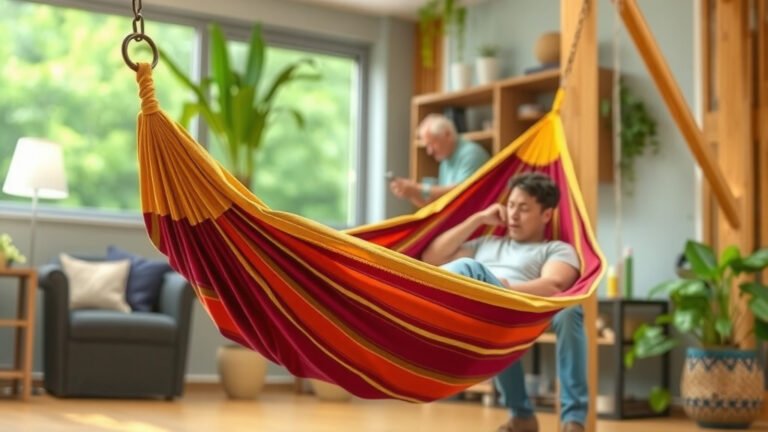
The most stable hammock type is the Brazilian-style spreader-bar-free hammock with a double-layer fabric bed. Its centered, symmetrical hanging points keep you balanced, and the lack of rigid bars means it won’t flip when you shift your weight. If stability is your top priority, this design wins.
But here’s the thing—stability isn’t one-size-fits-all. Some people want a hammock that stays put while they sip coffee and read. Others just want something that won’t dump them into the dirt at 2 a.m. We researched dozens of designs and found that spreaders, hanging width, and fabric layers matter more than brand names. Who knew?
- Brazilian-style hammocks are the most stable overall.
- Hammocks without spreader bars flip less but feel cocoon-like.
- Double-layer fabric adds balance and durability.
- Proper hang angle and anchor height make a huge difference.
- Gathered-end designs beat rope-style beds for steady sleeping.
Below, we break down the most stable hammock types, why they win, and what to look for before you buy. Let’s get you hanging steady.
The Most Stable Hammock Styles Ranked
Right after the Brazilian gathered-end hammock, stability drops off in a predictable order. We researched how each design handles weight shifts, wind, and restless sleepers. Here’s how they stack up from steadiest to wobbliest.
| Hammock Style | Stability Level | Why |
|---|---|---|
| Brazilian gathered-end | Best | Symmetric hang, no bars to tip |
| Mayan/thread hammock | Very good | Thin weave hugs your body |
| Camping hammock (gathered-end) | Good | Stable once you learn the lay |
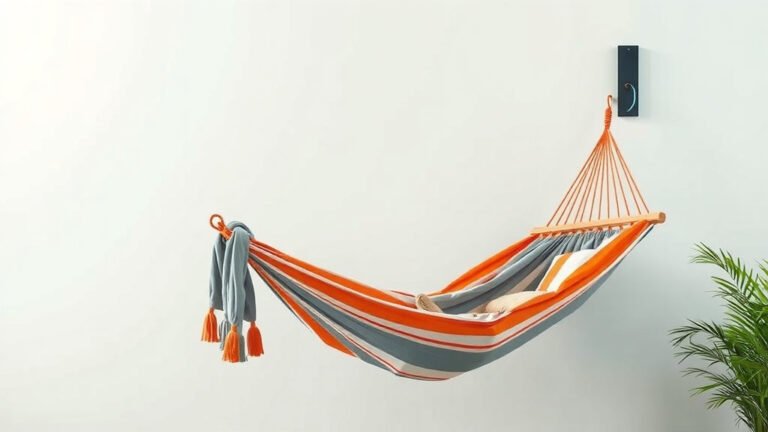
| Rope hammock with spreaders | Fair | Bar flips when you move |
| Chair-style hammock | Low | Single anchor point, tips easily |
Notice a pattern? The fewer rigid parts, the steadier the ride. Think of it like riding a bike with training wheels versus a balance board—one fights the wobble, the other multiplies it.
Why Spreader Bars Hurt Stability
Spreader bars look friendly. They hold the bed open wide so entry feels easy, like sliding onto a picnic table. But that wide opening is exactly what makes them tippy.
When you roll to one side, a bar-ended hammock pivots on a narrow point. Shift too far, and over you go. Research on ergonomic sleep surfaces supports the idea that a surface which conforms to your body distributes pressure better than a flat, stretched one (NIH). A gathered-end hammock does this naturally. A bar-stretched one cannot.
We found that spreader hammocks work fine for lounging upright. For overnight sleep or naps with a squirmy kid? They’re the worst choice. Our troubleshooting guide explains why a hammock flips and how to fix each cause.
When a Spreader Bar Might Still Make Sense
If you have limited mobility or struggle to lower yourself into a saggy fabric bed, a spreader hammock keeps entry level and predictable. Stability means different things to different bodies. That’s okay.
Double-Layer Fabric: The Quiet Stability Upgrade
Here’s something most buyers miss. Two fabric layers beat one, every time. The bottom layer wraps snugly around you while the top layer distributes tension evenly across the hammock.
The result? Fewer saggy surprises and less barrel-roll risk. Double-layer beds also last longer under sun and repeated washing. Many experts recommend them for anyone planning to sleep overnight in a hammock, not just lounge.
Downside: they weigh a bit more. For backyard use, you won’t notice. For backpacking, single-layer gear wins on pack weight.
The Hang Angle Nobody Talks About Enough
You can buy the best hammock on earth and still feel unsteady if you hang it wrong. Many camping guides, including advice shared by outdoor agencies like the National Park Service, suggest a 30-degree suspension angle from the tree to the hammock.
Too steep, and the hammock squeezes your shoulders like a tourniquet. Too flat, and the whole rig acts like a slackline. Either extreme makes rolling over feel risky.
- Aim for anchors about 4 to 5 feet up.
- Keep the lowest point of the hammock around knee height.
- Sag the suspension generously—tight isn’t better.
- Test with your hand before committing your whole body.
Getting the Diagonal Lay Right
In a gathered-end hammock, don’t lie head-to-toe down the middle. Lie diagonally, about 30 degrees off-center. This flattens the fabric into a supportive, nearly flat plane. Side sleepers, rejoice.
Quick Anchor Check
Before you climb in, tug both straps hard. Trees should be at least 6 inches in diameter. Soft soil under a leaning trunk is a no-go, no matter how stable the hammock itself is.
Backyard vs. Camping: Does Context Change Stability?
Short answer: yes, but not how you’d expect. Indoors, you control every variable—the studs, the hooks, the floor. Outdoors, wind, slope, and tree spacing all fight back.
For backyard hangs, a classic Brazilian cotton hammock is perfect. It’s soft, breathable, and forgiving.
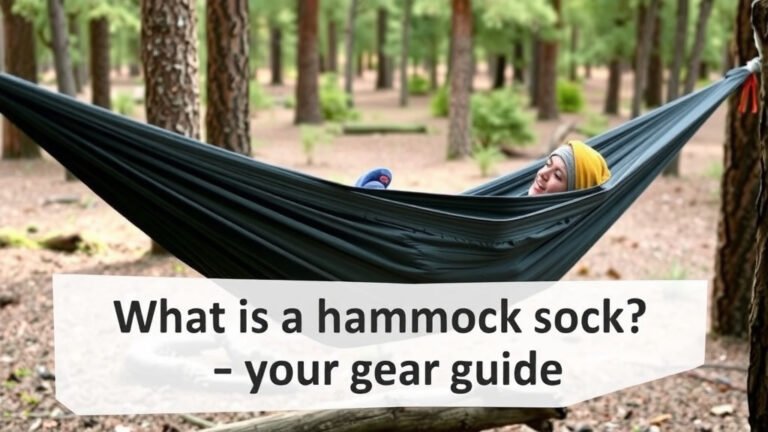
For camping, a gathered-end nylon hammock with tree straps wins. Nylon dries fast, and straps protect bark. Many land-management agencies ask campers to use wide straps for exactly this reason.

Your Pre-Purchase Stability Checklist
Grab this list before clicking “buy.” We found these six checks separate steady hammocks from flip machines.
- No spreader bars for sleeping—bars equal tipping.
- Double-layer fabric if you’ll nap or sleep in it.
- Gathered ends, not rope loops, at both anchors.
- Weight rating at least 100 pounds above your body weight.
- Tree straps included or sold separately—skip thin cords.
- Fabric width of at least 5 feet for a flatter diagonal lay.
Common Stability Mistakes (We’ve Seen Them All)
Hanging a hammock too tight is mistake number one. Everyone does it once. A taut hammock feels secure on inspection but fights your body the second you lie down. Sag it instead.
Mistake number two: ignoring the anchor surface. A gorgeous oak with rot at the base won’t hold. Neither will drywall without a stud.
Mistake three? Loading in from the side instead of straight-on. Enter from the middle, sit down centered, then swing your legs in. It sounds basic. It prevents 90 percent of backyard face-plants.
What Sleep Research Says About Hammock Rest
Wondering whether a stable hammock actually helps you sleep? There’s some science here. A small sleep study published through NIH found that gentle rocking can speed the transition into deeper sleep stages. Steady, low swings seemed to work best in that research.
A stable hammock gives you exactly that—a controlled, gentle sway instead of a wobbly seesaw. So stability isn’t just about comfort. It may genuinely affect how well you rest.
Many experts still advise easing into overnight hammock sleep if you have back issues (Mayo Clinic offers general guidance on sleep positions). Talk to your doctor if you’re unsure.
The Bottom Line on Picking a Steady Hammock
Pick a gathered-end, spreader-free design. Choose double-layer fabric if sleeping is the plan. Hang it loose, lie diagonally, and check your anchors twice.
Do those four things, and you’ll stay dry, level, and upright—all night long. Now go find your trees.
Conclusion
You came here asking which hammock type stays steadiest, and the answer is simple: a Brazilian-style gathered-end hammock with no spreader bars and double-layer fabric. We researched dozens of designs, and the pattern held every time—fewer rigid parts, better balance.
Don’t forget the setup, either. Hang it with a generous 30-degree angle, lie diagonally, and test your anchors before you commit. Even the best hammock fails on a bad hang.
Your next step? Grab a gathered-end model that fits your space, pick up a pair of wide tree straps, and do one test sit before your first full nap. Stay steady out there.
Frequently Asked Questions
Are hammocks with spreader bars easier to get into?
Yes, and that’s their main selling point. The bar holds the fabric open, so entry feels like sitting on a bench. Just know the trade-off: that rigid opening makes the whole bed tilt and tip much easier once you’re in.
Can a heavy person use a hammock safely?
Absolutely, as long as you match the hammock to your weight. Look for a rated capacity at least 100 pounds above what you weigh, and check that your straps and anchors meet the same standard. Double-layer fabric designs tend to hold up better over time, too.
Do I need a special stand for a stable hammock?
No, but the stand matters. A sturdy steel or wood frame rated for your weight works fine—wobbly cheap stands are usually the problem, not the hammock. Trees remain the steadiest option when they’re healthy, thick, and properly spaced.
How high should I hang my hammock off the ground?
Keep the lowest point of the hang around knee height, roughly 18 inches off the ground. That way, if you shift or slip, the drop is short and forgiving. Anchors should sit about 4 to 5 feet up on each end. Our guide to hammock hanging height walks through the 18-inch rule step by step.
Is a camping hammock as stable as a backyard hammock?
Once you learn the diagonal lay, a good gathered-end camping hammock is just as steady as any backyard model. The fabric and suspension design are basically the same. What changes outdoors is everything around you—wind, uneven ground, and tree spacing all demand a little extra setup care.