Why Your Hammock Flips: Common Causes and Fixes
Your hammock flips because the weight distribution is off or the suspension isn’t secure. When you shift your weight unevenly, the hammock can tilt dangerously. This often happens if you sit down too quickly or lean too far to one side. It’s a common issue, but thankfully, usually easy to fix.
A flipping hammock is rarely a sign of a broken hammock itself. Instead, it points to how you’re using it or setting it up. Many factors can contribute, from the type of hammock you have to the way it’s attached. Understanding these can help you relax without worry. We found that proper setup is key to a stable hang.
- Uneven weight causes tipping.
- Loose suspension leads to instability.
- Incorrect sitting or leaning habits.
- Hammock type can affect balance.
- Secure anchor points are essential.
Let’s walk through exactly why your hammock might be doing its flip-flop dance and how to stop it for good.
Troubleshooting Your Flipping Hammock
It can be startling when your hammock flips or feels unstable. You might be mid-relaxation, only to find yourself on the ground! We’ve all been there, or at least heard the stories. This instability isn’t usually a sign of a faulty hammock. It’s more about how it’s set up and how you’re using it. Let’s dive into the common culprits.
Understanding Hammock Dynamics
Hammocks work on a simple principle of balance. They distribute your weight across the fabric and the suspension system. When this balance is disrupted, things go awry. Think of it like a seesaw. If one side is too heavy or not anchored properly, the whole thing tips.
Weight Distribution is Key
The most frequent reason for a flip is uneven weight distribution. When you sit down or lie down, your weight shifts. If you plop down quickly or lean heavily to one side, the hammock can’t adjust fast enough. This sudden, unbalanced force can cause it to tip over. Many experts recommend a gentle entry and exit. Try sliding into your hammock rather than dropping into it.
The Role of Your Suspension
How your hammock is hung is just as important as how you get into it. The suspension system includes the ropes or straps that connect your hammock to anchor points. If these aren’t secure, your hammock has no solid foundation. It’s like trying to build a house on shaky ground. Loose straps or knots can easily slip, leading to instability.
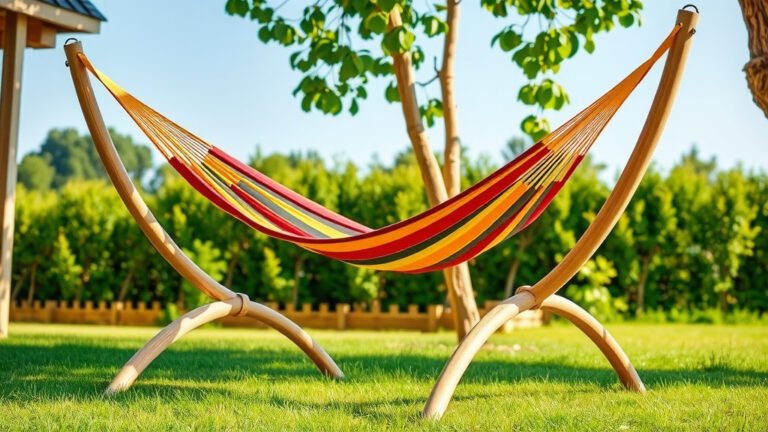
Anchor Points: The Foundation
Your anchor points are what your hammock is attached to. These could be trees, posts, or a hammock stand. If these points are too close together or too far apart, it affects the hang angle. A bad angle can make the hammock more prone to flipping. You want a gentle curve, not a taut line or a super saggy dip. We found that checking these points before each use is a good habit.
Suspension Material Matters
The type of material used for suspension can also play a role. Ropes, for example, can stretch or loosen over time. Webbing straps are generally more stable. If you’re using a knot to secure your hammock, ensure it’s a type that won’t easily come undone under pressure. A simple overhand knot might not be enough. Researching secure knot-tying methods can be very helpful (National Outdoor Leadership School).
How You’re Using Your Hammock
It’s not just about setup; your habits matter too. Even a perfectly set up hammock can flip if you’re not mindful of your movements. Are you trying to fit too many people in it? Are you bouncing around? These actions put excessive and uneven stress on the hammock and its supports.
Sitting vs. Lying Down
Sitting upright in a hammock is often more stable than trying to lie down immediately. When you sit, you can distribute your weight more evenly. As you get comfortable, you can slowly recline. Trying to lie down all at once can cause your weight to shift too suddenly to one side. We found that a gradual settling process is best.
Leaning and Shifting
Leaning too far out to one side to grab a drink or look at something can easily cause a flip. The hammock is designed for you to be somewhat centered. Constantly shifting your weight abruptly can also destabilize it. Think of it as a gentle dance, not a wild jig!
Types of Hammocks and Their Stability
Different hammock styles have different stability characteristics. Some are naturally more prone to tipping than others. Understanding your hammock type can help you anticipate potential issues.
Traditional Brazilian Hammocks
These hammocks, often made of quilted fabric or tightly woven cotton, are generally very stable. Their design encourages you to lie down lengthwise. They have spreader bars at the ends that keep the fabric taut. This design prevents the “cocoon effect” where you can get wrapped up. They are less likely to flip because your weight is distributed evenly across the wide fabric.
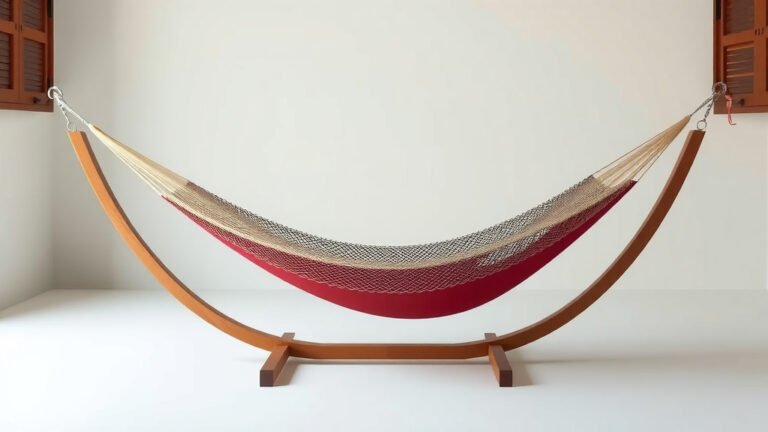
Spreader Bar Hammocks
Similar to Brazilian hammocks, these also use spreader bars. They can be very comfortable for lounging. However, the spreader bars can sometimes make them less stable, especially if the anchor points are too close together. A slight shift in weight can tip them. Many experts suggest these are best for calm, flat areas where they won’t be disturbed by wind or movement (Outdoor Recreation Group).
Nylon or Camping Hammocks
These are often made of lightweight nylon and don’t have spreader bars. They offer a deep, cocoon-like sleeping experience. While great for portability, they can be more prone to tipping if you’re not careful when entering or exiting. Because they hang in a curve, leaning too far to one side can make the edge lift up.
| Hammock Type | Stability | Reasons |
|---|---|---|
| Brazilian/Quilted | High | Wide fabric, encourages centered weight. |
| Spreader Bar | Medium | Can be top-heavy; susceptible to tipping with movement. |
| Nylon (No Spreader Bar) | Medium-High | Cocoon shape provides good support when settled; entry/exit requires care. |
A Checklist for a Stable Hammock Hang
To ensure your hammock stays put and you stay relaxed, run through this quick checklist before you settle in. It only takes a minute and can save you from an unexpected tumble.
- Check that your anchor points (trees, posts, stand) are sturdy and secure.
- Ensure your suspension straps or ropes are not frayed or damaged.
- Confirm all knots are tied correctly and are holding firm.
- Test the hammock gently with your weight before fully relaxing.
- Maintain a balanced posture when getting in and out.
- Adjust the hang angle for a gentle, comfortable sag.
Conclusion
You’ve learned that your hammock flips mainly due to uneven weight distribution or insecure suspension. Remembering to enter and exit your hammock gently is vital. Always check that your anchor points are solid and your suspension system is properly secured before you relax. By paying attention to how you use your hammock and ensuring a stable setup, you can prevent unexpected tumbles. Make these simple checks and habits part of your routine for worry-free hammock enjoyment.
Frequently Asked Questions
What if my hammock flips even when I sit down slowly?
This could mean your anchor points are too close together, creating a too-steep hang angle. It might also indicate that your suspension straps are slipping. Double-check your knot security or strap tension. Ensure the distance between anchor points allows for a gentle, natural curve in the hammock fabric.
Can the type of knot I use make my hammock flip?
Absolutely. Some knots can loosen under pressure or with movement. We’ve found that using a secure knot specifically designed for load-bearing is important. A simple overhand knot often isn’t enough to prevent slippage, which can lead to instability and flipping.
Is it okay to have my hammock very tightly strung?
No, a tightly strung hammock is often more prone to flipping. A hammock needs a bit of sag or a gentle curve to absorb your weight properly. If it’s too taut, any slight shift can cause it to act like a tightrope, making it unstable and easier to tip over.
My hammock flips when I try to lie down. What am I doing wrong?
This is common, especially with nylon hammocks. Try sitting in the hammock first, get centered, and then gradually lean back. Avoid the urge to jump or flop into a lying position all at once. A slow, controlled transition helps keep your weight balanced during entry.
Can wind cause my hammock to flip?
While wind can definitely make a hammock sway and feel unstable, it’s less likely to cause a direct flip on its own. However, if your hammock’s suspension is already loose or your anchor points are weak, strong gusts of wind can certainly exacerbate the instability and contribute to a flip.