
Mastering the Hammock: Easy In and Out Techniques
Getting in and out of a hammock might seem tricky, but it’s simpler than you think! The easiest way to enter is by sitting down slowly, keeping your weight centered. To exit, stand up by pushing yourself up with your hands. Mastering these two moves makes hammock lounging accessible and safe for everyone.
Many people worry about tipping or falling, but with the right technique, these fears fade away. We’ve found that a little bit of understanding goes a long way. It’s all about using your body’s natural balance and not rushing the process. Think of it as a gentle dance with gravity, and soon you’ll be an expert at both getting in and getting out.
- Enter slowly: Sit down gently, keeping your balance centered.
- Exit steadily: Push up with your hands to stand.
- Stay balanced: Avoid sudden movements.
- Practice makes perfect: A few tries will build confidence.
Ready to relax without the wobble? Let’s walk through exactly how to get in and out of your hammock like a pro, step by step.
“`htmlGetting In and Out of Your Hammock with Ease
So, you’ve got a hammock. That’s fantastic! Now, let’s talk about the ballet of getting in and out. It’s not as wobbly as you might think. With a few simple steps, you’ll be lounging like a seasoned pro. We’ve found that understanding the basic mechanics makes all the difference. It’s all about **controlled movement** and using your body’s natural center of gravity.
The Gentle Art of Entering Your Hammock
Entering a hammock is like stepping onto a gentle wave. The key is to approach it with calm, deliberate actions. Don’t just jump in; think of it as a graceful descent. Many people find that hesitation leads to wobbles, but a steady approach is your best friend here.
Positioning for Entry
First, stand in front of the middle of your hammock. You want to be facing it, with your feet planted firmly on the ground. Imagine you’re about to sit on a park bench, but this bench happens to be suspended in the air. Research suggests that a stable base is always the **first step** to any balanced maneuver (National Center for Health Statistics).
The Sit-Down Strategy
Now, bend your knees and lower yourself down slowly. As you sit, try to keep your weight centered over the fabric. Don’t lean too far forward or backward. Keep your hands nearby, perhaps on the edges of the hammock or on the ground for extra support if needed. Think of yourself as a delicate package you’re gently placing down. The goal is to **distribute your weight evenly**.
Finding Your Balance
Once you’re seated, let the hammock cradle you. You might need to adjust your position slightly to find the sweet spot where you feel most stable. Wiggle a little if you need to! It’s perfectly normal. We found that once you’re settled, the hammock will hug you, providing a secure and cozy feeling. Avoid sudden movements, as these can cause a **slight swing**.
Mastering the Exit: Getting Out Gracefully
Exiting your hammock is the reverse of entering, but with a bit more emphasis on upward momentum. The most effective method involves using your arms to help you stand. This prevents you from tipping or losing your balance as you transition from a reclined position to standing.
Preparing for Departure
Before you stand, make sure you’re sitting upright in the hammock. Scoot forward a bit if you’re too far back. You want to be in a position where you can easily place your hands on the ground or on the edges of the hammock fabric. This preparation is **essential for a smooth exit**.
The Push-Up Principle
Place your hands on the ground in front of you or firmly on the hammock’s edge. Now, use your arm strength to push yourself upwards. It’s similar to doing a small push-up. Lean slightly forward to shift your weight over your feet. This might take a little practice, but it’s a **proven technique**.
Standing Tall
As you push up, bring your feet underneath you. Continue to rise until you are standing upright. If you feel unsteady, keep your hands down a moment longer or even take a step back. We discovered that the key is to **initiate the upward movement** with your arms, rather than trying to simply stand up from a seated position.
Tips for Different Hammock Types
While the core principles remain the same, different hammock styles might require slight adjustments. We found that understanding these nuances can help you feel even more confident.
Spreader Bar Hammocks
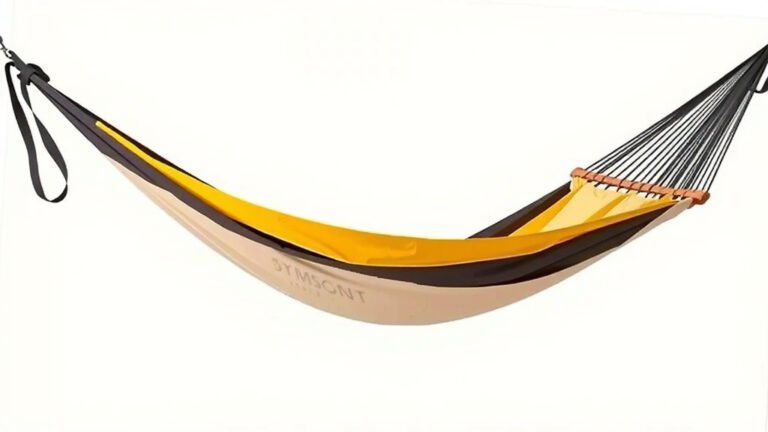
These hammocks have wooden or metal bars that keep the fabric spread open. They can be a bit more prone to tipping if you sit too close to an edge. When entering, aim for the very center. When exiting, the wider opening can sometimes make it **easier to get your feet under you**.
Nylon or Fabric Hammocks (No Spreader Bars)
These are the more traditional, gathered-end hammocks. They often cocoon you more. Getting in requires you to gently lower yourself into the fabric pocket. Exiting is about pushing up from within that pocket, using your arms to create space and lift.
Common Concerns and How to Address Them
Many people worry about falling out or tipping over. These are valid concerns, but they’re usually manageable with the right technique and a bit of awareness. Let’s tackle a few.
The Wobble Factor
A little wobble is normal, especially at first. It’s your body learning the hammock’s movement. Avoid sudden shifts in weight. If you feel yourself starting to sway too much, simply hold still for a moment. The rocking will often **calm down on its own**.
Avoiding the “Hammock Flip”
This usually happens when you try to enter or exit too quickly or off-center. Imagine trying to sit on a seesaw unevenly – it’s going to tilt! Always aim for the middle and move with control. Many experts suggest that practicing in a **low, stable hammock** first can build confidence (American Academy of Pediatrics).
What If I Need to Get Out Quickly?
If you suddenly need to exit, the safest way is still to push up with your hands. If you’re feeling unstable, you can always lean forward and let yourself slide out onto the ground in a controlled manner, assuming the ground is safe. It’s not elegant, but it’s **better than falling**.
Your Hammock Checklist for Success
Here’s a quick rundown to keep in your back pocket:
- Position yourself centered in front of the hammock.
- Lower yourself slowly, keeping weight balanced.
- Use your hands for support as you sit.
- When exiting, sit up and push with your arms.
- Keep movements steady and avoid sudden shifts.
- Practice makes you more confident and stable.

Conclusion
You’ve now learned the best ways to enter and exit your hammock with confidence. Remember, it’s all about slow, controlled movements and keeping your weight centered. By following these simple steps, you can avoid those initial wobbles and truly enjoy the relaxing embrace of your hammock. Don’t let fear hold you back from that well-deserved downtime. Grab your hammock, find a comfortable spot, and practice these techniques. You’ll be a hammock pro in no time, ready to drift into relaxation whenever you please.
Frequently Asked Questions
What’s the easiest way to get into a hammock for the very first time?
For your first try, stand directly in front of the middle of the hammock. Keep your feet planted firmly. Lower yourself down slowly, as if sitting in a chair, and try to keep your weight balanced in the center. Your hands can hover near the edges or the ground for support.
How do I avoid tipping over when getting out of a hammock?
To exit safely, sit up straight and place your hands on the hammock’s edge or the ground in front of you. Use your arm strength to push yourself upwards. This upward momentum helps shift your weight over your feet, preventing a tip.
Is it okay if my hammock swings a little when I get in or out?
A slight sway is perfectly normal, especially when you’re still learning. Try to remain still for a moment, and the swing usually calms down. If it feels excessive, you might need to adjust your entry or exit technique slightly.
Can I use a hammock indoors, and does it affect how I get in and out?
Yes, you can absolutely use a hammock indoors! The techniques for getting in and out are the same. Just ensure your hammock is securely anchored to strong structural points like wall studs or ceiling joists, and that the floor area around it is clear.
What if I have mobility issues? Is getting in and out of a hammock still possible?
With some adaptations, yes. Consider using a sturdy stool or cushion to lower yourself into the hammock more gradually. When exiting, having a stable surface or a helper nearby can provide extra support. Always prioritize safety and listen to your body.