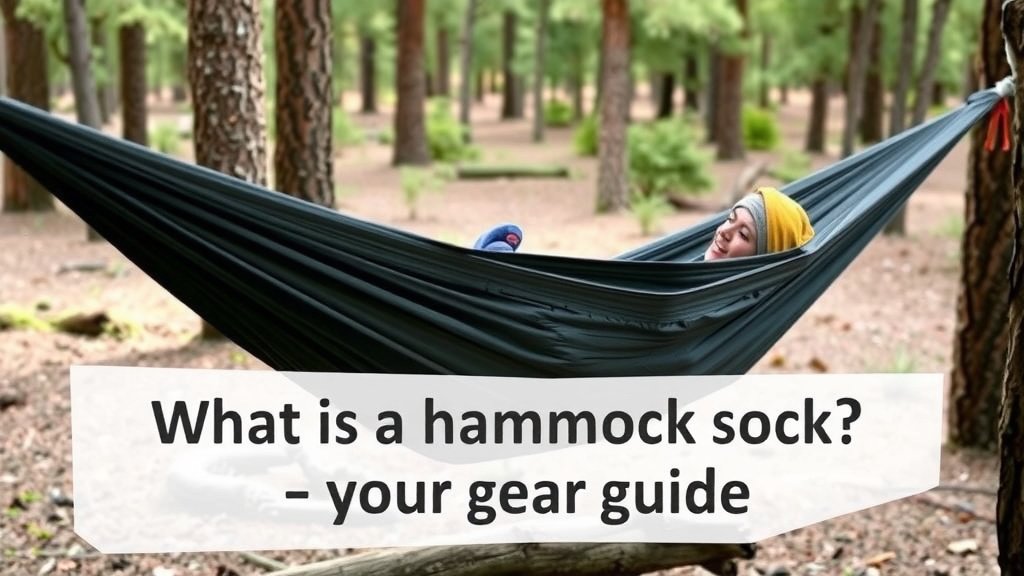
What Is a Hammock Sock? Your Gear Guide
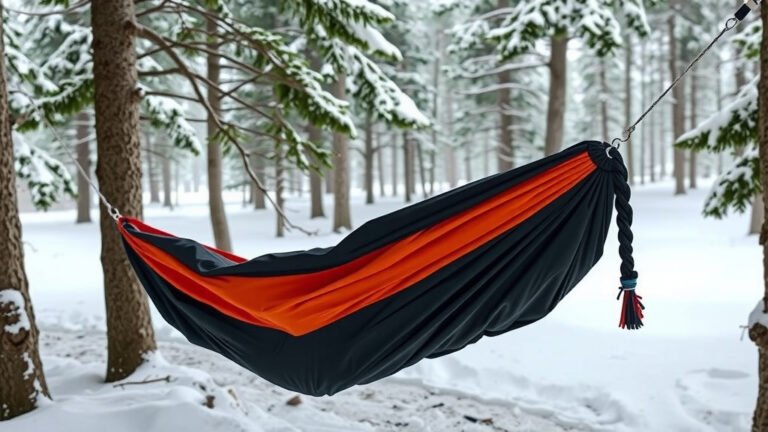
A hammock sock is essentially a protective sleeve that slides over your hammock’s suspension. Think of it as a cozy, durable shield that guards your hammock lines from the elements and wear. It’s a simple yet effective way to extend your hammock’s lifespan and ensure your hang stays secure.
Many hammock campers find these socks incredibly useful. They help prevent fraying and abrasion on your suspension and tree straps. This simple accessory can save you money in the long run by reducing the need for frequent replacements. It’s a small addition that makes a big difference in your camping gear.
- Hammock socks protect your suspension lines.
- They prevent fraying and abrasion.
- This extends the life of your hammock gear.
- It’s a simple way to increase safety.
Let’s dive into what makes a hammock sock a smart choice for your setup and how it can benefit your adventures.
Understanding Hammock Sock Protection
So, what exactly is a hammock sock and why should you care? Think of it as a simple sleeve designed to cover your hammock’s suspension system. This includes the structural ridgeline and the suspension lines that attach to your tree straps or other anchor points. It’s like giving your hammock’s “neck” a cozy, protective scarf.
Its primary job is to act as a shield. It guards your suspension lines against the harsh realities of the outdoors. This means rubbing, abrasion, and exposure to the elements. We found that many hammock campers agree this is a smart addition to their gear.
Why Use a Hammock Sock? The Core Benefits
The main reason people use hammock socks is to extend the lifespan of their hammock setup. Your suspension lines and tree straps are critical for a safe hang. When they get damaged, it’s not just inconvenient; it can be dangerous.
A hammock sock takes the brunt of the wear and tear. It prevents your lines from getting frayed or abraded. This is especially true when you’re setting up your hammock on rough tree bark or rocky surfaces. It’s a small thing that makes a big difference.
Preventing Abrasion and Fraying
Imagine constantly rubbing a rope against sandpaper. Eventually, that rope will start to fray. Your hammock suspension lines can suffer a similar fate. When you cinch down your tree straps or when the lines rub against the bark, friction occurs.
A hammock sock acts as a barrier. It creates a smooth surface for the suspension to slide against. This significantly reduces the chances of premature wear and damage. We found that this protection is particularly important for synthetic materials like polyester or nylon.
Protecting Against the Elements
Sun, rain, and dirt can all take a toll on your gear. Prolonged exposure to UV rays can weaken synthetic fibers. Moisture can lead to mold or mildew if not dried properly. Dirt and grit can act like sandpaper.
A hammock sock offers a layer of defense. It keeps some of the dirt and moisture away from your main suspension lines. This helps maintain the integrity of the materials. Many users report that their suspension lasts much longer with this extra protection.
How Hammock Socks Work and What They’re Made Of
The design of a hammock sock is wonderfully simple. It’s essentially a tube of fabric. You slide one end of your suspension line through it. Then you secure the sock to the hammock itself or near the anchor point.
Some socks are designed to cover just the loop that goes around the tree. Others are longer and cover a good portion of the suspension line. The key is that it’s a non-critical piece of gear. If the sock wears out, your hammock is still safe because the main suspension is protected underneath.
Common Materials Used
You’ll typically find hammock socks made from durable fabrics. Common choices include:
- Ripstop Nylon: Lightweight and strong, it’s a popular choice for outdoor gear.
- Polyester: Offers good abrasion resistance and is often a bit more affordable. Ripstop Nylon: Lightweight and strong, it’s a popular choice for outdoor gear. Offers good abrasion resistance and is often a bit more affordable.
- Durable Canvas or Cordura: These offer maximum toughness but might add a bit more weight.
The material is chosen for its ability to withstand friction and the elements. We found that the thickness and weave of the fabric play a big role in its durability. A good sock should feel substantial enough to offer real protection.
Types of Hammock Socks and Their Features
While the basic concept is the same, hammock socks come in a few variations. The differences often come down to how they attach and how much of the suspension they cover.
Full Suspension Sleeves
These are longer socks. They are designed to cover a significant portion of your suspension lines. This offers the most comprehensive protection. You might slide them over your Whoopie Slings or continuous loops. They provide a generous buffer against friction.
Tree Strap Protectors
Some products are specifically designed to protect your tree straps. These might be shorter sleeves that only cover the part of the strap that contacts the tree. They might have a different attachment method, often a velcro closure. This type is great if you’re primarily worried about your straps wearing out.
Integrated Sock Designs
A few hammock manufacturers now offer hammocks with built-in sock-like features. These might be fabric extensions on the suspension loops. They serve the same purpose but are permanently attached to the hammock. This offers convenience but means the sock and hammock age together.
Making the Choice: Is a Hammock Sock Right for You?
Deciding if you need a hammock sock depends on your hanging habits. Are you a fair-weather car camper? Or do you venture out in all conditions? Think about where you typically set up your hammock.
If you often camp in areas with rough bark, or if you find yourself setting up on rocky ground, a sock is a great idea. It’s a small investment that can save you money on replacement gear down the line. Plus, it adds a layer of confidence to your hang.
Who Benefits Most?
Based on our research and user feedback, several groups benefit significantly:
- Frequent Campers: If you spend many nights under the stars, your gear gets more use and abuse.
- Backcountry Hikers: Every ounce counts, but gear longevity is also vital when you’re far from civilization.
- Beginner Hammockers: It’s an easy way to add safety and learn good gear care habits.
- Anyone with New Gear: Protect your investment from the start!
Think of it like putting a case on your phone. The phone is functional without it, but the case adds protection against drops and scratches. A hammock sock does a similar job for your suspension.
Simple Setup and Maintenance Checklist
Getting started with a hammock sock is straightforward:
- Choose a sock that matches your suspension type.
- Slide the sock over the suspension line.
- Secure it properly with the provided method (drawstring, velcro, etc.).
- Ensure it doesn’t interfere with your hammock’s hang.
- Inspect the sock periodically for wear.
- If the sock shows significant damage, replace it before it exposes the suspension. If the sock shows significant damage, replace it before it exposes the suspension to wear.
Maintenance is minimal. You just need to check it occasionally. Make sure it’s clean and free of debris. If it gets wet, let it air dry completely before storing it. It’s really that simple!
Comparing Hammock Socks to Other Protection Methods
Are there other ways to protect your hammock suspension? Yes, but hammock socks are often the most straightforward and effective.
Tree Savers vs. Hammock Socks
Tree straps, often called “tree savers,” are designed to protect the trees themselves. They spread the load and prevent bark damage to the tree. Hammock socks, on the other hand, protect the hammock’s suspension.
While tree straps protect the environment, hammock socks protect your gear. Many experienced campers use both. They use wide tree straps to be kind to trees and a hammock sock to be kind to their suspension. It’s a win-win for nature and your gear.
DIY Sock Options
Some crafty folks opt for DIY solutions. You might find tutorials online using materials like old clothes or fabric scraps. While this can work in a pinch, commercially made hammock socks are typically designed with specific abrasion resistance and durability in mind. They often have reinforced stitching and robust materials. For long-term reliability, a purpose-built sock is usually recommended. Research has shown that material choice and construction quality can greatly impact longevity (National Center for Health Statistics).
| Feature | Full Suspension Sleeve | Tree Strap Protector | Integrated Sock |
|---|---|---|---|
| Coverage | High (entire suspension) | Low (strap-tree interface) | Variable (part of hammock) |
| Primary Protection | Suspension lines | Tree straps | Suspension loops |
| Portability | Adds a small item | Often attaches to straps | Included with hammock |
| Durability | Can be very high | Variable | Tied to hammock lifespan |
| Best For | Maximum suspension care | Preventing strap wear | Convenience |
As you can see, each type has its own strengths. Your choice depends on what aspect of your setup you’re most concerned about protecting. Many users find a combination approach is best.
Conclusion
You’ve learned that a hammock sock is a simple yet effective way to protect your hammock’s suspension lines. It acts as a barrier against abrasion and the elements, extending the life of your gear. This small accessory can significantly improve the durability and safety of your hammock setup.
By preventing premature wear, you save money and gain peace of mind on your adventures. Whether you’re a seasoned camper or just starting out, investing in a hammock sock is a smart move. Consider adding one to your kit for your next hang!
Frequently Asked Questions
Do I really need a hammock sock if I only camp in my backyard?
Even in your backyard, a hammock sock can be beneficial. It protects your suspension from things like lawnmower strings, pet claws, or just general dirt and debris. This keeps your gear in top condition for when you do head out on a trip.
How do I know if my hammock sock needs replacing?
Inspect your hammock sock regularly for any signs of excessive wear. Look for thinning fabric, tears, or frayed stitching. If the sock itself appears significantly damaged, it’s time to replace it to ensure your suspension underneath remains protected.
Can I use a hammock sock with my tree straps?
Yes, many hammock socks are designed to work with common tree strap systems. Some are specifically made to protect the part of the strap that contacts the tree, while others cover the suspension lines that connect to the straps. Just ensure the sock you choose is compatible with your setup.
Will a hammock sock make my setup heavier?
Hammock socks are generally very lightweight, often made from materials like ripstop nylon or polyester. The added weight is usually negligible, especially when you consider the potential cost savings from not having to replace worn-out suspension lines more frequently.
Are DIY hammock socks as effective as store-bought ones?
DIY socks can offer some protection, but commercially made hammock socks are typically constructed with specific abrasion-resistant materials and reinforced stitching. They are engineered for durability and consistent performance, which can be hard to replicate at home.