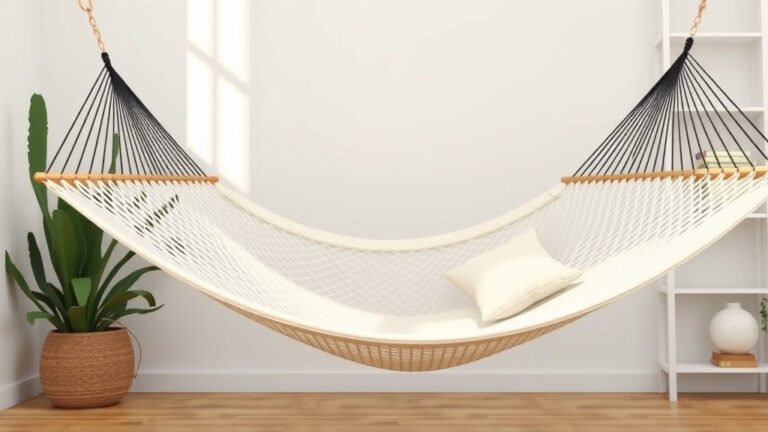
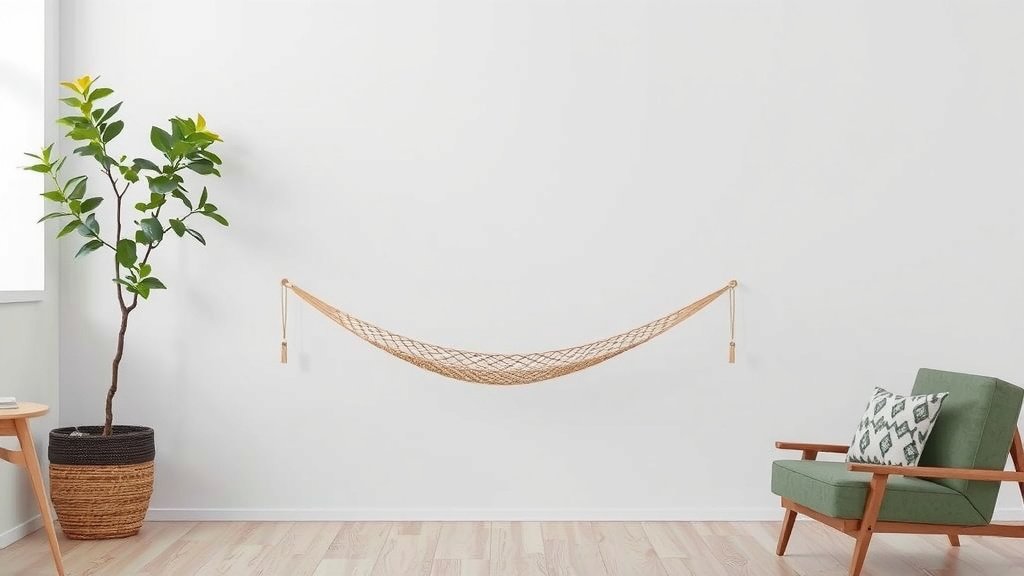
Hang a Hammock Indoors: Your Cozy Guide
Yes, you absolutely can use a hammock indoors! It’s a fantastic way to add a cozy, relaxing spot to your home. With the right setup, your living room or bedroom can become your personal oasis. You just need to consider a few key things for safe and sturdy hanging. You just need to consider a few key things for safe and sturdy hanging.
Many people are discovering the joy of indoor hammocking. It’s not just for camping anymore. We’ve found that creating a dedicated relaxation space is a popular trend. This is especially true if you’re looking for a unique alternative to traditional seating. Hanging a hammock is often simpler than you might think.
- Yes, hammocks are great for indoor use.
- Proper hanging is key for safety and comfort.
- Consider hammock stands or wall anchors.
- Indoor hammocks can create a cozy relaxation zone.
- It’s a unique alternative to regular furniture.
Let’s walk through exactly how you can get your indoor hammock set up perfectly.
Hanging a Hammock Inside Your Home
So, you’re wondering if your living room can become your new favorite chill-out zone. The answer is a resounding yes! You can absolutely use a hammock indoors. Many people are discovering how easy and rewarding it is to bring this cozy comfort inside. It’s a wonderful way to create a personal sanctuary right in your own home.
Think about it: a comfy hammock is perfect for reading, napping, or just unwinding after a long day. It adds a unique touch to your decor. Plus, it’s often more space-efficient than a bulky armchair. We’ve found that setting up an indoor hammock is totally achievable with a little planning.
Where to Hang Your Indoor Hammock
The first big question is where will your hammock live? You’ll need a sturdy anchor point. This could be two walls, two sturdy posts, or even a strong, stationary piece of furniture. You’re looking for spots that can handle your weight plus the dynamic forces of swinging. Safety is always the top priority here.
Using Wall Anchors for a Secure Hang
One of the most popular methods for indoor hanging is using heavy-duty wall anchors. These are specifically designed to hold significant weight. You’ll typically need two anchors, installed at the right distance apart. This distance depends on your hammock’s length and how you want it to hang.
When choosing anchors, look for ones rated for at least 300-500 pounds. This is a good safety margin. We’ve found that wood studs in your walls are the strongest points to anchor into. If you can’t find studs, you might need specialized anchors that distribute weight across drywall. Always follow the manufacturer’s installation instructions very carefully. Drilling pilot holes is usually a must. If you’re unsure about your DIY skills, don’t hesitate to ask a handy friend or a professional for help. Getting this right means peace of mind.
The Hammock Stand Option
Don’t want to drill into your walls? No problem! A hammock stand is a fantastic alternative. These stands are freestanding and require no installation. They come in various materials, like metal or wood, and are designed to be very stable. You simply assemble the stand, and it’s ready to go.
Stands offer a lot of flexibility. You can easily move your hammock from room to room or even take it outside if the weather is nice. This is a great option if you rent your home or simply prefer a non-permanent setup. We’ve seen that many stands are quite stylish and can even become a focal point in your room. They provide a consistent and reliable hang every time.
Considering Other Anchor Points
Beyond wall anchors and stands, are there other options? Well, if you have exposed, sturdy beams in your home, those could potentially be used. Some people even get creative with strong architectural features. However, this is where you need to be extremely cautious. Structural integrity is key.
If you have two very strong, load-bearing posts or columns in the right place, you might be able to attach eye bolts or straps to them. Always consult an expert if you’re considering anything beyond standard wall anchors or a dedicated stand. We want your hammock experience to be relaxing, not worrisome!
Choosing the Right Hammock for Indoor Use
Not all hammocks are created equal, especially when you’re planning to hang them inside. You’ll want something comfortable, durable, and perhaps a bit stylish to match your home’s aesthetic. Here’s what to consider:
Fabric Types and Comfort
The material of your hammock will greatly affect its comfort and durability.
- Cotton: These hammocks are incredibly soft and breathable, making them super cozy for indoor lounging. They offer a luxurious feel. However, cotton can be less durable and may stretch over time. It’s also not ideal for humid environments. Cotton hammocks are incredibly soft and breathable, making them super cozy for indoor lounging, but cotton can be less durable and may stretch over time.
- Polyester/Nylon: These synthetic fabrics are strong, resistant to stretching, and easy to clean. They tend to be more durable than cotton. Some can feel a bit less soft initially but offer excellent longevity.
- Spreader Bar Hammocks: These have rigid bars at each end, keeping the fabric flat. They’re easy to get in and out of, but can be prone to tipping if you’re not careful.
- Gathered-End Hammocks: These are made of fabric that gathers at the ends. They often create a more cocoon-like feeling when you lie in them. They’re generally very comfortable and secure.
Size Matters
Hammocks come in various sizes, from single to family size. For indoor use, a single or double hammock is usually sufficient. Consider how many people might want to lounge in it at once. A double hammock offers a bit more room to spread out comfortably.
Setting Up for Success: Dos and Don’ts
Getting your indoor hammock set up safely and comfortably involves a few key steps. Following these guidelines will help ensure you have a great experience.
Determining Hanging Height and Spacing
This is where the magic happens for that perfect sag. A good rule of thumb is to hang your hammock about half its total length off the ground. So, if your hammock is 10 feet long, you’d want your anchor points to be about 5 feet high. This allows for a nice, gentle curve when you lie down.
The distance between your anchor points should also be considered. For a standard gathered-end hammock, we’ve found that anchor points spaced about 10-15 feet apart often work well. This creates that ideal comfortable sag. Too tight, and it’s uncomfortable. Too loose, and you might feel like you’re sinking too much. It’s a bit of an art!
The Importance of the Sag
You don’t want your hammock to be stretched tight like a guitar string. That’s not comfortable for your back. A hammock should have a gentle, inviting curve or sag. Think of a happy smile. This allows your body to rest naturally. The gathered-end style hammocks naturally provide this. Spreader bar hammocks will lie flatter, so you’ll need to ensure the height and spacing are correct to avoid tipping.
Many sources suggest that when you sit in the hammock, your feet should be about a foot off the ground. This is a great indicator that your tension is just right. It ensures you get the best support and the most relaxing experience. We found this tip to be super helpful!
Safety Checklist for Your Indoor Hammock Setup
Before you fully commit to lounging, give this quick checklist a once-over:
- Have you confirmed your anchor points are strong and secure?
- Are your anchors (wall anchors, stand) rated for sufficient weight?
- Is the hanging height appropriate (around half the hammock length)?
- Is the distance between anchors suitable for a comfortable sag?
- Have you tested the hammock gently before fully settling in?
- Are there any potential tripping hazards around your hammock area?
Tips for Maximizing Your Indoor Hammock Experience
Once your hammock is up and secure, you’ll want to make the most of your new relaxation station. Here are a few ideas we’ve gathered.
Accessorize for Ultimate Comfort
Don’t stop at just the hammock! Add some extras to boost your comfort. A small pillow for your head or neck can make a world of difference. A soft throw blanket is perfect for cooler evenings. You might even consider a small side table or a hanging organizer for your book, phone, or a cup of tea. Think of it as creating your own cozy nook.
Consider Placement in Your Home
Where you put your hammock can impact its use. A quiet corner of the living room can be perfect for unwinding. Near a window with a nice view is also a popular choice. Some people even hang them in bedrooms for a unique sleeping alternative. Just be sure the location doesn’t obstruct daily movement through your home. We suggest finding a spot that feels peaceful and accessible.
Hammock Maintenance for Longevity
To keep your indoor hammock in top shape, a little care goes a long way. Most fabric hammocks can be spot-cleaned easily. For deeper cleaning, check the manufacturer’s instructions. Some can be hand-washed or even machine-washed on a gentle cycle. Ensure it’s completely dry before storing to prevent mold or mildew. Regularly inspect your anchor points and the hammock itself for any signs of wear and tear. This helps ensure continued safety and enjoyment for years to come.
Conclusion
You’ve learned that turning a corner of your home into a hammock haven is totally achievable and incredibly rewarding. From secure wall anchors to convenient stands, your options for a sturdy hang are plentiful. Remember, comfort comes from the right hammock material and achieving that perfect, gentle sag. With a little planning and attention to safety, you can create a unique, cozy escape. So, go ahead and set up your indoor oasis—your personal relaxation zone awaits!
Frequently Asked Questions
Will hanging a hammock damage my walls?
Hanging a hammock can cause damage if not done properly. Using heavy-duty wall anchors into studs, or a freestanding hammock stand, are the best methods to avoid wall damage. Always follow installation instructions carefully and ensure your anchors are rated for the weight.
How far apart should I hang my indoor hammock?
For a comfortable sag, the distance between your anchor points should generally be about 10-15 feet apart for a standard hammock. This spacing allows for a gentle curve, which is key for back comfort. Adjust based on your hammock’s length and desired hang.
Can I sleep in an indoor hammock every night?
Yes, many people use indoor hammocks as a primary sleeping surface. The key is to ensure it’s set up correctly for spinal alignment and comfort. A gathered-end hammock often provides a more natural, ergonomic sleep position than a spreader bar style.
What is the weight limit for a typical indoor hammock setup?
Most indoor hammock setups are designed to hold between 300 to 500 pounds. This includes the hammock itself, the anchors, and the person using it. Always check the weight rating for your specific hammock, stand, or anchors to ensure safety.
Is a hammock stand better than wall anchors for an indoor hammock?
Both have their benefits! Hammock stands offer flexibility, portability, and no wall damage, making them ideal for renters or those who like to rearrange. Wall anchors provide a more permanent, space-saving solution but require drilling into your walls. Your choice depends on your living situation and preference.