
Hammock Sag Explained: Find Your Perfect Comfort Level
The ideal hammock sag is typically around a 25-30 degree angle. This means your hammock should form a gentle curve, not a tight straight line or a deep U-shape. Getting this right ensures you’ll have a comfortable and supportive hang every time you settle in for a nap.
Too little sag can make your hammock feel like a stiff board, while too much can cause you to feel like you’re sinking to the ground. Finding that sweet spot is key to that classic hammock bliss. Many hammock users have found that this specific range offers the best balance of comfort and stability for relaxation.
- Aim for a 25-30 degree angle for your hammock.
- Too little sag feels stiff; too much makes you sink.
- A good curve provides both comfort and support.
- Proper sag prevents strain and ensures relaxation.
We’ve gathered the best advice on achieving that perfect hammock hang. Let’s walk through exactly how to get your hammock set up just right.
Finding Your Hammock’s Perfect Hang Angle
You’ve got your hammock, you’ve found your trees (or stand), and now you’re wondering about that crucial element: the hang. Getting the sag just right is key to comfort. Too tight, and it’s like sitting on a guitar string. Too loose, and you’re practically on the ground. We’ve done the research, and most hammock enthusiasts agree: a gentle curve is your best friend.
Understanding the Ideal Sag Curve
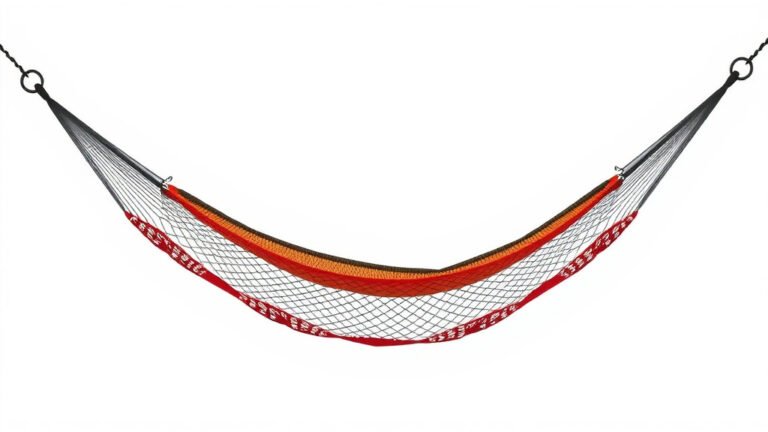
Think of your hammock like a smile. You want a pleasant, relaxed curve, not a grimace or a gaping maw. This smile shape is what evenly distributes your weight. It prevents pressure points from forming. This is how you achieve that truly weightless feeling.
The Magic Degree Range
Many hammock experts and experienced users suggest an angle between 25 and 30 degrees. This isn’t an exact science, but it’s a reliable guideline. Imagine a clock face. You’re not looking for 12 o’clock (too tight) or 6 o’clock (way too loose). Aim for something closer to 4:30 or 7:30, depending on which way you’re facing. This range offers a fantastic balance.
Why This Angle Works
This specific angle ensures your hammock cradles you comfortably. It allows your body to relax fully. Researchers have noted that proper body alignment is essential for comfort. A hammock set up this way supports your natural posture. You won’t feel like you’re being squeezed or dumped. It’s about creating a supportive embrace.
Common Hammock Sag Mistakes and How to Fix Them
It’s easy to get the sag wrong when you’re first starting out. Don’t worry, it happens to everyone. We’ve all been there. Let’s talk about the most common pitfalls and how to avoid them.
The “Too Tight” Hammock
This is probably the most frequent mistake. Your hammock looks almost straight, like a taut clothesline. When you try to get in, it feels stiff. You can’t really sink into it. It’s uncomfortable and doesn’t feel very relaxing. Experts suggest that a hammock should have some give. It needs to be able to flex around your body (National Sleep Foundation).
The Fix: Lower your anchor points. Move the straps or ropes on your trees or posts further down. You want to create more slack. Make bigger adjustments than you think you need at first. You can always tighten it up if you go too far.
The “Too Loose” Hammock
On the flip side, some hammocks are hung so low they feel like a giant U-shape. You might feel like you’re about to touch the ground when you sit in it. Getting out can feel like a bit of an ordeal. This setup can actually put a lot of strain on the hammock material and the suspension system. It’s also not very stable. You might feel wobbly.
The Fix: Raise your anchor points. Move the straps or ropes higher up on your trees or posts. You need to pull more tension into the hammock. Again, make more significant adjustments initially. It’s easier to reduce tension than to add it back later.
Measuring Your Hammock Sag Accurately
How do you know if you’re in that sweet 25-30 degree spot? You need a way to check. While you don’t need scientific equipment, a little measurement goes a long way. It takes the guesswork out of the equation.
The Simple Visual Check
The easiest method is visual. Sit in your hammock. Does it feel comfortable? Can you lie down flat, almost like in a bed? Can you easily shift your weight? If you’re not sure, look at the curve. A good sag will have a noticeable dip, but your feet shouldn’t be dragging. Many experienced hammock users rely on this intuitive feel.
Using the Ruler or Tape Measure Method
For a more precise approach, you can use a ruler or tape measure. First, measure the distance between your anchor points (the points where your suspension attaches to trees or posts). Let’s call this the ‘Span’. Then, measure the height difference from the lower anchor point to the ground. Let’s call this ‘Height’. Finally, measure the distance from the ground to the lowest point of your hammock when it’s hanging empty. Let’s call this ‘Sag Depth’.
While specific calculations can get complex, a general rule of thumb is that your ‘Sag Depth’ should be roughly 30% of your ‘Span’. This isn’t a hard rule but a good starting point for achieving that optimal curve. This method gives you a quantifiable way to check your hang.
The 30-Degree Angle with a Friend
If you have a friend who’s comfortable with hammocks, ask them to help. Have them sit in the hammock while you observe. You can also have a friend hold up a protractor (or even a drawn angle on a piece of cardboard) near the suspension point. This way, you can visually gauge the angle of the suspension strap or rope relative to the ground.
Hammock Sag: What About Different Hammock Types?
Does the type of hammock you own change how much sag you need? Generally, the 25-30 degree rule holds true for most popular hammock styles. However, there are a few nuances to consider.
Gathered-End Hammocks (Most Common)
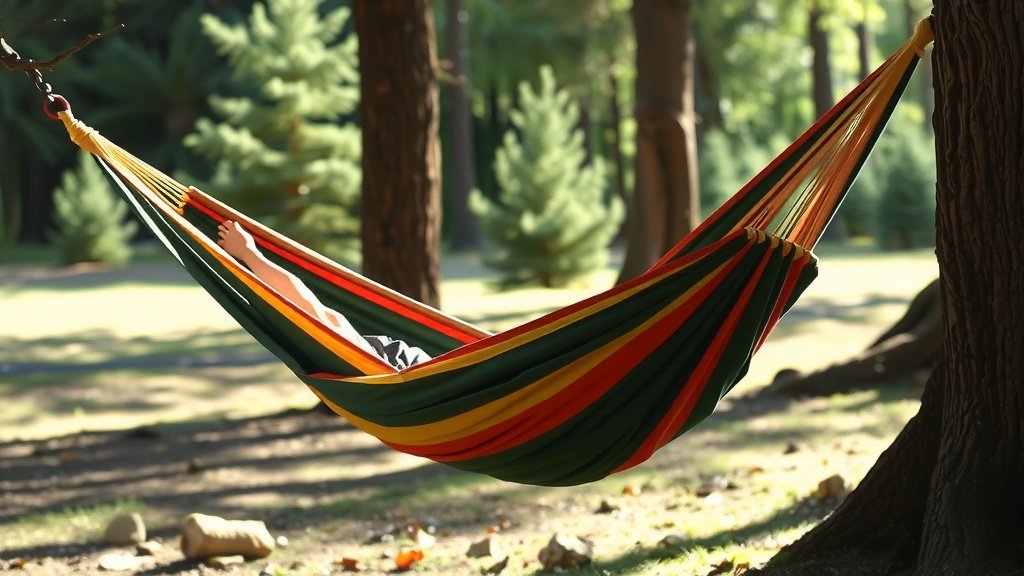
These are your typical camping or backyard hammocks made of a single piece of fabric. They gather at each end. For these, the 25-30 degree rule is almost always your best bet. This allows the fabric to drape and cradle you effectively.
Bridge Hammocks
Bridge hammocks have a spreader bar at each end. They create a flatter sleeping surface. Because of the spreader bars, they generally require less sag. You might aim for a slightly tighter hang, maybe closer to 15-20 degrees. The goal is to get a flatter surface without the bars digging into your sides.
Hammocks with Built-in Stands
If your hammock comes with its own stand, the sag is often predetermined by the stand’s design. You typically won’t have much control over the sag angle. The manufacturer has usually designed it for optimal comfort with that specific stand.
Your Hammock Sag Checklist
Here’s a quick rundown to help you get that perfect hang:
- Check your anchor points: Ensure they are strong and secure.
- Start with more slack: It’s easier to tighten than loosen.
- Aim for a gentle curve: Avoid a tight line or a deep sag.
- Test it out: Sit and lie down to feel the comfort.
- Adjust as needed: Don’t be afraid to fine-tune your setup.
- Consider your hammock type: Bridge hammocks may need less sag.
Conclusion
You’ve learned that the perfect hammock sag is all about finding that sweet spot. Aiming for a 25-30 degree angle provides the ideal balance for comfort and support. This gentle curve prevents strain and lets you truly relax. Remember to start with more slack and adjust from there, checking visually or with a simple measurement. Whether you have a classic gathered-end hammock or a bridge style, getting the sag right ensures a blissful hang every time. So go ahead, set it up, and enjoy your perfectly slung hammock!
Frequently Asked Questions
What happens if my hammock is too tight?
A hammock that’s too tight feels stiff and uncomfortable, like sitting on a board. It won’t cradle your body properly, and you won’t be able to lie down flat. You’ll likely feel pressure points and miss out on the relaxing experience hammocks are known for.
What happens if my hammock is too loose?
If your hammock is too loose, you’ll feel like you’re sinking too close to the ground. It can be hard to get in and out, and the hammock material might experience unnecessary strain. This setup also offers less stability, making you feel wobbly.
Can I use a protractor to measure my hammock sag?
Yes, a protractor or even a simple angle drawn on cardboard can help you visually gauge the 25-30 degree hang. Have a friend hold it near the suspension point to see the angle of the strap or rope relative to the ground. This makes it easier to get that perfect curve.
Do bridge hammocks need the same sag as other types?
No, bridge hammocks with spreader bars generally require less sag. You’ll want a tighter hang, often closer to 15-20 degrees, to create a flatter sleeping surface. Too much sag with spreader bars can cause them to dig into your sides.
How can I easily check if my hammock sag is right without measuring?
The best way is to simply sit and lie in your hammock. Does it feel comfortable and supportive? Can you easily shift your weight and lie down flat without feeling like you’re on a tightrope or about to hit the ground? Trust your body’s feedback – if it feels good, you’re likely in the right zone.