Why Is My Hammock Too Tight? Common Causes and Fixes
Your hammock feels too tight because the suspension straps are likely too short. This can happen if you didn’t measure correctly or if the trees you’re using are closer together than you thought. Getting the right tension is key for a comfortable hang, so don’t worry, it’s a common issue!
A hammock that’s too snug means you’re probably not getting that gentle, cradling feeling. You want your hammock to have a nice, relaxed curve, often called the “smile.” We found that too much tension can make it feel like you’re sitting on a drum rather than floating. It’s all about finding that sweet spot of **support and sag**.
- Too short straps are the main culprit.
- Trees too close together cause tight hangs.
- A proper curve means a comfy hammock.
- Aim for a gentle, relaxed sag.
Let’s walk through exactly why your hammock might be feeling like a guitar string and how to fix it so you can finally relax.
Why Your Hammock Feels Like a Tight Squeeze
So, your hammock feels less like a cloud and more like a yoga pose? You’re not alone! A hammock that’s too tight is a common frustration for new and seasoned hangars alike. Often, it boils down to a simple misunderstanding of how a hammock should hang. We’ve found that improper strap length is the most frequent culprit. It prevents that lovely, relaxed curve we’re all aiming for.
Understanding the Ideal Hammock Sag
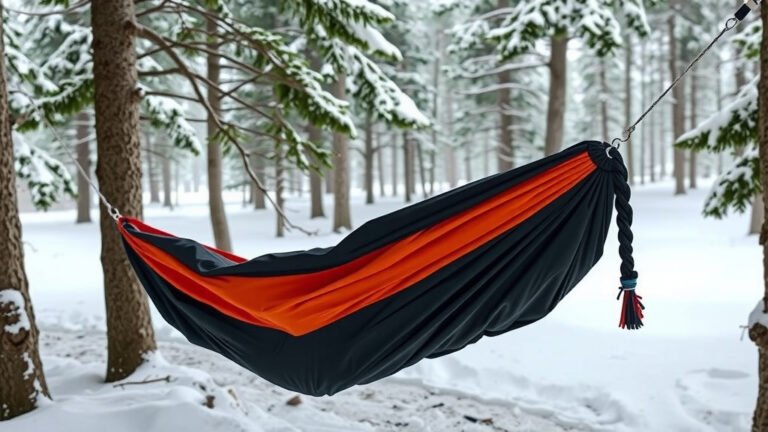
Think of your hammock as a happy banana. It should have a gentle, consistent curve from one end to the other. This curve is often called the “smile” or the “hammock hug.” We found that a sag of about 30 degrees is generally considered ideal. This angle allows the fabric to cradle you comfortably without feeling stretched or strained. Too much tension means you lose this hug, making it feel like you’re sitting on a stretched rubber band instead of floating on air.
Common Culprits Behind a Tight Hammock
Let’s break down the most likely reasons your hammock is giving you a squeeze.
1. Suspension Straps Are Too Short
This is the big one. Hammock suspension systems come with straps of various lengths. If your chosen straps are too short for the distance between your anchor points (like trees or posts), you’ll have to pull them tighter. This results in that unwelcome drum-like tension. We found that many beginners underestimate the need for longer straps, especially if they haven’t measured their anchor points carefully.
2. Anchor Points Are Closer Than You Think
You might have the perfect length straps, but if the trees you’re using are closer together than you anticipated, you’ll run into the same problem. It’s easy to misjudge distances in your head. We discovered that bringing a measuring tape on your first few hangs is incredibly helpful. It takes the guesswork out of it.
3. Incorrect Adjustment of Your Suspension System
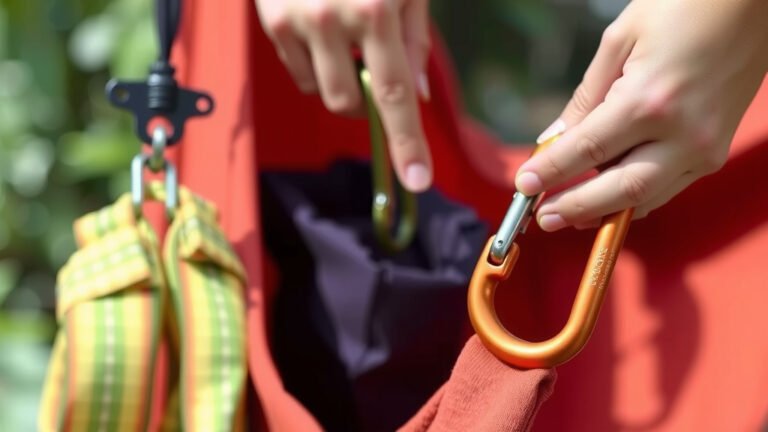
Many suspension systems, like whoopie slings or cinch buckles, offer a lot of adjustability. If you’re new to these, it’s possible you’ve over-tightened them. Think of it like a drawstring on a hoodie – pull it too hard, and it bunches up uncomfortably. We found that learning how to properly adjust your specific system is key to achieving that perfect hang.
4. The Hammock Itself Might Be Too Small
While less common, some hammocks are simply designed for smaller individuals or for shorter hang distances. If you’re on the taller side or using very spread-out anchor points, a standard-sized hammock might feel a bit snug even with proper tension. Most manufacturers provide dimensions, so double-check if yours is suited for your size and setup (National Hammock Camping Association).
Troubleshooting Your Hammock Tension: Step-by-Step
Don’t worry, we can help you loosen things up and get to that state of blissful relaxation. It’s all about making small, precise adjustments.
Assessing Your Current Hang
Before you start adjusting, take a moment to observe. Sit in the hammock. Does it feel like you’re being squeezed? Can you not lie flat? Look at the angle of the fabric from the suspension point to the end of the hammock. Does it seem very steep?
The “90-Degree Angle” Rule of Thumb
A simple way to check your tension is by looking at the angle where your suspension strap meets the tree. We found that many hammock campers aim for roughly a 90-degree angle at the anchor point. If your strap is going almost straight down or very steeply upwards, your tension is likely off. This is a good visual cue (Hammock Camping Journal).
The “Smile” Test
When you’re lying in the hammock, you should see a nice, even curve. If the fabric is pulled taut with no discernible curve, it’s too tight. Your goal is that comforting crescent moon shape. We’ve seen that a good smile means a happy back and a relaxed body.
Making Adjustments for a Looser Hang
Now, let’s get that slack back into your setup.
Loosening Your Suspension System
This depends on your specific suspension. If you’re using whoopie slings, you’ll need to lengthen them. This usually involves pulling the fixed loop out of the adjustable loop. For cinch buckles, you’ll be loosening the buckle itself. We found that small adjustments make a big difference. Try loosening it by just a few inches at a time.
Consider Longer Suspension Straps
If you’ve loosened your current straps as much as they go and it’s *still* too tight, your straps might just be too short for the distance. You can buy longer suspension straps. Many companies offer them in various lengths, like 10, 12, or 15 feet. This is a simple fix that dramatically improves your hang. We found that investing in a good set of adjustable or longer straps is often worth the peace of mind.
Finding New Anchor Points
Sometimes, the easiest solution is to find different trees. Look for trees that are further apart. This is especially true if you’re using a shorter hammock or shorter suspension system. We suggest scouting your area beforehand to identify potential anchor points with suitable spacing.
A Quick Checklist for a Better Hang
Here’s a quick rundown to help you achieve that perfect hammock tension:
- Measure the distance between your anchor points before you start.
- Ensure your suspension straps are long enough for the distance.
- Learn to adjust your specific suspension system properly.
- Aim for a ~30-degree sag angle.
- Look for that satisfying “smile” in the fabric.
- Don’t be afraid to try different anchor points if needed.

Conclusion
We know it’s frustrating when your hammock feels too tight. It can really ruin your relaxation time. Remember, a comfortable hammock hang is all about finding that perfect balance of tension and sag. Most often, the issue stems from straps being too short or anchor points being too close together. By understanding the ideal “smile” and using simple checks like the 90-degree rule, you can troubleshoot effectively. Don’t hesitate to adjust your suspension or even invest in longer straps. Your next step is to go outside, re-evaluate your hang, and make those small adjustments for ultimate comfort!
Frequently Asked Questions
How do I know if my hammock is too tight?
You’ll know your hammock is too tight if it feels like you’re sitting on a stretched rubber band rather than floating. It won’t form a comfortable “smile” or curve when you’re in it, and lying flat might be difficult. The fabric will appear very taut.
Can I use longer straps to fix a too-tight hammock?
Yes, absolutely! If you’ve maxed out the adjustment on your current suspension and it’s still too snug, longer suspension straps are often the best solution. They provide more distance between anchor points, allowing for a looser, more comfortable hang.
What if the trees are just too close together for my hammock?
If your anchor points are closer than your hammock or suspension system allows for a proper sag, you have a few options. You can try finding a different set of trees that are further apart, or you might consider a shorter hammock model if you frequently encounter this issue.
Does the type of suspension system affect hammock tightness?
Yes, it can. Systems like whoopie slings or cinch buckles offer a lot of adjustability. If these are new to you, it’s possible to over-tighten them by accident. Learning the specific adjustment method for your system is key to achieving the right tension.
Is there a visual guide for how a hammock should sag?
A great visual cue is the “smile” test – when lying in the hammock, you should see a consistent, gentle curve. Many also aim for roughly a 90-degree angle where the suspension strap attaches to the tree. If the strap goes almost straight down or steeply up, your tension is likely off.