Better Sleep: Unlocking Hammock Sleeping Benefits
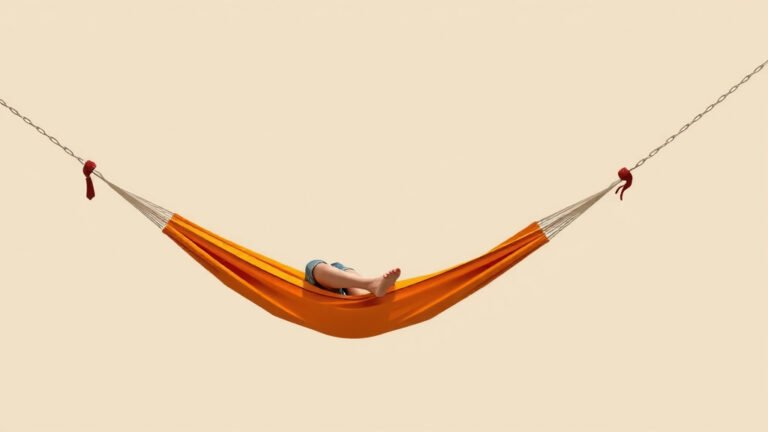
Yes, sleeping in a hammock can offer some surprising benefits for your rest. Many people find that the gentle rocking motion helps them fall asleep faster. It can also promote a deeper, more restorative sleep experience. It’s like a gentle lullaby for your brain.
Beyond just comfort, hammock sleeping may help reduce tossing and turning. The suspended design contours to your body. This can lead to better spinal alignment and less pressure on your joints. You might wake up feeling more refreshed. It’s a simple change with a big impact.
- Faster sleep onset.
- Deeper sleep cycles.
- Less tossing and turning.
- Potential for reduced pain.
Ready to learn how you can snag a better night’s sleep with a hammock? Let’s dive into the science and practical tips.
Discovering the Advantages of Sleeping in a Hammock
Are you curious about what makes sleeping in a hammock so appealing? Many people discover it can lead to better sleep. It’s a simple shift that might just change your nights. We’ll explore the science behind why this might be true.
The Science Behind Hammock Sleep
You might wonder what makes a hammock different from a bed. The key lies in the gentle rocking motion. This swaying can mimic the feeling of being rocked as a baby. Research suggests this motion helps your brain waves transition into sleep states faster. It’s like a calming rhythm for your nervous system.
How the Rocking Motion Helps You Sleep
Think about how soothing a gentle sway can be. This isn’t just about comfort; it’s a biological response. Studies have shown that this rocking can lead to quicker sleep onset. You might find yourself drifting off much sooner than usual. It’s a natural way to wind down.
Deeper Sleep Cycles and Hammocks
Many people report feeling more rested after sleeping in a hammock. This could be linked to deeper sleep cycles. Some research indicates that the consistent rocking might allow for more time in slow-wave sleep. This is the stage where your body repairs itself. It’s crucial for feeling refreshed.
Beyond Sleep: Physical Comfort and Support
It’s not just about falling asleep faster. Hammocks offer a unique form of physical support. They conform to your body’s shape. This can be a big plus for your spinal alignment.
Improved Spinal Alignment
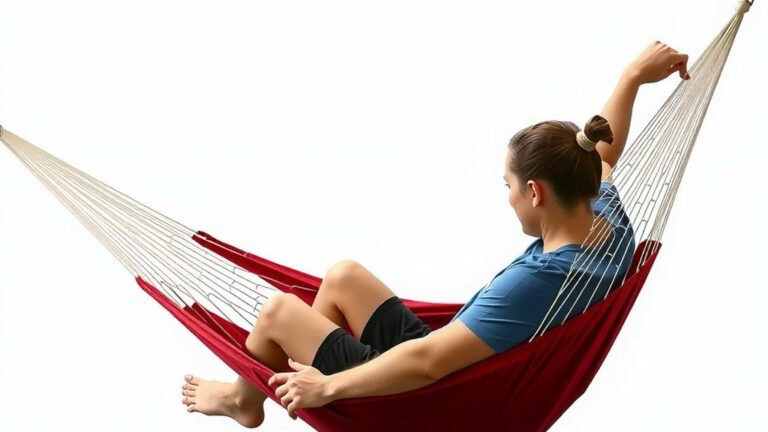
Unlike a stiff mattress, a hammock cradles you. It distributes your weight evenly. This can help keep your spine in a more neutral position. Many find this leads to less back strain. Imagine waking up without that usual morning stiffness.
Reducing Pressure Points
Mattresses can sometimes create pressure points. These are areas where your body bears too much weight. Hammocks reduce this by suspending you. This even pressure can be a relief for your hips and shoulders. You might experience less joint discomfort.
Less Tossing and Turning
Do you find yourself constantly shifting in bed? The stable, conforming nature of a hammock can help. It naturally discourages excessive movement. This means you’re less likely to wake yourself up. It supports uninterrupted sleep. You can enjoy more restful nights.
Potential Benefits for Pain Relief
For some individuals, sleeping in a hammock offers tangible pain relief. This is often linked to the improved alignment and reduced pressure. If you experience chronic pain, it might be worth exploring. Many users report a reduction in aches and pains.
Easing Back and Neck Pain
The way a hammock supports your body can be very beneficial. It can take pressure off sensitive areas of your spine. Some find this helps alleviate existing back pain. Others notice a difference in their neck discomfort. It offers a gentle, supportive embrace. Experts suggest that proper spinal alignment is key to pain management (NIH).
What About Side Sleepers?
You might wonder if hammocks are only for back sleepers. While it can take some adjustment, side sleepers can also benefit. The key is finding the right hammock and position. A wider hammock often works best. It allows you to lie more flat. This can help maintain good posture. You might find you sleep more soundly on your side.
Practical Considerations for Hammock Sleeping
Ready to give it a try? It’s important to choose the right hammock. Not all hammocks are created equal for sleeping. Look for one made from breathable fabric. It should be sturdy and large enough to stretch out in. You also need a good suspension system. Setting it up correctly is key.
Choosing the Right Hammock
Consider a camping hammock or a larger spreader bar hammock. Camping hammocks are often lightweight and durable. They are designed for comfort. Spreader bar hammocks offer a flatter sleeping surface. They can feel more like a bed. We found that breathability is also important. You don’t want to overheat. Look for one made from breathable fabric that is sturdy and large enough to stretch out in.
Setting Up for Success
Proper setup prevents discomfort. Ensure your hammock is hung at the right height. It should be about 18 inches off the ground. Angle it at roughly 30 degrees. This creates a shallow U-shape. This allows for a flatter sleeping position. A good setup is essential for comfort.
Hammock Sleeping vs. Traditional Beds: A Quick Look
Let’s compare some key differences:
| Feature | Hammock Sleeping | Traditional Bed |
|---|---|---|
| Motion | Gentle rocking, soothing | Static, can encourage tossing |
| Support | Conforms to body, even pressure | Varies by mattress type, potential pressure points |
| Spinal Alignment | Often better, more neutral | Depends on mattress quality and firmness |
| Space | Compact, portable | Larger footprint, stationary |
| Cost | Generally less expensive | Wide price range, often higher |
Is Hammock Sleeping Right for You?
Hammock sleeping offers a unique set of advantages. These range from faster sleep onset to improved physical comfort. Many find it a surprisingly effective way to get more restorative rest. You might wake up feeling more energized. It’s a simple change with the potential for big rewards. Give it a try and see how you feel!
Conclusion
You’ve learned a lot about how sleeping in a hammock can transform your rest. The gentle rocking motion can help you fall asleep faster and achieve deeper sleep cycles. Hammocks also offer unique physical benefits, like improved spinal alignment and reduced pressure points, which can lead to less tossing and turning. For many, this translates into waking up feeling more refreshed and experiencing less physical discomfort. If you’re looking for a simple change to enhance your sleep quality and overall well-being, consider giving hammock sleeping a try. Your first step is to research the right type of hammock and suspension system for your needs.
Frequently Asked Questions
Can hammock sleeping actually improve my sleep quality?
Yes, research and user experiences suggest hammock sleeping can improve sleep quality. The gentle rocking motion is found to help you fall asleep faster and potentially deepen your sleep cycles. Many people report waking up feeling more rested and refreshed than they do from a traditional bed.
Is hammock sleeping good for people with back pain?
Many individuals with back pain find relief from hammock sleeping. The way a hammock conforms to your body can promote better spinal alignment and distribute weight evenly, reducing pressure points. This can help ease discomfort that might be caused by a firm mattress.
What kind of hammock is best for sleeping all night?
For all-night sleeping, a camping hammock or a larger spreader bar hammock is often recommended. Look for one made from breathable fabric that is large enough for you to lie relatively flat. Proper setup is also key to ensuring comfort and support throughout the night.
How do I set up a hammock for comfortable sleeping?
Proper setup involves hanging your hammock at about an 18-inch height and at a roughly 30-degree angle. This creates a shallow ‘U’ shape, allowing you to lie flatter and more comfortably. Ensure the suspension is secure and adjust tension for optimal support.
Will I get too hot sleeping in a hammock?
Overheating can be a concern, but choosing the right hammock material can help. Opt for hammocks made from breathable fabrics like nylon or cotton blends. Some hammocks also have designs that allow for better air circulation, keeping you cooler during warmer nights.