Hammock Camping: Pros and Cons for Your Next Adventure
Yes, hammock camping can be a fantastic way to sleep outdoors, offering both unique comforts and some distinct challenges. It’s a great option if you’re looking for a Our guide explains why you might choose hammock camping over a tent.lighter pack weight and a truly immersive nature experience. Many campers find it provides a comfortable night’s sleep when set up properly.
Beyond just sleeping, hammock camping often means experiencing the woods from a different angle. You might find it’s less disruptive to the environment than tent camping. However, you’ll also want to be prepared for different weather conditions and consider a few key pieces of gear.
- Pros: Lightweight, comfortable sleep, good for uneven terrain, minimal impact.
- Cons: Can be colder, requires trees, setup learning curve, less space for gear.
- Best for: Backpackers, fair-weather campers, those seeking novelty.
- Key Gear: Hammock, suspension straps, bug net, tarp, underquilt.
We’ve researched and found that understanding these pros and cons will help you decide if hammock camping is your next great adventure. Let’s break down what you need to know about sleeping in a hammock in the great outdoors.
Weighing the Merits of Sleeping in a Hammock Outdoors
Hammock camping offers a unique way to experience the outdoors. You might be wondering if it’s the right choice for your next trip. We’ve researched this style of camping and found it has distinct advantages and disadvantages. It’s helpful to look at both sides before you hang your first hammock.
The Upsides: Why Hammock Camping Shines
When you’re thinking about hammock camping, the comfort factor often comes up first. Many users report a remarkably comfortable night’s sleep. The gentle sway can be soothing, and it’s often compared to floating. This can lead to less tossing and turning than you might experience in a tent.
Comfort and Sleep Quality
Unlike sleeping on the ground, a hammock suspends you. This can reduce pressure points. You might find yourself waking up feeling more rested and refreshed. Think of it like a gentle cradle. Many people find their backs feel better after sleeping in a hammock.
Lightweight and Packable Gear
For backpackers, weight is a big deal. Hammock camping gear is often lighter than a traditional tent setup. A basic hammock and suspension system can weigh significantly less. This means more room in your pack for other essentials, or just a lighter load to carry. We found that many ultralight backpackers embrace this method.
Adaptable to Uneven Terrain
Tents need relatively flat ground. Finding that perfect spot can be tough in rocky or sloped areas. Hammocks, on the other hand, don’t need flat ground. As long as you have two sturdy trees or anchor points, you can set up camp. This opens up more camping locations. You can even hang over small streams or uneven ground.
Minimal Environmental Impact
One of the nice aspects of hammock camping is its low impact on the environment. You’re not disturbing the soil or vegetation the way a tent footprint might. This is especially important in sensitive ecosystems. Many park services and conservation groups encourage practices that minimize ground disturbance. Hammocks fit this bill well.
Protection from Ground Critters
Are you nervous about bugs or small animals crawling into your sleeping area? With a hammock, you’re off the ground. While you still need a bug net, you won’t have to worry about ants or mice sharing your sleeping space. This can provide peace of mind for some campers.
The Downsides: What to Watch Out For
While hammock camping has its perks, it’s not without its challenges. You need to be aware of these potential drawbacks to be fully prepared for your trip. It’s all about managing expectations and having the right gear.
Temperature and Cold
This is perhaps the biggest concern for many. When you’re off the ground, cold air can circulate underneath you. This is called a “cold butt” issue. Your sleeping bag can compress under your weight, reducing its loft and insulating power. You’ll likely need specialized gear to stay warm.
We found that most hammock campers recommend an underquilt. This is an insulated layer that hangs on the outside of the hammock. It traps warm air and prevents the cold from reaching you. A sleeping pad placed inside the hammock can also help, though it might shift around. Many sources suggest that without proper insulation, you can get cold even in mild temperatures (REI).
The Need for Anchor Points
You simply cannot hammock camp without trees or suitable anchor points. If you plan to camp in open areas like deserts or treeless plains, a hammock won’t work. You need two strong trees spaced correctly. This limits where you can set up camp compared to a tent.
Even if there are trees, their health matters. You should always choose healthy, mature trees. Avoid dead or diseased trees. Using tree straps is also essential to protect the bark. We found that understanding tree selection and proper strap use is key to responsible hammock camping.
Learning the Setup
Setting up a hammock system can have a learning curve. It’s not as simple as pitching a tent. You need to understand how to properly attach your suspension, set the hang angle, and position your tarp. Getting the tension just right takes practice. Some users find it frustrating at first.
A good hang angle is often described as a gentle curve, not too saggy and not too tight. We researched that a common recommendation is to aim for a 30-degree angle. Your tarp needs to be positioned to protect you from rain and wind. It can take a few tries to get it right and make it comfortable and secure. Understanding the good hang angle is crucial for comfort.
Limited Interior Space
Hammocks are designed for sleeping, not for lounging around inside. There’s very little room for gear. You can’t sit up and play cards or read a book comfortably inside your hammock. Most of your equipment will need to be stored in a pack that you place on the ground, under a tarp, or potentially in a gear sling. This can be less convenient than having everything within reach in a tent.
Shelter from Weather
While a tarp offers rain protection, it might not be as robust as a tent’s. Wind can be an issue. A tarp can flap and be noisy. Depending on the tarp design, it might offer less protection from driving rain or strong winds than a well-pitched tent. You need to learn how to pitch your tarp effectively for different conditions.
Essential Hammock Camping Gear Checklist
To make your hammock camping experience successful, consider these key items:
- Hammock: Your main sleeping platform.
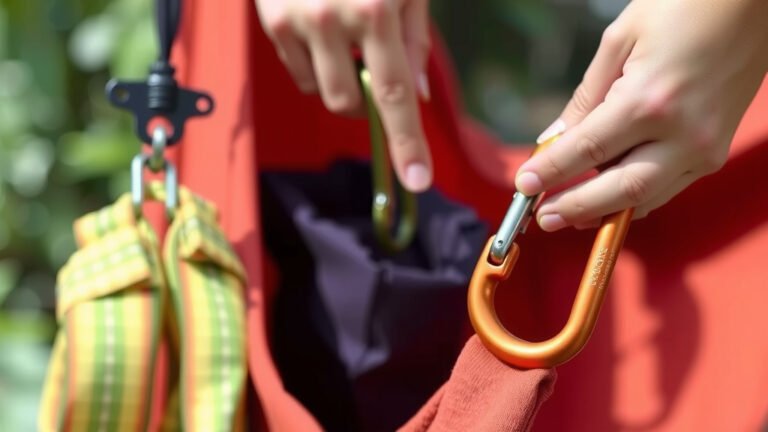
- Suspension System: Straps to attach your hammock to trees.
- Bug Net: Keeps insects out for a peaceful night.
- Tarp: Provides shelter from rain and sun.
- Underquilt: Crucial for staying warm in cooler temperatures.
- Top Quilt or Sleeping Bag: For warmth inside the hammock.
A Quick Comparison: Hammock vs. Tent
Here’s a simple way to see the differences:
| Feature | Hammock Camping | Tent Camping |
|---|---|---|
| Comfort | Often very comfortable, gentle sway | Comfort depends on ground surface and pad |
| Weight | Generally lighter | Can be heavier, especially for larger tents |
| Terrain Needs | Requires two sturdy anchor points (trees) | Needs relatively flat ground |
| Cold Weather Prep | Requires specialized insulation (underquilt) | Sleeping bag and pad usually sufficient |
| Setup Difficulty | Can have a learning curve | Generally straightforward |
| Gear Storage | Limited inside hammock; often on ground | Ample space inside tent |
| Environmental Impact | Minimal ground disturbance | Can disturb soil and vegetation |
Conclusion
Hammock camping offers a unique blend of comfort and adventure. You’ll enjoy a lighter pack and a great sleep off the ground. Remember, staying warm requires the right gear like an underquilt. You also need to find suitable trees for your setup. By understanding these pros and cons, you can make an informed decision.
Ready to try it? Your next step is to research specific hammock systems and practice setting one up in your backyard before heading out.
Frequently Asked Questions
Will I get cold sleeping in a hammock?
You can definitely get cold if you don’t prepare. The air underneath you can cause heat loss. We found that using an underquilt is the most effective way to prevent this. A good sleeping bag or top quilt is also essential for warmth.
What are the best trees to hang a hammock from?
Look for healthy, mature trees that are at least 6-12 inches in diameter. Avoid any trees that look dead, diseased, or have signs of rot. Always use wide tree straps to protect the bark from damage.
Can I hammock camp in the desert or on the plains?
No, hammock camping typically requires trees or sturdy anchor points. If your camping location is open and lacks trees, a tent would be a more suitable option. Some campers use trekking poles or specialized stands, but this adds weight and complexity.
How do I keep bugs out of my hammock?
A bug net is a must-have item for hammock camping. These nets usually zip around your hammock, creating a protective barrier. You’ll want to ensure it’s fully enclosed to keep even the smallest insects away.
Is hammock camping really lighter than tent camping?
Often, yes, especially for solo backpackers. A basic hammock setup can weigh less than many backpacking tents. However, when you add specialized cold-weather gear like an underquilt, the weight can increase. It’s worth comparing the total weight of your chosen hammock system against your tent setup.