
How to Landscape Around a Hammock for a Cozy Yard Retreat
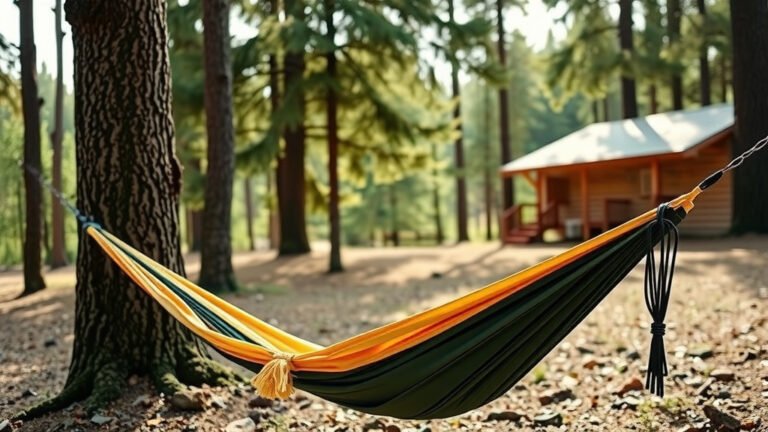
The best way to landscape around a hammock is to start with the ground underneath it. Add a soft, low-maintenance base like mulch, gravel, or shade-tolerant ground cover, then frame the area with plants that won’t drop debris on your nap spot. Think of it as building a cozy little retreat zone around your hammock, not just filling empty yard space.
Why does this matter? Because a hammock floating in a bare patch of grass looks lonely, and one under a messy tree meansConstant leaf cleanup. We researched what works best and found that the right plant choices, shade planning, and ground cover can turn a simple hammock into your favorite corner of the yard. Many experts say low-growing, non-shedding plants near seating areas keep upkeep low and comfort high.
Here’s the short version:
- Pick a spot with the right mix of sun and shade before you hang anything.
- Lay down mulch, gravel, or ground cover under and around the hammock.
- Choose tough, tidy plants that won’t drop leaves or attract bees to your face.
- Add simple extras like stepping stones, lighting, or a side table.
- Keep everything trimmed back so branches and plants stay friendly, not grabby.
Ready to turn that hammock into a backyard escape? Below, we walk through each step of landscaping around a hammock, from picking the perfect spot to the finishing touches.
Creating the Perfect Setting for Your Hammock
The smartest first move is choosing where your hammock will live. Everything else — plants, ground cover, lighting — flows from that one decision. Get the location right, and the rest of the project feels easy.
Picking the Right Spot in Your Yard
Look for a place that gets morning sun and afternoon shade, or at least some relief from direct heat. Full shade feels cool, but damp ground under heavy trees can stay muddy. Full sun turns your nap spot into a skillet by 2 p.m.
We found that the sweet spot is usually near a large tree line or fence on the west side of your yard. That blocks the harshest light. If you have no natural shade, a simple pergola or shade sail does the job.
Also think about wind. A breezy hammock is fine; a wind tunnel is not. Stand in the spot for a few minutes and see how it feels before you commit.
Choosing Between Trees, Posts, and Stands
Most people picture the classic setup: two sturdy trees. That works, but only if the trees are healthy, mature, and the right distance apart. Many arborists recommend checking for dead limbs overhead before you lounge underneath anything (USDA Forest Service).
- Trees: Free shade, natural look. Trunks must be at least 8 inches thick.
- Wood or steel posts: Total control over placement. You can put them anywhere.
- Stands: No digging, no drilling. You can move your whole setup when the mood strikes.
If your trees are questionable, don’t force it. Posts and stands let you build the retreat wherever your yard works best.
Ground Cover Options Under and Around a Hammock
What goes under your hammock matters as much as what hangs above it. Bare grass under a hammock dies fast from foot traffic and shade. That dead patch then turns to mud after every rain. Sound familiar?
| Ground Cover | Best For | Upkeep | Cost |
|---|---|---|---|
| Wood mulch | Soft landing, natural look | Refresh yearly | Low |
| Pea gravel | Drainage, permanent fix | Almost none | Medium |
| Creeping ground cover | Green, lush feel | Light trimming | Low |
| Rubber mulch | Never breaking down | None | Medium |
| Decomposed granite | Clean, modern style | Rake occasionally | Medium |
Mulch, Gravel, or Living Plants?
Mulch is the crowd favorite. It’s soft underfoot, cheap, and keeps weeds down. Spread it 2 to 3 inches deep over landscape fabric for the best weed control.
Pea gravel wins for wet climates. Water drains right through, so you never track mud into the house. Add a thin border of pavers or steel edging to keep the stones in place.
Living ground cover like creeping Jenny, sweet woodruff, or clover gives you that storybook garden feel. Many gardening extension services note that clover stays green with far less water than turf grass. Just keep it trimmed back from where your feet touch the ground.
Keeping the Base Comfortable and Clean
Whatever you choose, define the zone first. Mark a circle or rectangle around the hammock — about 3 feet wider than the hammock on every side. Then install your base inside that border. Edging keeps mulch from wandering and grass from creeping in.
Best Plants to Frame a Hammock Area
The secret to hammock-side planting is choosing tidy, low-growing plants. You want greenery that looks great but doesn’t shed, sting, or snack on your relaxation time.
Plants That Stay Tidy in Shady Spots
- Hostas: lush leaves, almost zero mess, thrive in shade.
- Ferns: soft texture and they love hammock-style shade.
- Coral bells: colorful foliage that stays compact.
- Ornamental grasses (small types): gentle movement and sound in the breeze.
- Liriope: a tough border plant that handles shade and sun.
Many landscape professionals suggest avoiding plants near seating that attract stinging insects or drop heavy debris (Penn State Extension). Lavender looks lovely, for example, but the bees adore it — maybe not the guest you want three feet from your face.
What to Avoid Planting Nearby
Steer clear of messy trees like sycamores, sweet gums, and cottonwoods. Seed pods, spiky balls, and cotton fluff will turn every nap into a cleanup chore. Also skip anything thorny near your landing zone. Roses and hammocks do not mix — trust us on that one.

Finishing Touches That Make It Feel Like a Retreat
Now for the fun part. Once the bones are in place, small extras turn a hammock into a destination.
Stepping Stones, Lighting, and Side Tables
Lay stepping stones from your patio or door to the hammock. They protect your ground cover from worn footprints and give the space a clear path. Solar path lights along that walkway cost little and add a soft glow for evening lounging. Many sleep experts suggest dim, warm lighting in the hours before bedtime to help your body wind down (CDC). A gentle backyard glow fits right into that plan.
Keep a small side table or weatherproof basket nearby for a book, a drink, or your phone. Bonus points for a hook for towels or a light blanket.
Privacy and Windbreak Ideas
If your yard feels a little too public, plant a row of clumping bamboo in planters, install a simple lattice, or add tall ornamental grasses. These create a green wall without the cost of a fence. A freestanding trellis with a climbing vine works well too — just keep it a few feet from the hammock so nothing grabs at you mid-swing.
Your Hammock Zone Setup Checklist
Before you fire up the grill and invite friends over, run through this quick list:
- Pick a spot with partial shade and some wind shelter.
- Confirm trees or anchors are strong and healthy.
- Define the zone with edging, wider than the hammock by 3 feet.
- Install mulch, gravel, or ground cover over landscape fabric.
- Plant tidy, shade-friendly greenery — nothing thorny or bee-magnetic.
- Add stepping stones, lights, and a small table for the finishing touch.
One last tip from our research: check the hammock itself each season for fraying ropes or rusted hardware. Many product safety experts recommend routine checks on any weight-bearing outdoor gear (Consumer Product Safety Commission). A two-minute look keeps your retreat safe for years of lazy afternoons.
Conclusion
Turning a bare spot in your yard into a hammock retreat comes down to a few smart choices. Pick a location with the right mix of shade and shelter, lay down a soft or well-drained base, and frame it with tidy, low-maintenance plants. From there, stepping stones, warm lighting, and a little privacy make it feel like a true destination. We found that the smallest touches often make the biggest difference. So grab your hammock, measure your space, and start with the ground cover this weekend — your future afternoon naps will thank you.
Frequently Asked Questions
How far should plants be from a hammock?
Keep most plants at least 2 to 3 feet from the edge of your hammock. This gives you room to get in and out without brushing against leaves. It also keeps thorny or tall growth from catching you mid-swing.
Can I put a hammock in a small yard?
Absolutely. A freestanding hammock stand needs only about 10 to 12 feet of space. Add one container plant and a small patch of gravel, and even a compact patio can feel like a mini retreat.
What should I put under a hammock if my dog uses the yard?
Wood mulch or clover are your safest bets. Avoid cocoa mulch, which can be toxic if eaten, and skip pea gravel if your dog likes to dig. Rubber mulch stays put but can get hot in direct sun.
Do I need to worry about roots when hanging a hammock between trees?
Heavy foot traffic around a trunk can compact soil and stress roots over time. Spreading mulch in a wide, shallow ring under the trees helps protect them. Just keep mulch a few inches away from the trunk itself so it doesn’t trap moisture against the bark.
How do I keep weeds out of my hammock area without chemicals?
Lay landscape fabric or several layers of cardboard under your mulch or gravel before installing it. That single step blocks most weeds for a season or two. Pull any strays by hand while they’re small, and refresh the top layer yearly.