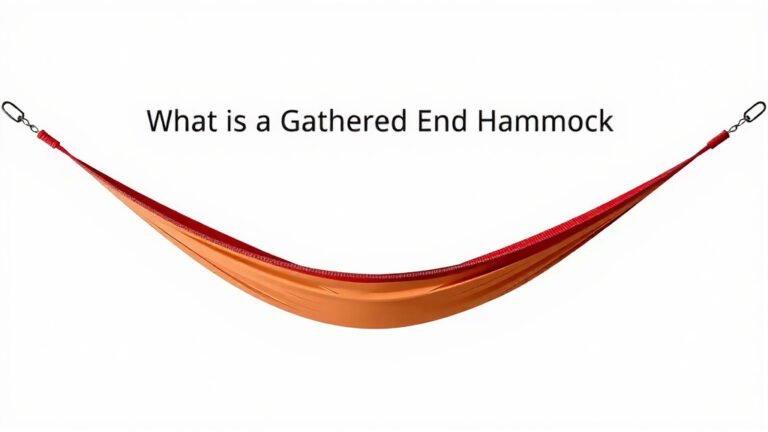
The Best Hammock for Sleeping: Your Ultimate Guide
Finding the best hammock for sleeping depends on your needs, but generally, a lightweight, durable nylon hammock offers the most comfort and versatility for restful nights. Look for models with a generous length and width to avoid feeling cramped. Many campers and outdoor enthusiasts prefer these because they pack small and set up easily.
When choosing, consider your intended use: backyard lounging, car camping, or backpacking. Hammocks designed for sleeping often feature integrated bug nets and rain tarps for a complete setup. We found that the right hammock can transform your outdoor experience from good to absolutely amazing, providing a comfortable alternative to sleeping on the ground.
- Nylon is king for sleeping hammocks.
- Look for generous size for comfort.
- Consider integrated bug nets and tarps.
- Your use case (backyard vs. backpacking) matters.
Let’s walk through the key features and types to help you pick the perfect hammock for your best sleep ever.
Choosing Your Ideal Hammock for Sleeping Outdoors
So, you’re thinking about swapping your tent for a hammock? Smart move! Finding the best hammock for sleeping can seriously upgrade your outdoor adventures. It’s not just about casual lounging; a well-chosen hammock offers comfort and a unique way to connect with nature. We’ve done the research to help you pinpoint the perfect one.
The core idea is simple: suspended comfort. Instead of a flat, often lumpy ground, you get a gentle cradle. This can be a game-changer for back pain and for just feeling more relaxed under the stars. Let’s break down what makes a hammock great for sleeping.
Key Features That Define a Sleeping Hammock
Not all hammocks are created equal, especially when you plan to sleep in them all night. Certain features move a hammock from “nice to have” to “absolutely essential” for a good night’s rest.
Material Matters: Durability Meets Comfort
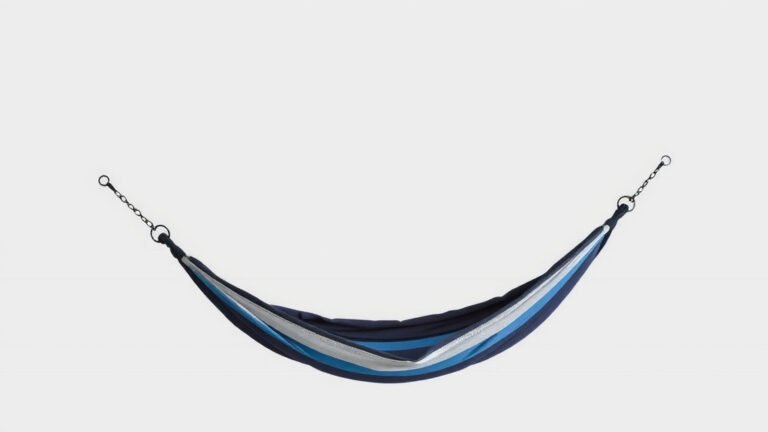
When you’re looking for a hammock to sleep in, nylon is your best friend. Specifically, ripstop nylon is a favorite among campers and backpackers. Why? It’s incredibly strong, yet lightweight and packs down small. This material is also breathable, which helps prevent overheating on warmer nights.
You’ll often see hammocks made from polyester, too. While durable, polyester tends to absorb more moisture and can feel a bit stiffer than nylon. For sleeping comfort, nylon generally wins. Many experts recommend looking for hammocks with a high denier rating within the nylon, as this indicates thicker, stronger threads, leading to better durability (REI).
Size and Shape: Room to Stretch Out
This is a big one! You don’t want to feel like a tightly rolled burrito all night. A hammock that’s too short or too narrow will force you into an uncomfortable, curved position. This is often called the “banana effect,” and it’s not conducive to sleep.
We found that hammocks offering a generous length and width are key. Look for models that are at least 9 to 10 feet long and 5 to 6 feet wide. This extra space allows you to lie flatter, diagonally, which is the most comfortable way to sleep in a hammock. It distributes your weight more evenly, reducing pressure points.
Integrated Features for a Complete Sleep System
What else can elevate your sleeping hammock experience? Think about built-in extras. Many hammocks designed for sleeping come with integrated features to combat the elements.
Bug Protection is Non-Negotiable
Mosquitoes, gnats, and other biting insects can quickly ruin a peaceful night. That’s why hammocks with an integrated bug net are so popular. These nets zip around the entire hammock, creating a barrier. They’re usually made of fine mesh to keep even the tiniest pests out while still allowing for airflow.
If your hammock doesn’t have a built-in net, you’ll need to buy one separately. It’s worth the investment if you plan to sleep outdoors in areas with insects. Remember to check the mesh size; smaller is better for keeping out smaller bugs.
Staying Dry Under the Stars
Rain happens. Even a light drizzle can make sleeping uncomfortable if you’re exposed. Many sleeping hammock systems include a rain tarp, also known as a rainfly. These tarps are typically made of waterproof or water-resistant material and are suspended above your hammock.
The size and shape of the tarp matter. A larger, well-shaped tarp will offer better coverage and protect you from wind-driven rain. Some tarps are designed to integrate perfectly with the hammock, while others are more universal.
Different Types of Hammocks for Sleep
When you start looking, you’ll see a few common types. Knowing the difference will help you choose the right one for your needs.
The Classic Camping Hammock
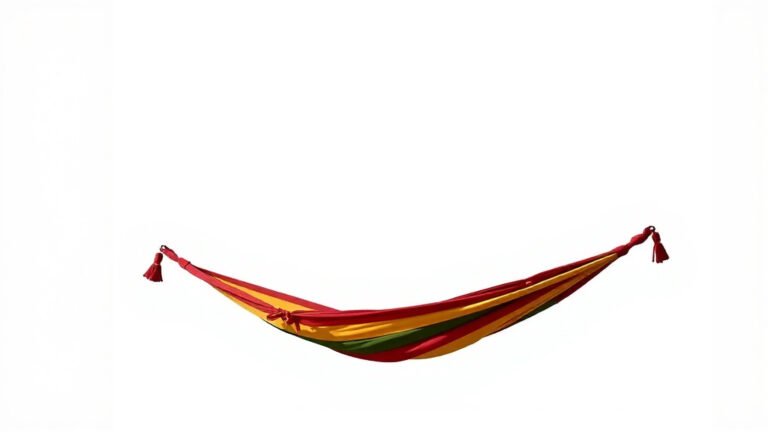
This is likely what comes to mind when you think of a camping hammock. It’s typically a single layer of nylon or polyester fabric with strong suspension systems. These are lightweight and versatile. For sleeping, you’ll want to ensure it’s long and wide enough, and consider adding a bug net and tarp.
The All-in-One Hammock System
These are designed to be a complete sleep solution. They often come with an integrated bug net, a rain tarp, and sometimes even a built-in pillow or insulation. They are fantastic for car camping or if you want maximum convenience and don’t mind a slightly larger pack size. Think of it as a portable, suspended bed.
Double Hammocks for Sharing (or Spreading Out)
While called “double,” these are often excellent for solo sleepers who want extra room. If you plan to share your hammock, a double is a must. They offer ample space for two people, though sleeping comfortably for extended periods might still be a challenge for some. For solo sleepers, a double provides that luxurious extra space to really stretch out.
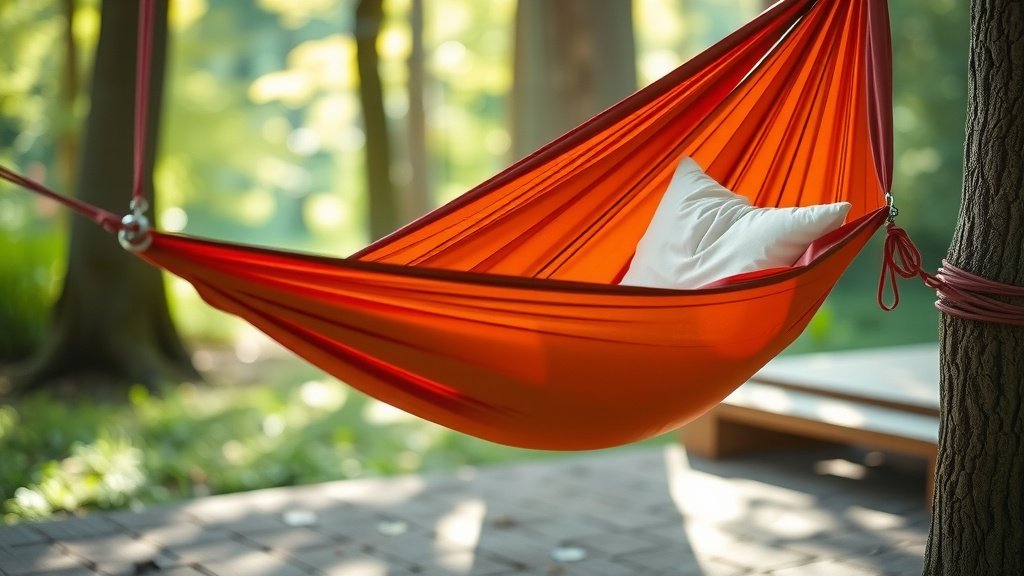
Making Your Hammock a True Bed
A hammock is the foundation, but a few accessories can turn it into a cozy bed.
Underquilts for Warmth
Here’s a little-known secret: when you lie in a hammock, your body weight compresses the insulation beneath you (if you use a sleeping pad). This means you lose heat rapidly. An underquilt is an insulated quilt that hangs *under* your hammock. It creates a pocket of warm air, keeping you toasty. Many experts agree underquilts are essential for comfortable hammock camping in cooler weather (Backpacking Light).
Top Quilts and Sleeping Pads
While an underquilt handles the bottom insulation, you’ll still need something on top. A top quilt is essentially a sleeping bag without the back panel, designed to work with an underquilt. You can also use a traditional sleeping bag, but you might find it restrictive. Some people still opt for a sleeping pad in their hammock, especially if they don’t have an underquilt. If you do, choose a thinner, closed-cell foam pad, as inflatable ones can shift around.
Hammock Straps for Tree Protection
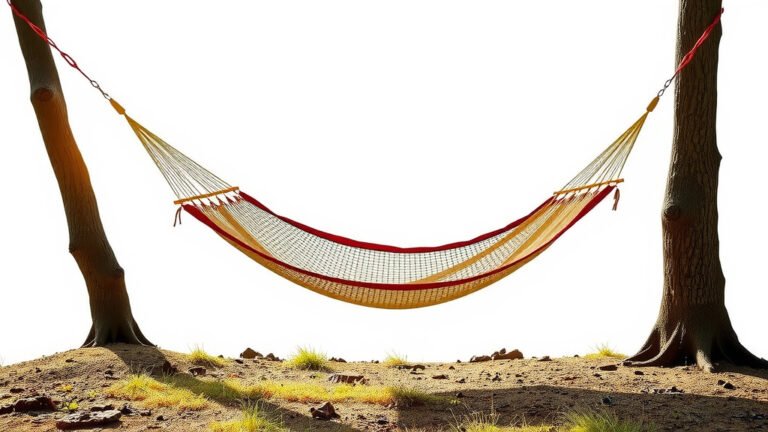
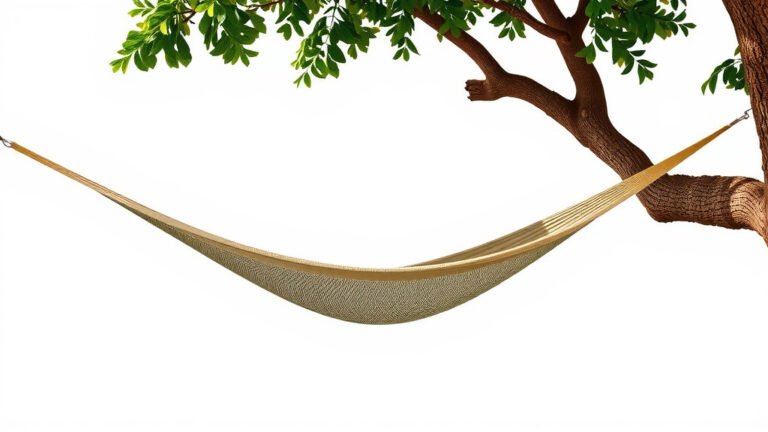
When setting up your hammock, using wide, tree-friendly straps is crucial. These distribute the pressure on the bark, preventing damage to the trees. Avoid thin ropes or chains that can cut into the tree. Most reputable hammock brands will either include these or recommend them.
Your Hammock Sleeping Checklist
Ready to pick out your perfect sleeping hammock? Here’s a quick checklist to guide you:
- Material: Prioritize ripstop nylon for durability and comfort.
- Size: Aim for at least 9-10 feet long and 5-6 feet wide.
- Bug Net: Essential for insect-prone areas; look for integrated or plan to buy one.
- Rain Tarp: Consider one for protection from the elements.
- Insulation: Plan for an underquilt for cooler temperatures.
- Suspension: Ensure you have tree-friendly straps.
Conclusion
You’re now ready to choose the best hammock for sleeping. We found that prioritizing ripstop nylon for its durability and comfort is key. Don’t forget about size; a generous length and width allow for a more natural sleeping position. Consider integrated features like bug nets and rain tarps for complete protection. With these factors in mind, you can confidently select a hammock that will provide you with comfortable nights outdoors. Your next adventure awaits – get ready for a better sleep!
Frequently Asked Questions
Can I really sleep comfortably in a hammock all night?
Yes, with the right setup! We found that avoiding the “banana effect” by choosing a long and wide hammock is essential. Adding accessories like an underquilt for warmth and a good pillow makes a huge difference for true overnight comfort.
What’s the difference between a camping hammock and a backpacking hammock?
Generally, backpacking hammocks are designed to be ultra-lightweight and pack down very small. Camping hammocks might be slightly heavier but can offer more comfort or integrated features for ease of use in a campsite. Both can be great for sleeping, depending on your priorities.
Do I need a rain tarp if I never camp in bad weather?
While not always necessary, a rain tarp offers peace of mind even on forecasts of clear skies. We found that unexpected showers can still happen, and a tarp can also provide shade or a windbreak, enhancing your overall comfort.
Are double hammocks better for sleeping than single hammocks?
A double hammock can be excellent for solo sleepers who want extra space to lie flatter and spread out. If you plan to share, a double is a must. For one person, the extra width simply adds a layer of comfort and flexibility.
How do I keep warm in a hammock during cooler weather?
The key to staying warm is insulation from underneath. We discovered that a traditional sleeping pad loses its effectiveness as your body weight compresses the fill. An underquilt, which hangs below your hammock, is the best solution for trapping warm air and preventing heat loss.