Can You Hang a Hammock on Your Deck Safely
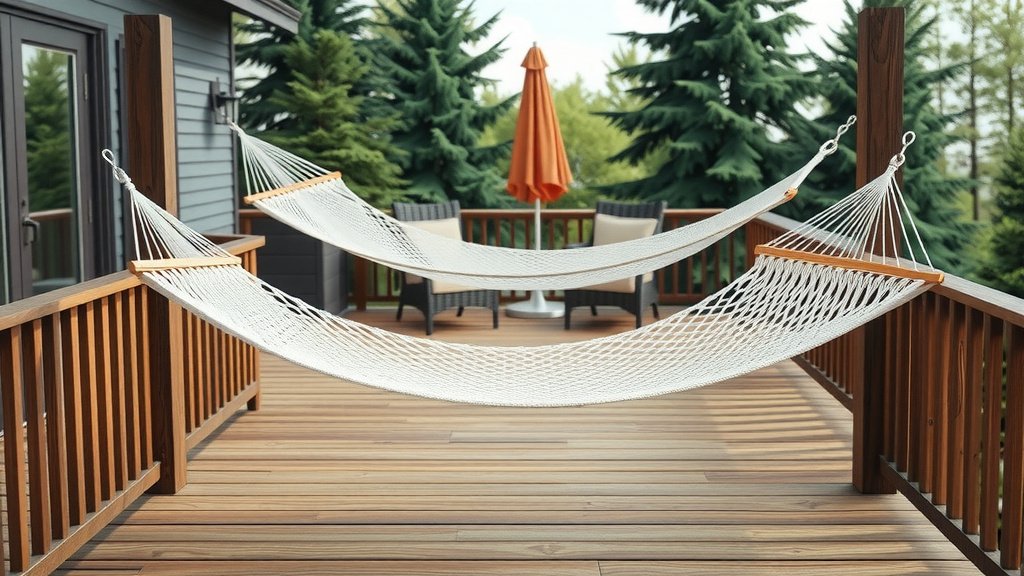
Yes, you absolutely can hang a hammock on your deck, provided you use the right hardware and a sturdy structure. Many decks can support the weight of a hammock, but it’s essential to ensure your deck joists or posts are strong enough. You’ll want to use heavy-duty hammock hooks designed for outdoor use.
Hanging a hammock adds a fantastic spot for relaxation right outside your door. We found that with careful planning, you can create a cozy hammock haven without needing separate trees or a hammock stand. Just be sure to consider the total weight capacity of your deck and hammock setup.
- Yes, you can hang a hammock on a deck.
- Use strong, deck-specific hardware.
- Check your deck’s weight-bearing capacity.
- Proper installation is key for safety.
Ready to create your perfect deck hammock spot? Let’s walk through exactly how to do it safely and securely.
“`htmlAttaching a Hammock to Your Deck: A Secure Guide
You’re likely wondering if your deck is strong enough for a hammock. The short answer is usually yes! Most decks are built to handle substantial weight. Hanging a hammock can transform your deck into a cozy retreat. It’s a fantastic way to enjoy your outdoor space. We’ve found that with the right approach, it’s totally doable. You don’t need trees or a separate stand. Let’s get into the details of making it happen safely.
Assessing Your Deck’s Strength for Hammock Duty
Before you even think about hardware, it’s smart to check your deck’s foundation. Think of it like checking the ingredients before you bake a cake. Is your deck up to the task? You need to be sure it can support the dynamic weight of someone relaxing. This includes the weight of the person plus the hammock itself. It also accounts for movement, like shifting or gently swaying.
Understanding Deck Joists and Supports
Your deck’s joists are the structural beams running underneath the decking boards. These are typically spaced about 16 inches apart. They bear most of the weight. You’ll need to attach your hammock hardware to these joists or to sturdy posts. Simply screwing into the decking boards alone won’t be safe. We recommend looking for joists that are at least 2 inches thick. Thicker joists offer more stability.
What About Deck Posts?
If your deck has support posts, these are often excellent anchor points. Deck posts are usually much sturdier than joists. They are designed to hold up the entire structure. Make sure these posts are well-anchored into the ground. A wobbly post means a wobbly hammock. Research suggests that posts set at least 3 feet deep are generally stable (National Association of Home Builders).
Weight Capacity Considerations
It’s wise to consider the total weight your deck can hold. While a deck can support a lot, it’s not infinite. A typical hammock might hold 300-400 pounds. Add a person, and you’re looking at a significant load. Some decks are stronger than others, depending on their age and construction. If your deck feels weak or you’re unsure, it’s best to consult a professional contractor. They can assess its load-bearing capacity accurately.
Choosing the Right Hammock Hardware for Your Deck
The hardware you choose is incredibly important. It’s the direct link between your hammock and your deck. Using the wrong type of hook can lead to damage or, worse, a fall. We found that hardware specifically designed for decks is your best bet. These are made to handle outdoor conditions and the stress of hanging weight.
Deck Hooks vs. Other Options
You might see different types of hooks out there. Some are designed for ceilings, others for walls. For your deck, you need robust, load-bearing hooks. Look for items labeled as “deck hooks” or “heavy-duty outdoor hammock hooks.” They often have a U-shape or eyelet design. Ensure they are made from rust-resistant material like stainless steel or galvanized metal. This keeps them strong even in rain or humidity.
Types of Deck Hammock Hardware
There are a few popular styles. You have the lag screw eye hooks, which are common. You also have specialized deck-mount hammock hardware. These often come with a larger plate for added support. Some even have a carabiner-style attachment. Whatever you choose, make sure it’s rated for the weight you intend to hang. Check the manufacturer’s specifications carefully.
Installation: Where to Place Your Hooks
Placement is key for comfort and safety. You generally want your hammock to hang at a slight angle. This makes it easier to get in and out of. The standard advice is to space your anchor points about 10-15 feet apart. For a deck, this usually means using two different joists or posts. Measure the length of your hammock. Add a bit of extra slack for comfort. Aim for the hooks to be roughly the length of your hammock apart.
Finding the Joists or Posts
You’ll need to locate your deck joists. A stud finder can help with this, even on decks. Tap on the surface; a hollow sound often means there’s no joist beneath. A solid thud indicates you’ve found one. Alternatively, you can carefully lift a decking board to see where the joists are. For posts, they are usually more obvious around the perimeter of your deck.
Drilling Pilot Holes
Always drill pilot holes before screwing in your hooks. This prevents the wood from splitting. The pilot hole should be slightly smaller than the screw threads. Research suggests the hole diameter should be about two-thirds the diameter of the screw shank (Woodworking for Mere Mortals). This ensures a tight fit without damaging the wood.
A Quick Checklist for Installation Success
Let’s recap the essential steps. This will help ensure your hammock is secure:
- Locate strong joists or posts for anchoring.
- Measure the distance needed for your hammock length plus slack.
- Mark the exact spots for your hardware.
- Drill pilot holes correctly sized for your hardware.
- Securely screw in your heavy-duty deck hooks.
- Double-check that everything feels sturdy and stable.
Safety First: Ensuring a Secure Hammock Experience
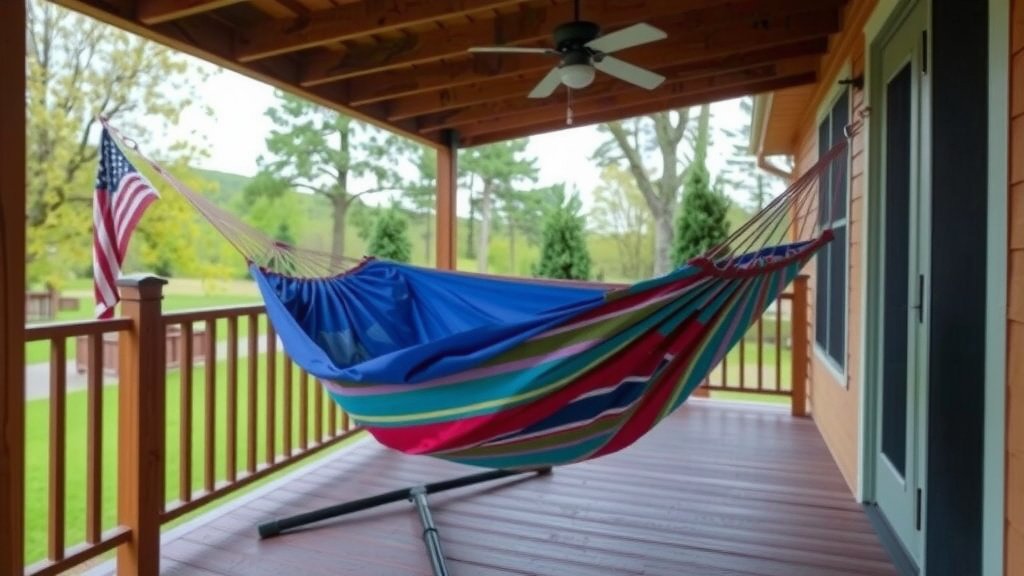
Safety is non-negotiable when hanging a hammock. You want to relax, not worry about your setup failing. It’s like ensuring your car brakes are working before you drive. A few checks can make all the difference. Many experts stress the importance of regular inspections.
Testing the Strength Before You Relax
Once your hooks are installed, give them a good tug. Hang from them yourself, gently at first. Then, apply more weight gradually. You want to be confident they can handle full body weight and movement. It’s also a good idea to test the hammock itself. Check all the stitching and connection points on the hammock fabric. We found that worn or damaged hammocks can be a safety risk.
Weight Limits: What You Need to Know
Always pay attention to the stated weight limits for both your hammock and your hardware. Don’t exceed these limits. It’s not just about static weight. It’s about the stress and strain from bouncing or sudden movements. Many hammock manufacturers and hardware makers provide clear weight ratings (REI, Hammock Bliss). Adhering to these guidelines is vital for preventing accidents.
Considerations for Different Deck Types
While many decks work, some might pose challenges. Older decks might have weakened wood. Decks with composite or vinyl decking boards may not offer direct support. You might need to go through the decking to reach the joists. If you have a screened-in porch, ensure the frame is robust enough. Always assess your specific deck structure carefully. When in doubt, consulting a professional is a smart move. They can offer tailored advice for your situation.
“`Conclusion
You can absolutely turn your deck into a relaxing hammock oasis. By focusing on strong deck joists or posts and using heavy-duty, deck-specific hardware, you create a safe and enjoyable space. Always remember to assess your deck’s weight capacity and never exceed the limits of your hammock or hardware. With a little care in installation and regular checks, your deck hammock will be ready for countless lazy afternoons. Your next step? Gather your chosen hardware and start measuring for your perfect spot!
Frequently Asked Questions
How far apart should hammock hooks be on a deck?
Generally, you’ll want your anchor points to be about 10 to 15 feet apart. This distance allows your hammock to hang with a comfortable drape. Measure your hammock’s length and add a bit of slack for the best lounging position.
Can I hang a hammock from my deck railing?
It’s generally not recommended to hang a hammock directly from your deck railing. Railings are often not designed to support the dynamic weight of a person in a hammock. Always aim to anchor into the main structural elements like joists or posts.
What kind of screws should I use for hammock hooks on a deck?
You should use heavy-duty lag screws specifically designed for outdoor use, like galvanized or stainless steel lag screw eye hooks. These are strong and resistant to rust. Ensure they are long enough to securely embed into the deck joists or posts.
My deck boards are composite. Can I still hang a hammock?
Yes, you can hang a hammock from a deck with composite boards, but you’ll need to attach the hardware to the underlying wooden joists. Composite boards themselves aren’t strong enough to bear the weight. You may need to drill through the composite to reach the joists below.
How often should I inspect my deck hammock hardware?
It’s wise to inspect your hammock hardware at least once a year, and before each season of use. Look for any signs of rust, wear, or loosening. Gently test the hooks by pulling on them to ensure they remain securely fastened to the deck.