Best Wood for Hammock Stand: Top Choices
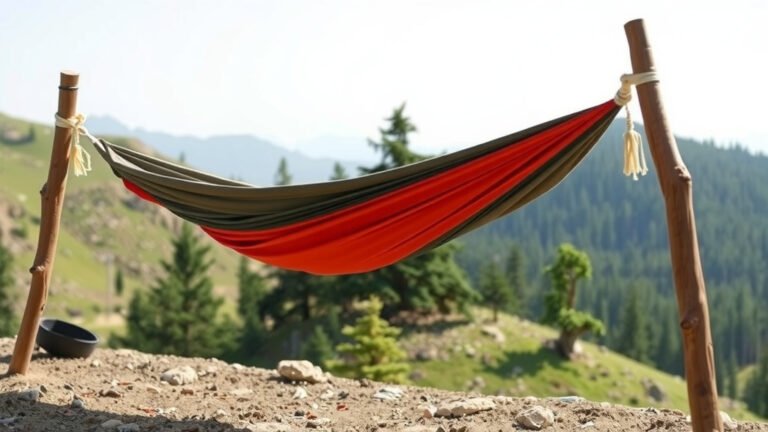
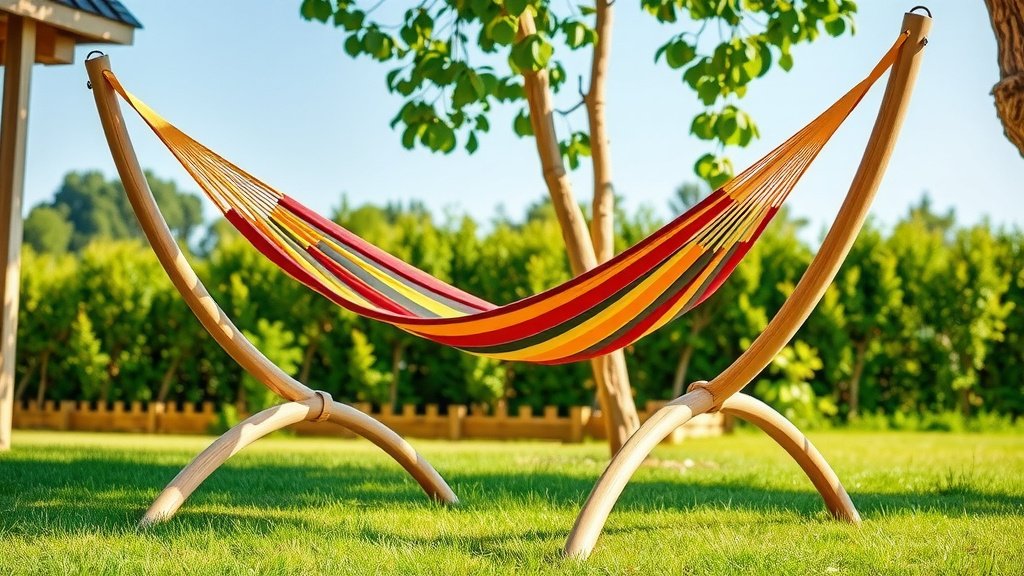
When choosing wood for your hammock stand, **teak** and **cedar** are your top contenders for their natural durability and beauty. These woods are incredibly resistant to rot and insects, which means your stand will last for many seasons. You’ll want a wood that can handle the sun, rain, and humidity without falling apart. We found that these two types offer the best balance of strength and weather resistance.
While other woods might seem like a good idea, they often require a lot more upkeep. Hardwoods like oak can be strong, but they are much heavier and more expensive. Softwoods like pine are affordable, but they just don’t stand up well to the elements. Getting the right wood upfront saves you time and money in the long run. A good hammock stand is an investment in your relaxation.
- Teak and cedar are the best woods.
- They are naturally resistant to rot and bugs.
- This means your stand will last longer.
- Other woods often need more care or don’t hold up well.
- Choosing the right wood saves you hassle later.
Let’s dive into why these woods are so great and what you should look for when making your selection.
Choosing the Right Wood for Your Hammock Stand
So, you’ve got the hammock, you’ve got the perfect spot, but what about the stand? The material of your hammock stand makes a big difference. It’s not just about looks; it’s about durability and how much work you’ll have to do to keep it looking good. We’ve researched the best options for you.
Why Wood for Your Hammock Stand?
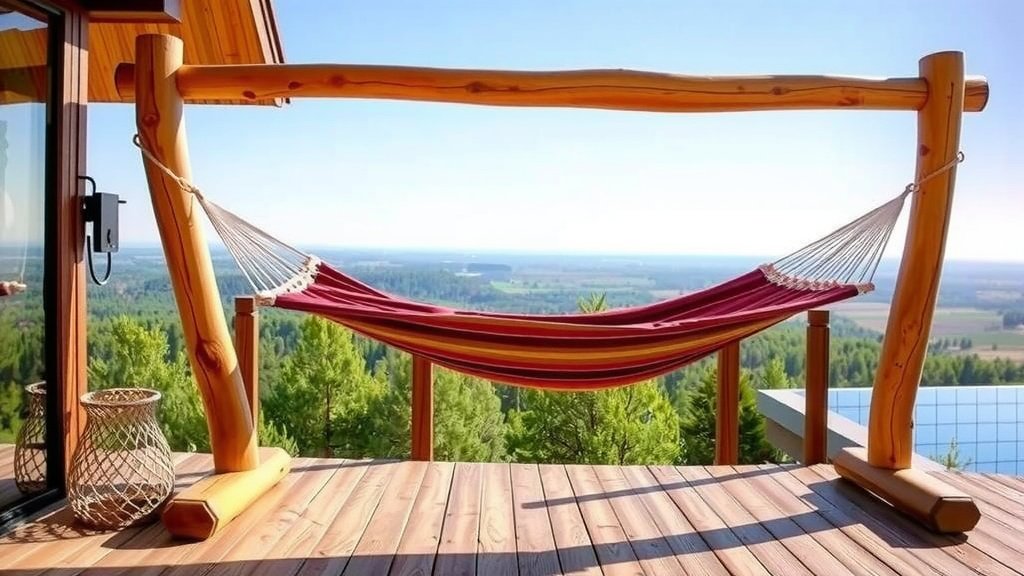
You might wonder why wood is a popular choice for hammock stands. It offers a natural, rustic appeal that plastic or metal simply can’t match. Wood feels warm and inviting. It blends beautifully with outdoor environments, whether it’s on your patio, deck, or nestled among trees. Plus, when you pick the right kind of wood, it’s incredibly sturdy and built to last.
The Appeal of Natural Materials
There’s something about natural materials that just feels right for relaxation. Wood brings an organic touch to your outdoor space. It can create a serene atmosphere, perfect for unwinding. Think about the cozy cabin feel or a serene garden oasis. Wood helps you achieve that easily.
Durability and Weather Resistance
The biggest factor for an outdoor item like a hammock stand is how it handles the weather. Rain, sun, humidity, and even insects can take a toll. We looked for woods that naturally resist these elements. You want a stand that can stay outdoors year-round without special coverings or constant care. This means less worry for you and more relaxation time.
Top Wood Choices for Hammock Stands
Based on our research, two types of wood consistently stand out for their excellent balance of beauty, strength, and weather resistance. These are the ones that experts and seasoned DIYers often recommend.
Teak: The Premium Choice
Teak is often called the “king of woods” for outdoor furniture, and for good reason. It’s a tropical hardwood that’s naturally rich in oils. These oils make it highly resistant to water, decay, and insects. You’ll find teak used in boat decks and high-end outdoor furniture because it’s so tough.
Teak’s Natural Defenses
The high natural oil content in teak acts as a shield. It repels water, preventing rot and swelling. This same oil content also makes it unappetizing to termites and other wood-boring insects. Many guidelines for outdoor wood care suggest teak as a top-tier option due to these built-in defenses (Forest Products Laboratory).
Appearance and Feel
Teak has a beautiful golden-brown color that ages gracefully to a silvery-gray if left untreated. It has a fine, straight grain and a smooth texture. It feels solid and luxurious. A teak hammock stand makes a statement piece.
Maintenance Considerations
While teak is incredibly durable, it can be a significant investment. It’s one of the more expensive wood options. To maintain its golden color, you can use specific teak oils or sealants annually. However, many people embrace the natural silver patina it develops over time. This requires no extra work from you.
Cedar: A Fantastic Alternative
Cedar, particularly Western Red Cedar, is another excellent choice for hammock stands. It’s a softwood, but it possesses remarkable natural resistance to decay and insects. This comes from its own natural oils and a substance called thujaplicins.
Cedar’s Natural Resistance
Like teak, cedar contains natural oils that protect it from moisture and pests. It’s naturally resistant to rot, decay, and insect infestation. This makes it a reliable option for outdoor use. Many building codes and material guides cite cedar’s natural durability for outdoor applications (U.S. Forest Service).
Lightweight and Beautiful
Cedar is significantly lighter than teak. This can make a hammock stand easier to move around if you decide to reposition it. It has a beautiful reddish-brown hue and a pleasant aroma. The grain is typically straight and can have a lovely texture.
Care and Longevity
Cedar can be left unfinished to weather to a soft gray. If you want to preserve its reddish tone, you can apply a UV-protective sealant or stain. Cedar is generally more affordable than teak, offering great value for its durability. It’s a wood that balances cost and performance very well.
What About Other Woods?
You might see other wood options, and it’s good to know why they might not be the best for a hammock stand.
Hardwoods Like Oak
Oak is a very strong and durable hardwood. It’s beautiful and can last a long time. However, oak is extremely heavy. This makes a hammock stand difficult to move. It also tends to be more expensive than cedar. Unfinished oak can also be susceptible to rot and insect damage over time, requiring more diligent sealing.
Softwoods Like Pine or Fir
Pine and fir are budget-friendly and readily available. They are lightweight and easy to work with. However, these woods lack the natural resistance to decay and insects that teak and cedar offer. They will likely require regular sealing, staining, and possibly painting to protect them from the elements. Without this consistent care, they can quickly deteriorate outdoors.
Key Features to Look For
When you’re evaluating wood options, keep these points in mind:
- Natural Rot Resistance: Does the wood have natural oils or compounds that fight off decay?
- Insect Repellency: Is it naturally unappealing to termites and other wood-destroying insects?
- Stability: Does the wood tend to warp or split with changes in moisture and temperature?
- Weight: How heavy is it? Will you be able to move the stand if needed?
- Cost: Does the price fit your budget for a long-term investment?
Making Your Final Decision
Choosing the right wood is about balancing your needs. Do you want the absolute best, longest-lasting option with minimal fuss, even if it costs more? Teak might be your answer. Or, are you looking for a great balance of durability, beauty, and affordability? Cedar is likely your best bet.
We found that these two woods offer the most reliable performance for hammock stands. They provide the necessary strength and weather resilience without demanding constant attention. Your relaxation time should be just that—relaxing. Picking the right wood upfront helps ensure your hammock stand contributes to your peace, not your projects.
Conclusion
You’ve learned that for a hammock stand that stands the test of time and weather, teak and cedar are your best friends. They offer natural protection against rot and bugs, meaning less work for you and more time spent relaxing. While other woods might be cheaper upfront, they often lead to more maintenance headaches down the line. Investing in the right wood now means enjoying your hammock sanctuary for many seasons to come. So, take a moment, consider your budget and desired look, and choose the wood that promises peaceful lounging, not endless upkeep.
Frequently Asked Questions
How long will a teak hammock stand last?
With its natural oils and resistance to decay, a teak hammock stand can last for several decades, often 20 years or more. Regular cleaning and occasional oiling will help maintain its appearance and extend its lifespan even further.
Does cedar need to be sealed to last outdoors?
Cedar is naturally resistant to rot and insects, so it can be left unfinished and will weather to a silvery-gray. If you prefer to maintain its reddish-brown color, applying a UV-protective sealant or stain annually is recommended.
Is teak or cedar more affordable for a hammock stand?
Cedar is generally more affordable than teak. While teak is considered a premium wood due to its exceptional durability and properties, cedar offers a fantastic balance of cost, beauty, and natural weather resistance.
Can I leave a wooden hammock stand outside all year round?
Yes, if you choose teak or cedar, you can typically leave your hammock stand outside year-round. Their natural resistance to moisture and pests makes them suitable for all seasons without needing constant protection.
What’s the main difference in weight between teak and cedar stands?
Cedar is significantly lighter than teak. This makes a cedar hammock stand much easier to move around your yard or patio if you decide to change its location or store it.