
Can You Side Sleep in a Hammock? What to Know First
Yes, you can side sleep in a hammock, and many people do it comfortably every night. The key is a hammock with a gentle sag, which lets you lie nearly flat and turn onto your side without feeling squeezed.
Here’s the catch, though. Not every hammock makes side sleeping easy. We researched this topic and found that a double hammock with a diagonal sleeping position works best. The right hang angle and a width of at least 5 feet give your shoulders and hips room to breathe. Many experts say a flatter lay also helps prevent that achy “banana back” feeling.
- Side sleeping in a hammock is possible with the right setup.
- A diagonal lie across the fabric gives you more room to turn.
- Wide or double hammocks make side sleeping far easier.
- Proper sag keeps your back flat and your spine happy.
- A pillow under your head and between your knees helps a lot.
Below, we break down everything you need to know about side sleeping in a hammock, including the best positions, setups, and hammock styles. Ready to stop tossing and turning? Let’s get you comfortable.
How Side Sleeping in a Hammock Actually Works
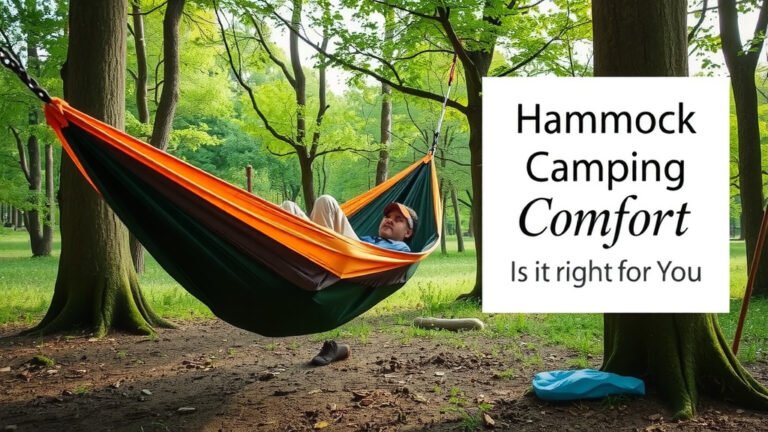
The secret is the diagonal lie. Instead of sleeping in line with the hammock’s length, you shift your body about 30 to 45 degrees across the fabric. This spreads your weight out and opens up space at your shoulders and hips.
Think of it like lying across a big armchair instead of sitting upright in it. The fabric cradles you without squeezing your spine into a curve. Many experts say this flatter position also reduces lower back strain over a full night (Cleveland Clinic).
Can’t picture it yet? Grab a bed sheet, hold both ends, and lie across it diagonally. That’s basically what your body is doing in a well-hung hammock.
Why Your Hammock Sag Matters So Much
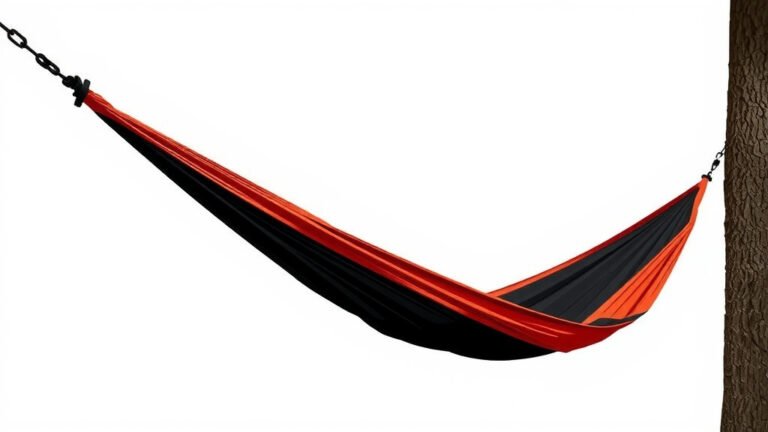
A flat, tight hammock is your enemy. It wraps around you like a burrito and presses on your shoulders. A hammock with a deep, gentle sag lets you lie almost level with the ground.
We found that hanging your straps so the lowest point of the hammock sits around 18 inches off the ground creates a comfortable curve. Your head should end up slightly higher than your hips, but just barely.
- Too flat: fabric squeezes your shoulders and neck.
- Too deep: you’ll slide toward the middle all night.
- Just right: you can roll to your side with ease.
Getting the Hang Angle Right
Most hammock campers aim for a 30-degree hang angle between the strap and the tree. That angle creates the sag we just talked about. If your straps look like a tight clothesline, lower them.
It sounds fussy, but it takes about two minutes once you’ve done it a few times. Your shoulders will thank you around 2 a.m.
Best Hammock Types for Side Sleepers
Not all hammocks are built the same, and width matters more than you’d think. A narrow, single-person hammock fights you every time you try to turn. A wider one gives you room to shift.
| Hammock Type | Side Sleeping Comfort | Best For |
|---|---|---|
| Single hammock | Tight and tricky | Back sleeping, short naps |
| Double hammock | Comfortable with a diagonal lie | Overnight side sleepers |
| Bridge hammock | Nearly flat, very easy | People with back pain |
| Mayan or Brazilian style | Good, thanks to extra fabric width | Camping and backyard use |
Many experts recommend a bridge-style hammock for strict side sleepers because the spreader bars keep the bed surface flat. But a roomy double hammock is usually enough for most of us.
Why Fabric Width Changes Everything
Aim for a bed width of at least 5 feet. Narrower fabric folds in on your shoulder and creates a pressure point. Wider fabric lets you stretch out diagonally and still have slack behind your knees.
Setting Up Your Body for a Comfortable Side Lie
Once your hammock is hung well, your body position does the rest. Start on your back, then rotate diagonally so your feet point to one side of the hammock and your head points to the other. From there, roll onto your side.
Sleep researchers note that keeping your spine neutral reduces morning stiffness (NIH). In a hammock, that means a small pillow under your head and another between your knees.
Pillow Placement for Side Sleepers
Your head pillow should fill the gap between your ear and shoulder. Your knee pillow keeps your top leg from pulling your spine out of line. In a pinch, a stuff sack with spare clothing works fine.
Underquilt and Blanket Tips
Cold nights change the math. Compressed insulation underneath you loses its warmth, which is why hammock campers use an underquilt. If you don’t have one, a foam pad inside the hammock adds warmth and a bit of structure. Our guide to using an underquilt instead of a sleeping pad explains why it handles hammock heat loss better.
Common Side Sleeping Mistakes to Avoid
Most hammock misery comes from a few fixable errors. We found that these show up again and again in camping forums and expert guides.
- Hanging the hammock too tight and too high.
- Sleeping straight down the center line.
- Using a baggy, narrow single hammock.
- Skipping the knee pillow and waking up with a twisted back.
- Ignoring cold spots under your hips.
Fix the hang first. Then fix your lie angle. Then add pillows. That order saves a lot of frustration.

What Side Sleeping in a Hammock Feels Like
The first few nights feel different, and that’s normal. There’s a gentle sway and a soft hug of fabric around you. Many people report falling asleep faster because of that rocking motion.
One small study on rocking beds found that gentle motion helped people fall asleep faster and spend more time in deep sleep (NCBI). Hammocks offer a similar motion, though on a smaller scale.
Will it feel like your mattress at home? No, and it shouldn’t. But give yourself two or three nights before you judge it.
Your Side Sleeper Setup Checklist
Before your next night in the hammock, run through this quick list:
- Hang straps at a 30-degree angle for a proper sag.
- Keep the low point about 18 inches off the ground.
- Choose a double or wide hammock, 5 feet across or more.
- Lie diagonally, about 30 degrees off the center line.
- Place a pillow under your head and between your knees.
- Add an underquilt or foam pad if temperatures drop.
When a Hammock Might Not Work for Side Sleepers
Honesty time. Some people just don’t love hammock sleeping, and that’s okay. If you have serious shoulder problems or severe acid reflux, talk with your doctor first. Guidelines on sleep position often suggest keeping conditions like GERD in mind when choosing how you sleep (Mayo Clinic).
Also, if you share a hammock with a partner or a wiggly dog, side turning gets complicated fast. In that case, a bigger hammock or a ground setup may save your sanity.
Conclusion
So, can you side sleep in a hammock? Absolutely, but the setup makes all the difference. We found that a wide double hammock, a gentle sag, and a diagonal lie give your shoulders and hips the room they need. Add a pillow under your head and between your knees, and you’ve got a setup that rivals many mattresses. Give yourself a few nights to adjust before making up your mind. Ready to try it? Grab a roomy hammock, hang it with a 30-degree strap angle, and practice your diagonal lie in the backyard before your first overnight trip.
Frequently Asked Questions
Is side sleeping in a hammock bad for your back?
Not if your hammock is hung with a proper sag and you lie diagonally. That setup keeps your spine in a neutral line instead of curving it. If you wake up sore, loosen your straps and shift your body angle before blaming the hammock itself.
Can you side sleep in a camping hammock while backpacking?
Yes, but pack wisely. Choose a lightweight double hammock, a small pillow, and an underquilt for cold nights. Practice the diagonal lie at home first so you’re not troubleshooting your sleep position in the dark after a long day on the trail.
How long does it take to get used to side sleeping in a hammock?
Most people need two to three nights to feel at home. The first night may feel wobbly or strange, especially with the gentle sway. Stick with it, and your body usually adjusts faster than you’d expect.
Do you need a special pillow to side sleep in a hammock?
No special pillow required. A small, firm pillow that fills the gap between your ear and shoulder works best. In a pinch, a stuff sack filled with extra clothes does the job just fine.
Why do my shoulders go numb when I try to side sleep in a hammock?
That usually means your hammock is too tight or too narrow. The fabric wraps around your shoulder and cuts off circulation. Loosen your hang angle for a deeper sag, and switch to a wider hammock so the fabric doesn’t press into your shoulder all night.