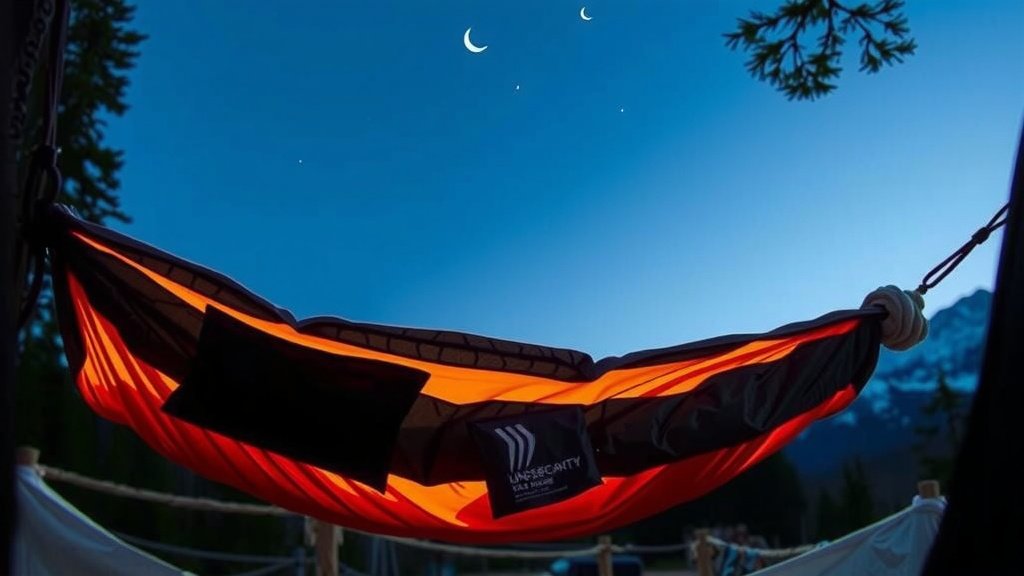
Underquilt vs Sleeping Pad: Why Underquilts Win for Hammocks
You might be wondering why you’d choose an underquilt over a sleeping pad for your hammock camping. Simply put, an underquilt is much warmer and more effective at preventing heat loss because it insulates your sides and bottom directly, closing the gap sleeping pads leave.
Unlike a sleeping pad that can slip and shift inside your hammock, an underquilt hangs below, creating a consistent pocket of warm air. This setup is often considered the gold standard for comfortable hammock camping in cooler weather.
- Underquilts offer superior insulation compared to sleeping pads.
- They prevent heat loss by insulating your sides and bottom.
- Underquilts stay in place, unlike shifting sleeping pads.
- This makes them ideal for staying warm in a hammock.
Let’s break down exactly why an underquilt is often the preferred choice for serious hammock campers.
The Case for Underquilts: Why They Beat Sleeping Pads for Hammock Comfort
You’re likely here because you love your hammock. Who doesn’t? But when the temperature drops, you might find yourself a bit chilly. Many campers start with a sleeping pad in their hammock. It seems logical, right? But research and camper experience show there’s a much better way to stay warm. An underquilt is designed specifically for hammocks, and it makes a world of difference.
Understanding Hammock Heat Loss: The Cold Truth
Hammocks can feel like a cozy suspended bed. However, they also create unique challenges for staying warm. The primary issue is insulation. When you lie in a hammock, your body weight compresses any insulation beneath you. This is true for sleeping pads, too.
The Compression Problem with Sleeping Pads
Think about your sleeping pad. When you lie on it, your body squishes the filling. This drastically reduces its ability to trap warm air. Heat escapes easily where your body presses down. This effect is amplified in a hammock. Your weight presses the pad against the hammock fabric. This creates cold spots where the pad doesn’t fully insulate you. It’s like lying on a deflated balloon. You lose a lot of warmth this way.
The Gaps and Drafts: A Sleeping Pad’s Weakness
Sleeping pads also don’t conform to the hammock’s shape. There are often significant gaps along your sides. Cold air can easily sneak in through these openings. This creates uncomfortable drafts. You’ll find yourself shifting around trying to plug these leaks. It makes for a restless night. This constant battle for warmth is exhausting.
How Underquilts Solve the Cold-Bottom Problem
An underquilt hangs *below* your hammock. It’s not compressed by your body weight at all. This is the biggest advantage. It remains fully lofted. Loft is the fluffy material that traps air and keeps you warm. Think of it like a down jacket for your hammock. It surrounds you, keeping the heat close.
Consistent Insulation, All Night Long
Because it hangs freely, an underquilt conforms to the hammock’s shape. It creates a sealed pocket of warm air. This means no gaps for cold air to enter. No more drafts sneaking up your back. The insulation works constantly, all night long. Many campers report a dramatic improvement in comfort and sleep quality. They sleep warmer and more soundly.
Ease of Use and Stability
Sleeping pads can be a hassle in a hammock. They slip and slide. You might wake up with half your pad on the ground. You have to constantly adjust them. An underquilt, however, is designed to stay put. It attaches to the hammock suspension system with clips or shock cords. Once it’s set up, it stays in place. This stability means less fuss and more sleep. You can relax knowing your warmth is secure.
Underquilts vs. Sleeping Pads: A Direct Comparison
Let’s look at how they stack up side-by-side. It’s not just about comfort; it’s about effective insulation.
| Feature | Underquilt | Sleeping Pad |
|---|---|---|
| Insulation Method | Hangs below, traps air without compression. | Lies beneath body, compressed by weight. |
| Warmth Effectiveness | Excellent, consistent insulation. | Poor to moderate, suffers from compression and gaps. |
| Drafts/Gaps | Minimal to none, creates a sealed warmth pocket. | Significant gaps and drafts along sides. |
| Stability in Hammock | Very stable, stays in place. | Unstable, prone to slipping and shifting. |
| Weight/Bulk | Can be comparable or slightly more, but more effective. | Varies, but less effective for the weight. |
| Ideal Temperature Range | Colder temperatures, down to freezing and below. | Mild to cool temperatures. |
Weight and Packability Considerations
Some people worry about the weight and bulk of an underquilt. It’s true that a full-coverage underquilt might be slightly heavier than a minimalist sleeping pad. However, you must consider its effectiveness. A sleeping pad that doesn’t keep you warm is essentially dead weight. An underquilt, even if a bit heavier, provides reliable warmth. This means you can camp comfortably in more conditions. You might even be able to use a lighter top quilt or blanket when using an underquilt. This can offset the weight. We found that investing in a good underquilt often means carrying less overall for colder trips.
Temperature Ratings and Loft
Underquilts come with temperature ratings, just like sleeping bags. These ratings are generally more accurate than sleeping bag ratings, especially when paired with a suitable top quilt. The loft of the insulation is key. Down insulation offers the best warmth-to-weight ratio. Synthetic insulation is a good alternative, especially if you anticipate wet conditions. It continues to insulate even when damp (National Weather Service).

Making the Switch: When to Consider an Underquilt
If you plan on hammock camping when the temperature dips below 60°F (15°C), an underquilt should be high on your gear list. For many, this is a game-changer. It opens up seasons that would otherwise be too cold for comfort. Think of the crisp autumn nights or early spring mornings. You can enjoy them fully without shivering.
Your Underquilt Checklist
Ready to embrace the warmth? Here’s what to keep in mind:
- Consider the coldest temperatures you’ll camp in.
- Choose down or synthetic fill based on your needs.
- Look for a full-length or three-quarter length underquilt.
- Ensure it has an effective attachment system.
- Match its temperature rating to your needs.
- Don’t forget a suitable top quilt or blanket!
The Verdict: Warmth, Comfort, and Simplicity
Ultimately, the decision comes down to prioritizing warmth and comfort. While a sleeping pad can work in a pinch for mild nights, it falls short when temperatures drop. An underquilt is purpose-built for hammock camping. It addresses the unique challenges of staying insulated in a suspended shelter. By eliminating compression and drafts, it provides a level of warmth that a sleeping pad simply cannot match. Many experienced hammock campers agree that an underquilt is an essential piece of gear for anyone serious about staying comfortable when sleeping outdoors.
Conclusion
When you’re looking to stay truly warm and comfortable in your hammock, especially as temperatures drop, an underquilt is your best bet. We’ve seen how sleeping pads struggle with compression and drafts, leaving you cold. An underquilt, designed to hang freely, provides consistent insulation by trapping warm air around your sides and bottom. This setup eliminates the cold spots and annoying shifts that plague sleeping pad users. Make the switch to an underquilt, and you’ll open up more seasons for enjoyable hammock camping.
Frequently Asked Questions
Can I use a sleeping pad in my hammock for a quick overnight trip?
For very mild nights, a sleeping pad might offer some minimal comfort. However, research and experienced campers confirm it’s a temporary fix. You’ll likely still feel drafts and experience some warmth loss due to compression, making for a less-than-ideal sleep.
Are underquilts really that much warmer than sleeping pads?
Yes, underquilts are significantly warmer. Unlike sleeping pads compressed by your body weight, underquilts maintain their full loft. This trapped air provides continuous, direct insulation around your body, preventing the heat loss that sleeping pads can’t avoid.
Will an underquilt solve the “cold butt” syndrome in a hammock?
Absolutely. “Cold butt” syndrome is caused by insulation being compressed under your weight. An underquilt hangs below, so your body doesn’t compress its insulating material. This ensures your bottom stays warm, as the underquilt functions like a suspended, uncompressed sleeping bag.
How does an underquilt attach to my hammock?
Underquilts typically use a system of shock cords and clips that attach to your hammock’s suspension. This allows the underquilt to hang evenly and snugly around your hammock, creating a draft-free environment without shifting or falling down.
Is an underquilt essential for hammock camping in cool weather?
If you plan to camp when temperatures are below 60°F (15°C), an underquilt transitions from a “nice-to-have” to an essential piece of gear. It’s the most effective way to ensure you stay warm and get a good night’s sleep, opening up fall and spring camping possibilities.