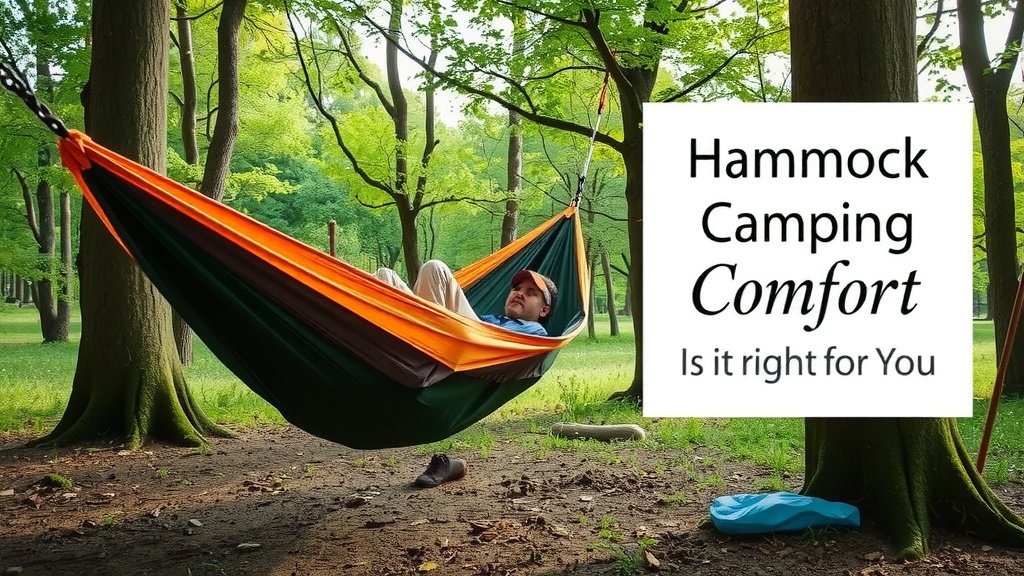
Hammock Camping Comfort: Is It Right For You
Yes, hammock camping can be very comfortable, often more so than sleeping on the ground. The secret is understanding how to set it up correctly and choosing the right accessories. Many campers find the gentle sway and even weight distribution of a hammock lead to a deeper, more restful sleep.
You might be wondering if you’ll really sleep well suspended in the air. Research and user experiences show that a properly rigged hammock can provide excellent support. It eliminates pressure points you’d feel on a hard surface. Plus, with the right insulation and bug net, you can be just as protected from the elements as you would be in a tent.
- Hammock camping offers unique comfort.
- Proper setup is key to good sleep. Proper setup is key to good sleep, and our guide to the ideal hammock hang explains the optimal angle and sag.
- It can eliminate common ground-sleeping discomforts.
- Consider insulation and bug nets for a better experience.
Let’s dive into what makes hammock camping so comfortable and what you need to know to make it work for you.
Your Hammock Camping Comfort Explained
Hammock camping offers a unique kind of comfort that many ground sleepers find surprisingly pleasant. The main advantage is how a hammock cradles your body. It distributes your weight evenly, avoiding those painful pressure points you can get on a hard or uneven surface. Think of it like floating on air – much more relaxing than a lumpy sleeping bag on the ground, right?
Finding Your Perfect Sleeping Position
One of the biggest questions people have is about sleeping flat. Many beginners try to sleep straight across their hammock. This often results in a “banana” shape, which isn’t ideal. The secret is to hang your hammock with a bit of a sag and lie at a diagonal. This allows you to lie almost perfectly flat, much like a bed.
The Diagonal Hang: Your Key to Comfort
Many hammock camping experts say the diagonal lie is the holy grail of comfort. When you lie across the hammock at an angle, the fabric stretches differently. This creates a flatter surface for your back. You’ll find your body is much better supported this way. It takes a little practice to get the hang of it, but it makes a huge difference.
Achieving the Right Sag
How much sag should you aim for? A good rule of thumb is the 30-degree angle. Imagine a line from your suspension point to where the hammock attaches. You want the hammock to drop about 30 degrees from that line. This provides enough slack for the diagonal lie without letting you sink too low. Too tight, and you’ll be in that banana shape. Too loose, and you might feel unstable.
Essential Gear for a Cozy Night
While the hammock itself is key, a few accessories can dramatically boost your comfort. These items help manage temperature, keep bugs away, and provide that crucial support.
Underquilts: Your Warmth Solution
One of the most common concerns for hammock campers is staying warm. Air circulates freely under a hammock. This means your sleeping bag can lose its loft and insulating power. An underquilt is an insulated layer that hangs beneath your hammock. It traps warm air and prevents drafts. Many are designed to work with specific hammock models. We found that a good underquilt is essential for comfort in cooler temperatures (REI).
Understanding Underquilt Temperature Ratings
Underquilts come with temperature ratings, just like sleeping bags. Choose one that matches the conditions you expect. A 20-degree F underquilt is good for three-season use in many parts of the US. For colder weather, you’ll need something rated lower. It’s better to be a bit too warm and vent it than to be too cold.
Top Quilts and Sleeping Bags
You’ll also need insulation on top. A lightweight sleeping bag works, but many hammock campers prefer a top quilt. It’s essentially a blanket with a footbox. It’s easier to get in and out of than a mummy bag. It also helps prevent losing warm air. When it’s warm out, you might only need a light top quilt or even just a liner.
Bug Nets: Your Shield Against Pests
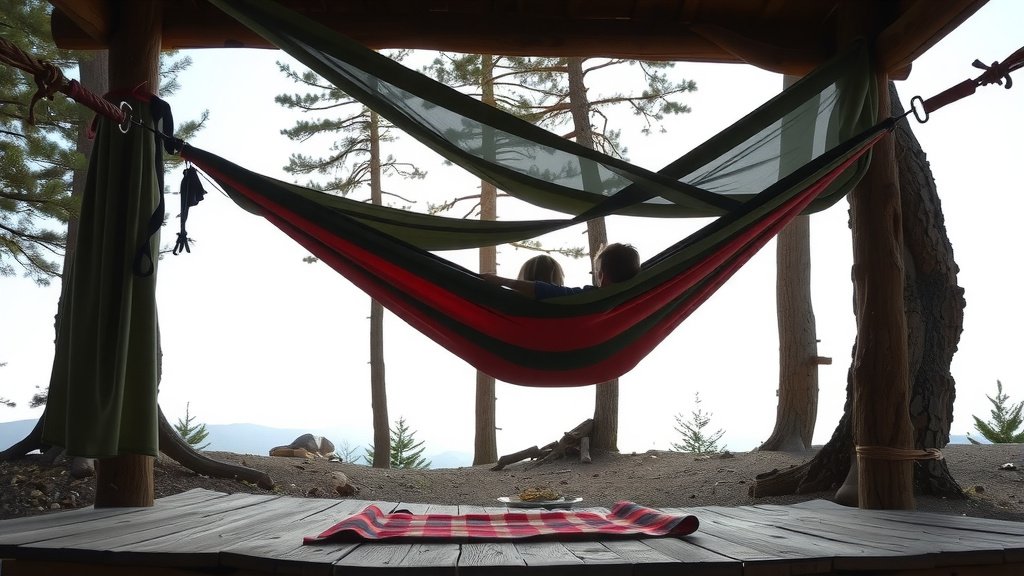
Mosquitoes and other biting insects can ruin any camping trip. Hammock bug nets enclose your hammock completely. They keep even the smallest bugs out. Many are integrated into the hammock design. Others are separate and can be added to your existing setup. Having a peaceful, bug-free night is a major comfort factor.
Hammock Tarp for Weather Protection
Rain can quickly turn a comfortable camp into a soggy ordeal. A hammock tarp acts like a roof. It keeps rain and dew off you and your gear. You can set it up in various configurations depending on the wind and weather. A well-pitched tarp means you can stay dry and cozy inside your hammock, even during a shower.
Comparing Hammock vs. Tent Comfort
Let’s look at how hammock camping stacks up against traditional tent camping for comfort.
| Feature | Hammock Camping | Tent Camping |
|---|---|---|
| Pressure Points | Virtually none when set up correctly | Can occur on uneven ground or with thin pads |
| Sleeping Flat | Achievable with diagonal hang | Generally flat surface |
| Insulation | Requires underquilt/top quilt for warmth | Relies on sleeping bag and pad |
| Bug Protection | Excellent with integrated or separate net | Depends on tent mesh quality and zipper seals |
| Weather Protection | Excellent with a tarp | Good, but ground can get wet |
| Setup Ease | Can be quicker once practiced | Varies, can be complex with footprints and poles |
The Verdict on Hammock Comfort
For many people, hammock camping leads to a more comfortable sleep. You avoid the hard ground and uneven surfaces. The gentle sway can be very relaxing. It’s like being rocked to sleep. Research suggests that reduced pressure points can lead to better sleep quality (Sleep Foundation). Your body feels less strained.
Potential Comfort Challenges and Solutions
It’s not always perfect from the start. Some people find it takes a few tries to get the hang of the diagonal lie. Cold nights are a significant comfort challenge without proper insulation. Bugs can be a problem if you don’t have a good net. But with the right gear and setup, these issues are easily overcome.
Checklist for Ultimate Hammock Comfort
Ready to maximize your comfort? Make sure you’ve got these:
- A hammock with a good weight capacity.
- Straps that won’t damage trees.
- An underquilt rated for your expected temps.
- A top quilt or cozy sleeping bag.
- A bug net to keep critters out.
- A tarp for rain and dew protection.
Conclusion
Hammock camping truly offers a unique and often superior comfort level compared to sleeping on the ground. You’ve learned that achieving a flat, comfortable sleep position is all about the diagonal hang and the right sag. With the addition of essential gear like underquilts, top quilts, bug nets, and tarps, you can ensure warmth, protection, and pest-free nights. Don’t let initial learning curves deter you. Embrace these tips and gear recommendations to transform your camping experience. Your next camping trip could be your most restful yet.
Frequently Asked Questions
Will I feel like I’m going to fall out of a hammock at night?
Not when it’s set up correctly! The key is achieving a good sag and learning to lie diagonally. This positioning distributes your weight evenly and creates a stable, cradling feel. You’ll find it surprisingly secure once you get the hang of it.
Is it hard to sleep “flat” in a hammock?
It might take a little practice, but it’s very achievable. The secret is the diagonal hang, where you lie at an angle across the hammock. This stretches the fabric in a way that supports your back and makes you feel almost perfectly flat. Many find it more comfortable than traditional ground sleeping.
How do I stay warm enough in a hammock when it’s cold?
Air circulation under a hammock is what makes it cool. You’ll need an underquilt, which is an insulated layer that hangs beneath your hammock. This traps warm air and prevents drafts, ensuring you stay cozy even in chilly temperatures. Pair it with a top quilt for total warmth.
Can I use my regular sleeping bag in a hammock?
You can, but it’s not ideal for maximum comfort or warmth. Your sleeping bag can compress under your body weight, losing its loft and insulating power. A dedicated top quilt is lighter and designed to work with a hammock, offering better warmth and ease of movement.
What if I don’t have trees to hang my hammock from?
Don’t worry, you still have options! You can use portable hammock stands, which are sturdy and easy to set up. These stands allow you to enjoy hammock comfort in almost any location, even open fields or campsites without trees.