Do Hammocks Come With Straps? Your Essential Guide
Most hammocks sold today do not come with straps included. You typically need to purchase them separately to hang your hammock. This is because many hammock brands focus on the hammock itself, assuming users have their own preferred hanging methods or will buy them as an accessory. Always check the product description to be sure before you buy, as some budget-friendly hammock sets might include basic straps.
When you buy a hammock, it usually comes packed up tight. What’s inside often includes just the hammock fabric and sometimes a carrying pouch. To enjoy your hammock, you’ll need a way to hang it securely. This means you’ll probably need to pick up a separate set of hanging straps or a suspension system. It’s a common part of the hammock experience!
- Hammock straps are usually sold separately.
- Check the product details before purchasing.
- Basic strap sets might be included with some budget hammocks.
- You’ll need straps to hang your hammock securely.
Let’s walk through exactly what you should look for when buying straps for your hammock.
What’s Typically Included When You Buy a Hammock?
So, you’re excited about your new hammock! You’ve pictured yourself swaying gently under the trees. But before you can hang it, you need to know what’s actually in the box. In most cases, when you purchase a hammock, you’re getting the hammock body itself. Think of it as the main event, the fabric sling that you’ll relax in. Sometimes, it also comes with a small stuff sack. This is super handy for packing your hammock up small for trips.
What’s usually missing is the hardware needed to hang it. This means ropes, straps, or any kind of suspension system. This is pretty standard across the industry. Brands often focus on the comfort and portability of the hammock itself. They assume you’ll either have your own preferred hanging method or will buy the necessary accessories separately. It’s like buying a bike – it comes with wheels, but you might want to add a bell or a water bottle holder later.
Understanding Hammock Straps: Your Hanging Essentials
Think of hammock straps as your hammock’s best friends. They are the bridge between your hammock and the sturdy anchor points, like trees or posts. Without them, your hammock would just be a fancy piece of fabric on the ground. We found that most hammock manufacturers understand this. That’s why they often leave the strap choice up to you. This allows for customization based on your needs and where you plan to hang your hammock.
The most common reason straps aren’t included is versatility. Different hanging spots have different requirements. Some trees are massive, while others are more slender. Some people prefer quick setup, while others want the most secure connection possible. By selling straps separately, companies give you the freedom to choose the perfect system for your situation. This prevents you from being stuck with straps that might not be ideal for your specific setup.
Why Are Hammock Straps Sold Separately?
We’ve researched this quite a bit, and several key reasons emerge. First, cost. Including straps, especially high-quality ones, would increase the overall price of the hammock. Many buyers are looking for just the hammock and already own straps or prefer a different hanging method. Second, customization. As mentioned, different hanging scenarios call for different types of straps. Including a generic set might not be suitable for everyone.
Third, simplicity. For manufacturers, it simplifies production and inventory. They can focus on making great hammocks. Fourth, environmental considerations. Some hanging methods, like rope, can damage trees. Many modern strap systems are designed to be tree-friendly. By offering a variety of strap options, companies encourage users to choose the most responsible and effective hanging method for their needs. It’s about giving you the best experience.
What to Look For in Hammock Straps
Now that you know you’ll likely need to buy straps, let’s talk about what makes a good set. You have a few main types to consider. The most popular are webbing straps, often made from polyester or nylon. These are generally lightweight, durable, and easy on trees. Many experts suggest looking for straps with a high weight capacity and a good length. You don’t want to be caught short when trying to find a place to hang your hammock.
Another option is rope. While traditional, not all ropes are ideal for hammocks. If you go the rope route, ensure it’s strong, UV-resistant, and doesn’t stretch too much. We found that some people still prefer rope for its classic feel, but it requires more care to avoid damaging trees. Carabiners are often used with straps or rope to connect the hammock to the anchor point. These should be sturdy and rated for climbing or heavy-duty use.
Webbing Straps: The Modern Standard
Webbing straps have become the go-to for many hammock campers and backyard loungers. They are typically made from strong synthetic materials like polyester. These straps are great because they distribute your weight evenly across the tree’s bark, minimizing the risk of damage. We found that many webbing straps come with multiple loops. This makes adjusting the height and tension of your hammock incredibly simple. You just hook your carabiner into the desired loop.
The length of webbing straps can vary. For general use, 6 to 10 feet per strap is common. Longer straps give you more flexibility in finding suitable hanging spots, especially if trees are far apart. Always check the weight rating. A typical set can hold anywhere from 300 to 1000 pounds or more. This is crucial for safety. You want a set that can comfortably support you and your hammock, with a good margin. Many reputable sources, like outdoor gear reviewers, highlight the durability and ease of use of webbing straps.
Rope Suspension: The Traditional Choice
Rope suspension offers a classic hammock experience. However, it’s important to use the right kind of rope. Materials like nylon or polypropylene are often used. We researched and found that some synthetic ropes can degrade in sunlight or become brittle over time. Look for ropes specifically designed for outdoor use and with a high tensile strength. The diameter of the rope also matters; a thicker rope generally means more strength and better grip.
A common issue with rope is its potential to cut into tree bark, especially under heavy load. To mitigate this, many people use tree protectors. These are often pieces of carpet or thick fabric placed around the tree where the rope makes contact. Setting up with rope can also take a little more practice to achieve the right tension and height. While it might be budget-friendly initially, the potential for tree damage and the need for extra care make webbing straps a more popular choice for many today. Still, for a rustic feel, rope can be a great option if used thoughtfully.
Choosing the Right Rope Material
When considering rope, the material is key. We found that braided nylon rope is strong and has good shock absorption. However, it can stretch quite a bit, which might require frequent adjustments. Polyester rope is more resistant to UV rays and moisture than nylon and stretches less. This often makes it a more stable choice. Static ropes, used in climbing, have very little stretch and are incredibly strong, but they can be stiffer and harder to knot.
Tree Straps vs. Direct Rope: Protecting Your Anchors
This is a really important point for anyone who loves nature. Direct rope contact can seriously harm trees. The friction and pressure can girdle the tree, cutting off its nutrient supply. Many experts strongly recommend using tree straps or wide webbing instead of thin rope directly on the bark. These wide straps distribute the pressure over a larger surface area, acting like a cushion. They are specifically designed to be safe for trees.
If you absolutely prefer rope, always use tree protectors. These are essentially barriers that go between the rope and the tree. Think of them as a shield. Some people use old carpet scraps, specialized tree huggers, or even thick padding. This practice is vital for preserving the health of the trees you enjoy. Remember, responsible hanging is part of the hammock lifestyle. We found that brands committed to conservation often sell tree-friendly suspension systems.
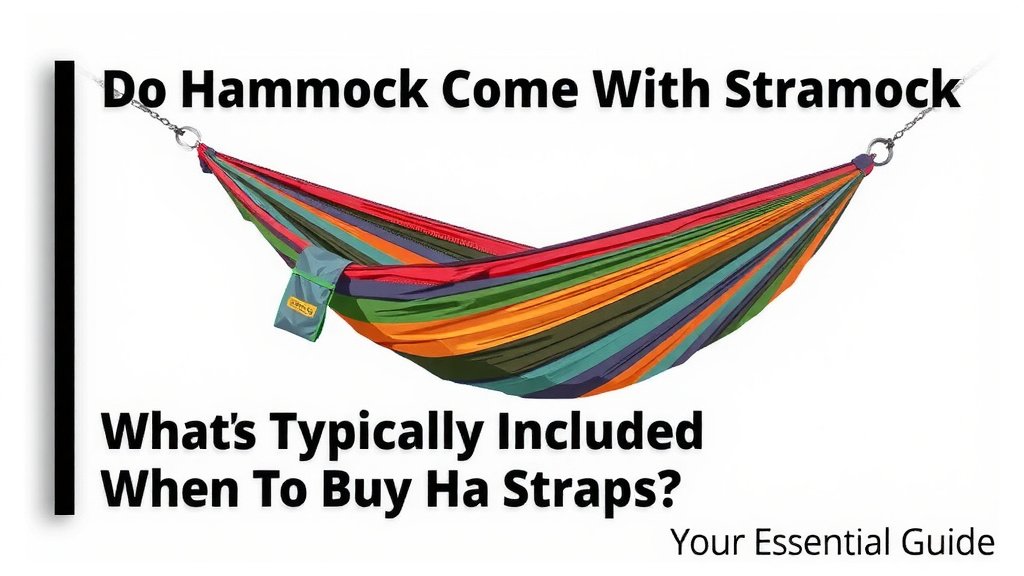
Common Hammock Strap Sets and What They Include
When you decide to buy a set of hammock straps, they usually come as a pair. Each strap will be a long piece of webbing with multiple pre-sewn loops. You’ll also typically get at least two carabiners. These are the metal clips that connect the loops on your straps to the loops on your hammock suspension (or directly to your hammock if it has loops).
Some premium sets might include more carabiners or even daisy chains integrated directly into the strap. Daisy chains are rows of loops that offer even more adjustability. Other sets might come with a compact carrying pouch, much like the hammock itself. We found that the number of loops can vary significantly, affecting how finely you can adjust your hammock’s position. More loops generally mean more precise height and angle control.
Weight Capacity: A Non-Negotiable Factor
This is one of the most critical specs. Hammock straps have a weight limit, and you absolutely must respect it. Most good quality webbing strap sets are rated for at least 300 pounds per strap, and often much more – sometimes up to 500 pounds or even 1000 pounds for a pair. This rating accounts for the weight of the person using the hammock, plus any dynamic forces that might occur, like shifting weight or gentle bouncing.
We found that cheaper, unbranded straps might not have accurate weight ratings. Always buy from reputable brands. A common recommendation is to choose straps with a total weight capacity that is at least double the weight of the heaviest person who will use the hammock. This provides a vital safety margin. Never compromise on this. A sudden failure of your hanging system can lead to serious injury.
Length and Adjustability: Finding Your Perfect Spot
The length of your straps determines how far apart your anchor points can be. If you frequently camp or hang out in areas with widely spaced trees, longer straps are essential. 10-foot straps are a good general-purpose length. If you’re mostly setting up in a backyard with close trees, shorter straps might be fine. However, having longer straps offers more versatility. You’re less likely to be disappointed when you find a great spot.
Adjustability is also key. Straps with multiple, well-defined loops make it easy to get your hammock perfectly level and at the ideal height. Some systems use tensioners or cinch buckles, which can offer infinite adjustability but might add a bit more weight or bulk. We found that for most users, a strap with a generous number of sewn loops is the easiest and most reliable system.
Your Hammock Strap Checklist
To help you choose the right straps, here’s a quick checklist:
- Material: Look for durable, UV-resistant webbing (polyester or nylon) or appropriate outdoor rope.
- Weight Capacity: Ensure it safely exceeds the weight of the user(s).
- Length: Consider the typical distance between your anchor points. Aim for at least 6-10 feet per strap.
- Adjustability: Check for ample loops or an easy adjustment system.
- Tree-Friendliness: Prioritize wide straps or use protectors with rope.
- Included Hardware: Make sure strong carabiners are included or budgeted for.
Conclusion
So, the short answer is: generally, no, hammocks do not come with straps. You’ll most likely need to purchase them separately. This gives you the freedom to choose the best hanging system for your needs and to protect the trees you hang from. By understanding the different types of straps available and their features, you can make an informed decision. Always check the product details to know exactly what’s included. With the right straps, you’ll be relaxing in no time!
Frequently Asked Questions
Do all hammocks need separate straps?
Most hammocks do not include straps. You typically buy the hammock itself and then purchase a suspension system, like straps or rope, separately. This allows for customization and ensures you get a system that works for your specific hanging needs.
Can I use any kind of rope to hang my hammock?
While you can use rope, it’s best to use strong, UV-resistant rope designed for outdoor use. Thin rope can damage tree bark, so many people opt for wide webbing straps or use tree protectors with rope to safeguard the trees.
What if a hammock *does* come with straps?
If a hammock set includes straps, they are usually basic. They might be shorter or less durable than what you’d buy separately. It’s always wise to check the specifications to ensure they meet your safety and comfort needs.
How do I know if hammock straps are safe?
Look for a clear weight capacity rating on the straps. Reputable brands will list this, and it should be significantly higher than the weight of the person using the hammock. We recommend choosing straps rated at least double your expected load for added safety.
Are there any hammocks that *do* include hanging hardware?
Occasionally, very basic or budget-friendly hammock kits might include simple rope or webbing straps. However, it’s not standard practice for most brands, especially those focused on quality and durability. Always double-check the product description before buying.