Hammock Post Spacing: How Far Apart Should They Be?
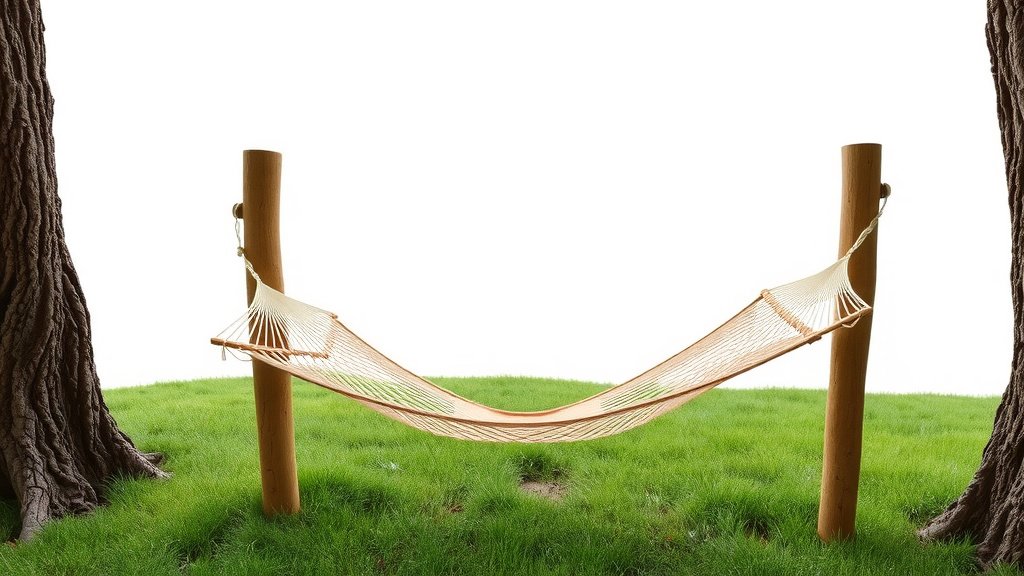
Most hammock posts should be set 10 to 15 feet apart, depending on the hammock you own. For a standard 9 to 10-foot hammock, 12 feet is the sweet spot for most setups. The rule of thumb is simple: post spacing should be the hammock length plus about 2 feet.
But here’s the thing — spacing isn’t one-size-fits-all. Hammock type, terrain, and post height all change the math. Get it wrong, and your hammock sags like a sad shopping bag or hangs so tight you can’t climb in comfortably. Many experts say a slight curve in the hang is actually what you want.
- Standard spacing is 10 to 15 feet between posts.
- Measure your hammock first, then add roughly 2 feet.
- Posts should be buried at least 2 to 3 feet deep for safety.
- Keep 1 to 2 feet of clearance so your hang isn’t overly tight.
- Adjust straps and rope let you fine-tune the sag after installation.
We researched common spacing mistakes and found a few easy fixes that make your hang feel perfect every time. Below, we break down everything you need to know about setting hammock posts the right way, step by step.
Spacing Your Hammock Posts Correctly
The fastest way to get the right distance is to measure your hammock, then add about two feet. A nine-foot hammock needs roughly 11 to 12 feet between posts. That little extra space gives you room to adjust the hang later.
Why does that extra breathing room matter? Because rope stretches, straps loosen, and trees — well, trees don’t move, but posts can lean. We found that most first-time installers set posts too close, then struggle to get a comfortable sag. Give yourself the buffer up front and thank yourself later.
Spacing by Hammock Type
Not all hammocks hang the same way. Your spacing depends on how long your hammock is and how it attaches. Here’s a quick comparison we put together:
| Hammock Type | Typical Length | Suggested Post Spacing |
|---|---|---|
| Single rope hammock | 9–10 feet | 11–12 feet |
| Double rope hammock | 11–12 feet | 13–14 feet |
| Quilted or spreader-bar style | 12–13 feet | 14–15 feet |
| Camp-style or gathered-end | 8–9 feet | 10–11 feet |
Spreader-bar hammocks are the picky ones. They need a flatter, tighter hang because the bars hold the fabric open. Gathered-end hammocks — the kind that bunch at each end — love a deep, cozy curve.
Why Spreader-Bar Hammocks Need More Distance
Spreader bars keep the bed flat like a… well, like a tiny floating bed. That flat design means less natural sag, so the posts carry more strain. Set them too close and the fabric bunches; too far and the tension gets scary.
Gathered-End Hammocks Are More Forgiving
These are the classic “banana shape” hammocks. They forgive small spacing mistakes because straps and Whoopie-style adjustments can dial in the sag. If you’re new to posts, start with this style.
How Post Height Changes Your Spacing Math
Taller posts let you space them farther apart. Shorter posts need to sit closer together. It’s simple geometry — the hang angle does the work.
Many hammock communities suggest hanging your anchor points around 48 inches high with about a 30-degree angle on the suspension. That angle keeps stress on the posts low and the ride comfy.
- 4-foot posts (above ground): space 10–12 feet apart.
- 5 to 6-foot posts: space 12–14 feet apart.
- 8-foot posts: space up to 15 feet apart.
Choosing the Right Spot in Your Yard
Pick your location before you dig anything. Sounds obvious, right? Yet we found plenty of stories from folks who set posts, then realized the hammock faced directly into the neighbor’s fence.
Check the Ground and Drainage
Soft, sandy soil makes posts wiggle loose over time. Clay holds firm but drains poorly. If your yard turns into a swamp after rain, add gravel at the bottom of each hole so water doesn’t pool around the base.
Think About Shade and Sun
You’ll want some shade for afternoon naps. Keep in mind that post spacing changes with your spot — a sloped yard may need one post higher or deeper than the other. A level line between posts helps you eyeball it.
Installing the Posts Step by Step
Here’s where the sweat comes in. But don’t worry — two people can finish this in an afternoon.
Depth and Materials
Bury each post at least 2 to 3 feet deep. Use pressure-treated 4×4 or 6×6 lumber rated for ground contact. Concrete footings add serious stability, especially for double hammocks.
Why so deep? Frost, wind, and a 200-pound friend flopping in all push on your posts. A shallow post becomes a lean-toward-the-ground post. Many building guides treat buried posts like fence posts — same rules apply (U.S. Department of Agriculture extension resources cover this well).
Attachment Height and Hardware
Mount your eye bolts or hooks about 4 feet above ground. Use stainless or galvanized hardware rated well above the weight you expect to hold. Never screw hooks into the end grain of the post — sideways grain holds much better.
Weight Ratings Matter
Your hammock plus its occupants can easily top 400 pounds. A dynamic load — like sitting down with momentum — adds even more force. Choose hardware rated for at least twice your expected load. Safety gear standards from groups like the CPSC follow this same double-up logic. Our guide to hammock weight limits explains how to match every rating in your setup.

Getting the Sag Right After Installation
Here’s a secret: a deep, gentle curve beats a tight line. Many experienced hangers say the tighter you string it, the more pressure everything takes. A relaxed 30-degree hang feels better and lasts longer.
Straps are your best friend here. Wrap, clip, and test. Sit in gently the first time — treat the hammock like a friend’s couch, not a trampoline.
Common Spacing Mistakes to Avoid
- Posts too close together — leads to ground-dragging fabric.
- Ignoring hammock length — measure first, always.
- Shallow post holes — two feet minimum, three is better.
- Forgetting stretch — new rope and straps loosen over weeks.
- Uneven attachment heights — you’ll slide to one side all nap long.
Your Quick Pre-Dig Checklist
Before you pick up that shovel, run through this list:
- Measured your hammock end to end.
- Added 2 feet to get your target spacing.
- Called 811 to check for buried utility lines.
- Chosen level ground with decent drainage.
- Confirmed post depth of at least 2 to 3 feet.
- Set aside adjustable straps for fine-tuning.
That call to 811 is a real one — it’s the national utility locating service, and it’s free. Hitting a buried cable with a post-hole digger ruins your afternoon and possibly your neighborhood’s internet.
Conclusion
Getting your hammock posts right comes down to three things: measure first, dig deep, and leave room to adjust. A 9 to 10-foot hammock wants posts about 12 feet apart, while bigger styles need up to 15 feet. Bury those posts 2 to 3 feet down, mount your hardware around 4 feet high, and aim for a relaxed 30-degree hang. If you build in a little extra spacing up front, straps will handle the fine-tuning later. Your next step? Grab a tape measure, check your hammock’s length, and call 811 before you dig. An afternoon of honest work buys you years of excellent naps.
Frequently Asked Questions
Can hammock posts be too far apart?
Yes. When posts sit beyond your hammock’s ideal spacing, the suspension takes on serious tension. That stresses your posts, hardware, and hammock fabric all at once. If your posts are already set wide, use longer straps to soften the angle.
How far apart should posts be for a double hammock?
Most double hammocks run 11 to 12 feet long, so 13 to 14 feet between posts works well. Double models carry more weight, so make sure both posts are buried at least 3 feet deep. Concrete footings are worth the extra effort here.
Can I use trees instead of posts if my yard spacing is wrong?
Absolutely, as long as the trees are healthy, mature, and at least 8 inches in diameter. Many hangers mix it up — one post and one tree works fine. Just use wide straps to protect the bark, and check the hang angle before committing. Our guide to the best trees for hammocks covers how to judge whether a tree is safe to hang from.
Do hammock posts need to be perfectly level with each other?
They should be close, but a small difference won’t ruin anything. What matters most is that the attachment points sit at the same height above ground. If your yard slopes, adjust each post’s height so the hooks line up on a level line.
How long should I wait before hanging my hammock on fresh concrete footings?
Give concrete at least 48 to 72 hours before loading it, and a full week for heavier use. Concrete gains most of its strength over the first several days. Jumping the gun can crack the footing and loosen your post.