Hammock Camping Safety: Expert Tips For A Secure Trip
Yes, you can absolutely hammock camp safely! To do it right, you need to focus on choosing the right trees and using strong, reliable suspension systems. Proper technique ensures your hammock setup is secure, preventing accidental falls or damaged gear. It’s all about smart preparation and understanding your environment.
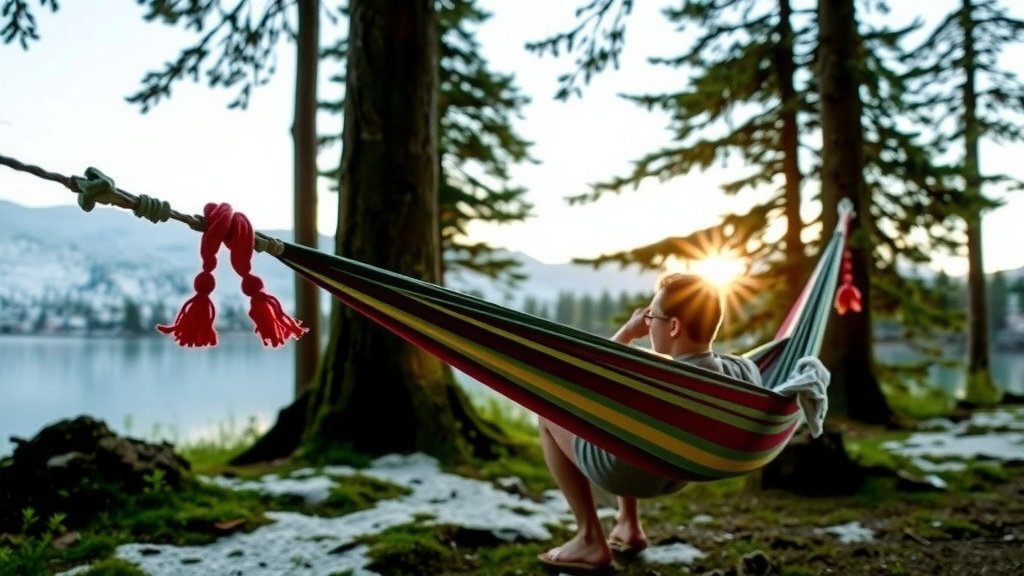
Hammock camping offers a lightweight, comfortable alternative to traditional tents. It lets you sleep suspended off the ground, avoiding rocks and bugs. Getting your setup right means understanding how to hang it securely and comfortably for a great night’s sleep. We’ve researched the best practices so you don’t have to worry.
- Pick sturdy trees spaced correctly.
- Use tree-friendly straps to protect bark.
- Check your suspension system before getting in.
- Learn how to set up your bug net and tarp properly.
Ready to learn how to hang your hammock securely for your next adventure? Let’s get you set up for a worry-free night under the stars.
“`htmlHanging Your Hammock Like a Pro: Safety First
Setting up your hammock for camping is easier than you might think. The most important part is making sure it’s securely attached to something strong. We’ve researched the best methods to keep you sleeping soundly.
Choosing the Right Anchor Points
Your hammock’s safety starts with the trees you pick. You need trees that are healthy and strong enough to hold your weight. Let’s look at what makes a good tree anchor.
What to Look For in a Tree
Look for mature trees with a thick trunk. A good rule of thumb is to use trees that are at least 6 inches in diameter. This provides a stable base for your suspension system. Avoid trees that look damaged or have signs of disease. You want to be sure they can handle the load.
What to Avoid in a Tree
There are some trees you should definitely steer clear of. Dead trees, or trees with rot, can snap unexpectedly. Also, avoid trees with lots of dead branches overhead. These could fall on you or your hammock. Young saplings are usually too weak. Stick to solid, mature trees for the best safety.
Proper Tree Spacing
The distance between your trees is also important. Most hammocks work best when the trees are about 10 to 15 feet apart. This allows for a nice, comfortable sag in your hammock. If your trees are too close, your hammock will be too tight. If they are too far apart, you might not be able to reach them with your suspension straps. Experiment to find the sweet spot for your setup.
Your Suspension System: The Key to a Secure Hang
Once you’ve found your perfect trees, you need a reliable way to connect your hammock. This is where your suspension system comes in. It’s what keeps you off the ground!
Tree Straps vs. Rope
We found that using tree straps is generally better for the trees and your hammock. Straps distribute your weight over a wider area, preventing damage to the bark. Many experts recommend wide, flat webbing straps. Rope can cut into the bark, especially under tension. This can harm the tree over time. Always check the condition of your straps before each use.
Weight Limits and Strength
Your suspension system has a weight limit. Make sure it’s rated for more than just your body weight. Consider the weight of your gear, too. Many hammocks and straps are tested to hold 300 to 400 pounds. Always check the manufacturer’s specifications. It’s better to be safe than sorry when it comes to holding power.
Properly Attaching Your Straps
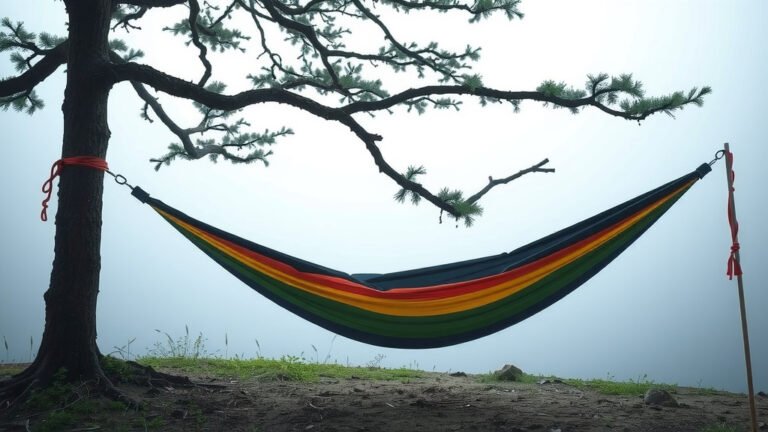
Wrap your tree straps around the trunk at the desired height. Make sure they are snug but not strangling the tree. Then, loop the strap through itself or use the provided hardware to secure it. Most suspension systems have a series of loops or a buckle. Connect your hammock’s carabiners to these attachment points. You want an attachment that feels solid and secure. Don’t be afraid to give it a good tug before you get in!
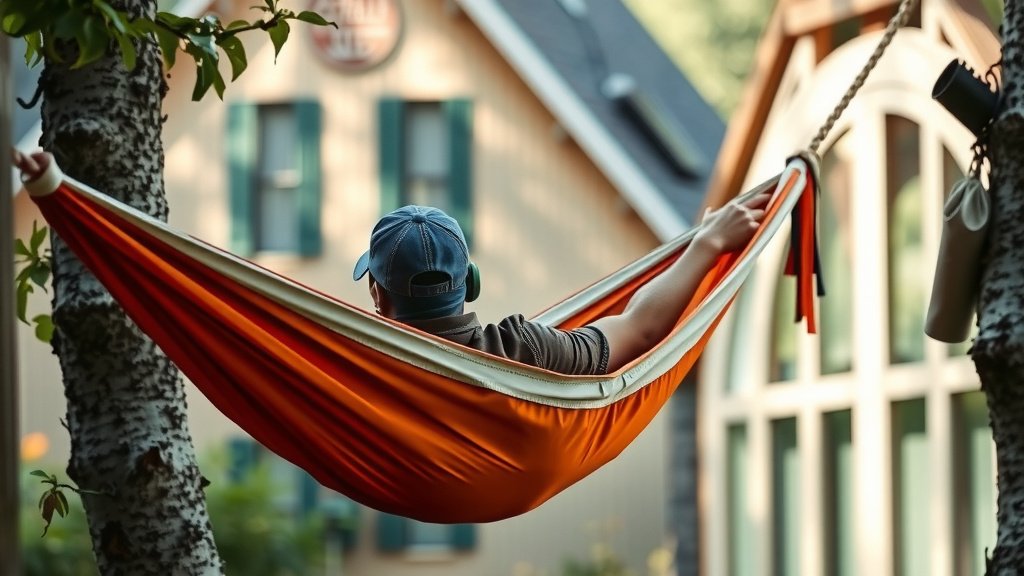
Setting Up for Comfort and Safety
With your hammock securely hung, it’s time to think about the rest of your setup. A good bug net and tarp add comfort and protection. We’ve found that the right setup makes all the difference.
Bug Net Installation
A bug net keeps biting insects away. Many hammocks come with integrated nets. Others require a separate one that you can suspend above your hammock. Make sure the net is fully enclosed and zipped up. Gaps can let mosquitoes in. We learned that a snug fit prevents unwelcome guests.
Tarp Placement
A tarp provides shelter from rain and sun. Position your tarp so it covers your hammock completely. Ensure the edges hang low enough to keep rain from blowing in. Secure the tarp with its own guylines. Proper tension on these lines will keep your tarp taut and effective. This creates a cozy, dry space for sleeping.
Pre-Sleep Safety Check
Before you settle in, do a quick safety check. Gently put some weight into the hammock. Listen for any creaking sounds. Tug on the suspension straps. Make sure everything feels tight and secure. This simple step can catch any potential issues before they become a problem. It’s like checking your seatbelt before driving.
Your Hammock Camping Checklist
Here’s a quick rundown to ensure you’re ready for a safe and comfortable night:
- Choose Healthy Trees: Look for thick, sturdy, mature trees.
- Use Tree-Friendly Straps: Opt for wide straps to protect bark.
- Check Weight Limits: Ensure your suspension can hold you and your gear.
- Secure Suspension: Wrap straps tightly and connect firmly.
- Test Your Setup: Gently test the hang before fully entering.
- Close Up Shop: Ensure bug nets and tarps are fully secured.
Conclusion
You’re now ready to hammock camp with confidence! We’ve covered the essentials: picking strong trees, using tree-friendly suspension, and setting up your bug net and tarp. Remember that your safety hinges on these steps. A little preparation goes a long way for a comfortable night outdoors. Always do that final check before you settle in. Your next adventure awaits, so go hang your hammock safely and enjoy the experience!
Frequently Asked Questions
What if I can’t find two trees the right distance apart?
If trees aren’t perfectly spaced, you can use a hammock suspension system that allows for a wider range. Some straps are longer, or you might need to find a different campsite. Hammock stands are another option if trees aren’t available.
Can I use my hammock in my backyard?
Yes, you can definitely practice in your backyard! This is a great way to get comfortable with your setup before heading into the wilderness. Just make sure your backyard trees are healthy and sturdy enough to support your weight.
How do I know if a tree is healthy enough to use?
Look for mature trees with a solid trunk, at least 6 inches in diameter. Avoid trees with visible rot, large cracks, fungus, or dead branches hanging above. If in doubt, it’s always safer to choose a different tree.
What’s the biggest mistake new hammock campers make?
A common mistake is not properly testing the suspension before getting in. Always give your straps and connections a good tug. Another error is not ensuring bug nets and tarps are fully secured, leaving gaps for insects.
How tight should my hammock be?
Your hammock should have a comfortable sag, not be stretched taut like a drum. A good rule is about a 30-degree angle on each side. This provides the best comfort and helps prevent strain on your suspension.