When to Replace Hammock Straps: A Simple Guide
You should replace your hammock straps when you notice signs of wear and tear, such as fraying, cuts, or fading. Most hammock straps are designed to last between one to three years with regular use, but this can vary based on quality and exposure to the elements. Checking them regularly is key to ensuring your hammock hangs safely.
Ignoring worn straps can lead to a sudden hammock failure, which is definitely not how you want to end a relaxing afternoon. We found that many users overlook these essential components until it’s too late. Keeping your straps in good condition ensures your hammock adventures remain safe and enjoyable for years to come.
- Inspect straps for visible damage like cuts or fraying.
- Consider replacing straps every 1-3 years, even if they look okay.
- Check the stitching and hardware for any signs of weakness.
- Exposure to sun and moisture can degrade straps faster.
Below, we’ll walk you through the specific signs to look for and give you a clear timeline for when it’s time to swap out your old hammock straps for new ones.
Knowing When It’s Time to Retire Your Hammock Straps
Your hammock straps are the unsung heroes of your relaxation. They bear the weight of your lazy afternoons and peaceful naps. But like any gear that gets a lot of love, they can wear out. It’s smart to know the signs. You don’t want a strap to fail when you’re halfway through a good book. We found that many users don’t think about their straps until a problem arises. Let’s look at what to watch for.
Visible Wear and Tear: The Obvious Warnings
The most common reasons to replace your hammock straps are the signs you can see. Think of them like checking the tires on your car. If you see damage, it’s time to act. Ignoring these cues can lead to a sudden and unpleasant drop.
Fraying: The Unraveling Truth
When you see threads coming loose, that’s fraying. It looks like the edges are starting to comb out. This is a clear sign of **weakening material**. The straps lose their original strength when threads start to break. You might see this more often on the edges or where the strap rubs against the tree or hardware.
Cuts and Nicks: Surface Scars
Any sharp object can create a cut or nick in your hammock straps. Even a small cut can be a **big problem**. It creates a weak spot where stress can concentrate. If you notice even a small gash, it’s best to replace the strap. It’s not worth the risk.
Stretching or Punctures: Deeper Damage
Sometimes, straps can look warped or stretched. You might also see small holes or punctures, perhaps from an animal or a sharp piece of debris. These kinds of **physical damage** compromise the strap’s integrity. They can no longer hold the intended weight safely.
Environmental Factors: The Elements Take Their Toll
Where you hang your hammock matters. The environment can speed up the wear and tear on your straps. Think about how sunlight affects plastic left outside. Hammock straps can experience similar degradation.
UV Exposure: Sun’s Slow Attack
Most hammock straps are made from synthetic materials like nylon or polyester. These can break down over time when exposed to **ultraviolet (UV) rays** from the sun. Even if the straps look okay, prolonged sun exposure can make them brittle. Many experts recommend storing straps out of direct sunlight when not in use. This can help extend their life. You might notice a **chalky appearance** or a loss of color as a sign of UV damage.
Moisture and Mildew: Dampness Dangers
Leaving your straps wet for extended periods can lead to mold and mildew growth. This can weaken the fabric fibers. If you live in a humid climate or often hang your hammock near water, this is a concern. Make sure to **dry your straps thoroughly** after use. Storing them in a dry place is also key to preventing mildew.
Age and Usage: The Passage of Time
Even with careful use, time and repeated stress will eventually wear out your hammock straps. They are not meant to last forever. Think of them as consumables, like brake pads on a car.
Expected Lifespan: A General Guideline
We found that most manufacturers suggest replacing hammock straps every **one to three years** with regular use. This is a general guideline, of course. Heavy use, rough handling, or constant exposure to harsh elements can shorten this lifespan. Conversely, infrequent use in mild conditions might allow them to last longer. It’s always better to err on the side of caution.
Checking Hardware and Stitching: Beyond the Strap Itself
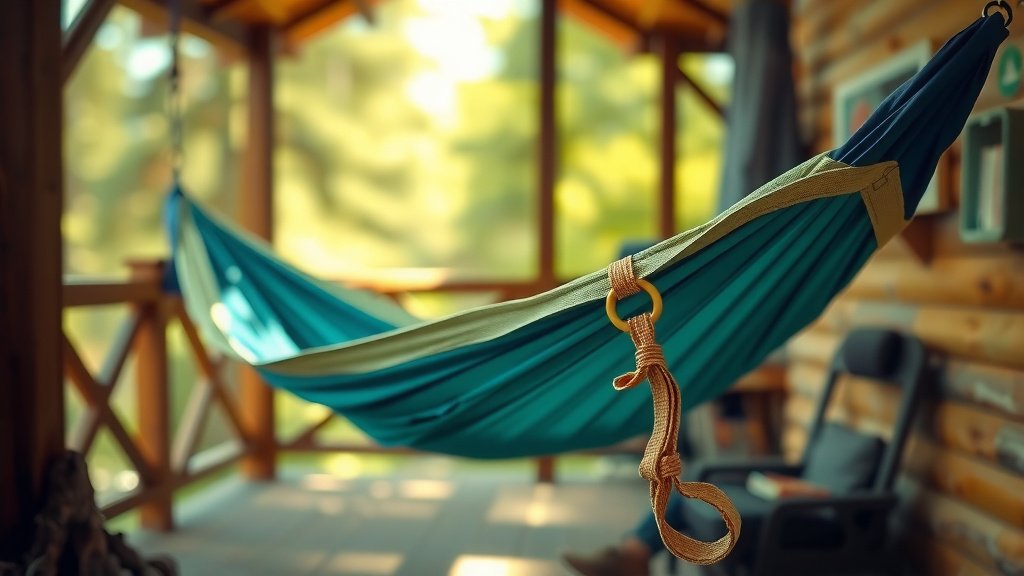
Don’t forget the other parts of your suspension system. The stitching that holds loops or attaches buckles can fray or break. The metal hardware, like carabiners or buckles, can also develop issues. Look for **cracks, rust, or deformities** in the metal. Check the stitching for any loose threads or signs of separation. These can be failure points just as much as the strap material itself.
Signs of Compromised Strength: When Performance Drops
Sometimes, the signs aren’t as obvious as a visible cut. You might notice changes in how the straps perform. These subtle cues are just as important to heed.
Loss of Stiffness or Elasticity: Feeling Different
New straps often have a certain stiffness or a slight amount of give. If your straps feel overly limp, mushy, or have lost their original texture, it can indicate **material breakdown**. They might not hold tension as well. They could also be more prone to stretching under load. Trust your senses; if they feel “off,” investigate further.
Discoloration: A Faded Warning
While UV exposure causes fading, other forms of discoloration can also be a warning. If your straps have developed **strange spots or patches** of color that weren’t there before, it could be a sign of chemical exposure or internal degradation. It’s not just about looking old; it’s about the material changing.
A Quick Reference: When to Inspect and Replace
To make things simple, here’s a handy checklist. Keep this in mind when you’re setting up or taking down your hammock.
- Regular Inspections: Check your straps at least once a month.
- After Rough Weather: Inspect after strong winds or heavy rain.
- Before Extended Use: Always check before a long camping trip.
- Seasonally: A good time to do a thorough check is at the start and end of hammock season.
| Usage Frequency | Typical Lifespan (Years) | Signs to Watch For |
|---|---|---|
| Light Use (Monthly) | 2-3 | Fraying, UV damage, stiff stitching |
| Moderate Use (Weekly) | 1.5-2.5 | Cuts, minor stretching, fading color |
| Heavy Use (Daily/Multiple Times Weekly) | 1-2 | Significant wear, visible damage, hardware issues |
| Constant Exposure (Left outdoors) | < 1 | Rapid degradation, brittleness, mildew |
Checklist for Peace of Mind
Here are a few key points to remember. They’ll help you stay on top of strap maintenance and avoid any surprises. It’s all about keeping your relaxation safe and sound.
- Inspect for any **cuts, nicks, or abrasions**.
- Look closely for any signs of **fraying threads** or unraveling.
- Check if the material feels **brittle, overly stiff, or mushy**.
- Examine stitching around loops and hardware for **weakness**.
- Ensure metal hardware has no **rust or cracks**.
- Note any significant **fading or discoloration** of the fabric.
Conclusion
Your hammock straps are more than just accessories; they’re your primary safety link to your relaxing escape. Regularly inspecting them for any signs of wear, from minor fraying to UV damage, is essential. Remember that even straps that look okay can degrade over time, with most lasting between one to three years depending on use and conditions. Don’t wait for a failure to happen. Make a habit of checking your straps before each hang, and commit to replacing them proactively when you spot any warning signs or reach their expected lifespan. Your peace of mind, and your safety, depend on it.
Frequently Asked Questions
How often should I really be checking my hammock straps?
We recommend checking your hammock straps at least once a month for general wear and tear. It’s also wise to give them a quick inspection before any extended camping trip or after they’ve been exposed to rough weather like strong winds or heavy rain. This routine ensures you catch any developing issues early.
My straps look okay, but they’re a few years old. Should I still replace them?
Yes, it’s a good idea. Even without visible damage, the material in hammock straps can degrade over time due to UV exposure, moisture, and general stress. Most straps have a lifespan of 1-3 years with regular use. Replacing them proactively, even if they appear intact, is the safest approach.
Can I wash my hammock straps to clean them?
You can generally rinse or spot-clean your hammock straps with mild soap and water. However, avoid harsh chemicals or machine washing, as these can damage the fibers. Always ensure they are completely dry before storing them to prevent mildew and mold, which can weaken the material.
What does UV damage on hammock straps look like?
UV damage often appears as a chalky residue on the strap’s surface, or a significant loss of original color. The material might also feel more brittle or stiff than it used to. Even if there are no cuts or fraying, this degradation can compromise the strap’s strength.
If one strap shows damage, do I need to replace both?
Absolutely. You should always replace hammock straps in pairs. Even if one strap looks perfectly fine, it’s likely experienced similar wear and tear as the damaged one. Using mismatched or worn straps creates an unbalanced load and increases the risk of failure for both.