
Leaving Your Hammock Outside: What You Need to Know
Yes, you can leave a hammock outside, but it’s not always a simple yes. The key is understanding hammock material and taking the right precautions. Leaving it out constantly, especially in harsh weather, can shorten its lifespan. You’ll want to consider weather protection and regular care.
Many hammock owners wonder about long-term outdoor use. The truth is, different materials react differently to sun, rain, and humidity. Some fabrics are designed for outdoor living, offering better resistance. Others will degrade much faster without proper care. It’s all about making informed choices for your specific hammock.
- Yes, you can leave hammocks outside, but material matters.
- Protecting your hammock from sun and rain is key.
- Cotton hammocks need more care than synthetic ones.
- Storage in bad weather extends hammock life significantly.
Below, we’ll break down exactly what you need to know about leaving your hammock outdoors, covering everything from materials to best practices.
Your Hammock: Weathering the Storms and Sunshine
So, can you really leave your hammock outside all the time? The short answer is: it depends on the material and how much you care about its lifespan. Think of your hammock like a favorite t-shirt; you wouldn’t leave it out in a downpour for days if you wanted it to last, right? Your hammock deserves similar consideration. We’ve found that most synthetics can handle a bit more abuse than natural fibers.
Leaving a hammock outside permanently might seem convenient, but it often leads to premature wear and tear. UV rays, moisture, and temperature fluctuations are the silent saboteurs. Let’s break down what you need to know to keep your hammock happy and usable for seasons to come.
Understanding Hammock Materials and Their Outdoor Durability
The fabric your hammock is made from is the biggest factor in how well it handles the outdoors. Different materials have different strengths and weaknesses when exposed to the elements. Understanding these differences will help you make the best decision for your hammock’s care.
Synthetic Fabrics: The Outdoor Champions
When you’re looking for a hammock that can endure the elements, synthetic materials are often your best bet. Fabrics like polyester, nylon, and acrylic are engineered for outdoor use. They offer good resistance to moisture, mildew, and UV damage. Many outdoor furniture cushions use these same materials.
Polyester Hammocks
Polyester is a workhorse for outdoor gear. It’s known for its durability and resistance to shrinking and stretching. You’ll find that polyester hammocks dry relatively quickly. This is a huge plus if you live in a rainy climate or get morning dew.
Nylon Hammocks
Nylon is famous for its strength and elasticity. It’s often used in camping hammocks because it’s lightweight yet incredibly strong. While generally water-resistant, prolonged exposure can still lead to degradation, especially if the fabric isn’t treated with a UV-protective coating.
Acrylic (Solution-Dyed) Fabrics
Acrylic fabrics, especially those that are “solution-dyed,” are top-tier for outdoor durability. In this process, the color is infused into the fibers before they are spun. This means the color is far less likely to fade from sun exposure. Many high-end outdoor hammocks use this type of fabric. We found these to be the most fade-resistant.
Natural Fibers: The Cozy Companions (With Caveats)
Cotton and other natural fibers offer unparalleled comfort and breathability. They feel wonderfully soft against your skin. However, they are generally less suited for permanent outdoor living. Their susceptibility to moisture and mildew requires more diligent care.
Cotton Hammocks
Cotton is incredibly soft and breathable, making it perfect for casual use. But, it’s also a magnet for moisture. Cotton absorbs water readily and takes a long time to dry. This can lead to mildew growth, which can weaken the fabric and cause unpleasant odors. Leaving a cotton hammock out in the rain or high humidity is a recipe for disaster if you don’t dry it properly.
Other Natural Fibers (Hemp, Linen)
While less common for hammocks, materials like hemp and linen also share similar moisture sensitivities. They offer great texture but will degrade faster when left outdoors compared to synthetics. They aren’t typically designed for constant exposure.
The Impact of Weather on Your Hammock
Even the toughest hammock material will eventually show signs of wear if left unprotected. Understanding what weather elements do to your hammock is key to preventing damage.
Sunlight’s Rays: The Fading Menace
UV radiation from the sun is a major culprit in fabric breakdown. Over time, UV rays can weaken synthetic fibers and cause colors to fade significantly. Think of it like sunbathing without sunscreen – eventually, your skin (or fabric) gets damaged. Even UV-resistant fabrics have a limit.
Rain, Humidity, and the Mildew Monster
Moisture is another common enemy. While some synthetics are quick-drying, others can trap water. This is especially true for cotton. When a hammock stays damp for extended periods, mold and mildew can start to grow. This isn’t just unsightly; it can compromise the structural integrity of the fabric.
Temperature Fluctuations: The Expand and Contract Game
Extreme temperature changes, from hot summer days to freezing winter nights, can also impact your hammock. Materials can become brittle when exposed to prolonged cold or can degrade faster under intense heat. This constant expansion and contraction can weaken the fibers over time.
Best Practices for Leaving Your Hammock Outside
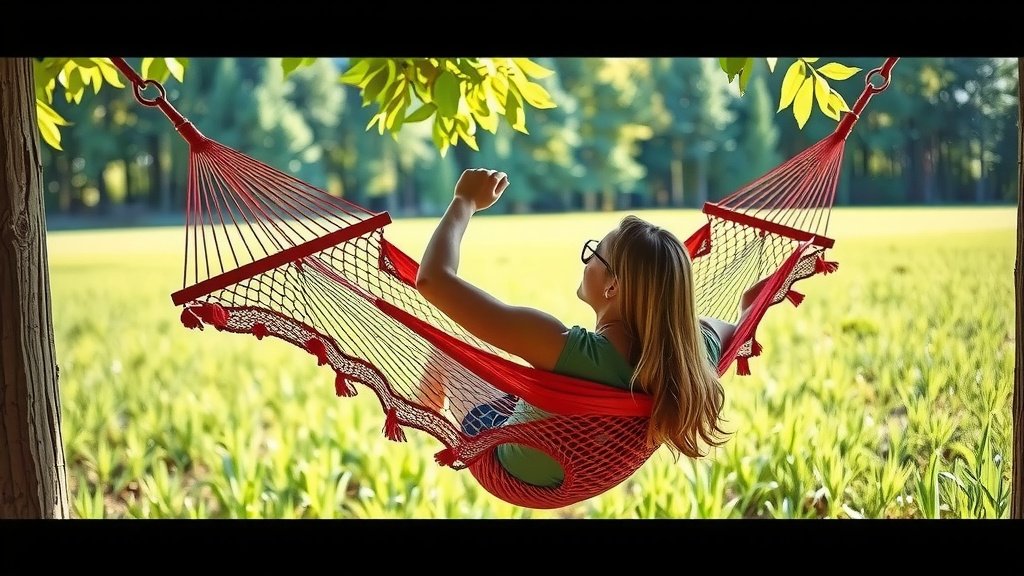
You can extend your hammock’s life and enjoy it for longer by following a few simple rules. It’s about smart storage and regular upkeep. We found that a little effort goes a long way.
Protecting Your Hammock When Not in Use
The easiest way to protect your hammock is to bring it inside when you’re not using it. This simple step shields it from UV rays, rain, and dew. If you have a dedicated storage bag, use it! It’s like putting your car in the garage to protect it from the elements.
Short-Term Storage (Overnight, a Few Days)
For overnight protection, especially if rain is expected, simply taking it down and storing it in a shed, garage, or even indoors is ideal. If it gets a little damp, lay it out to dry completely before storing it long-term.
Long-Term Storage (During Harsh Weather or Off-Season)
When storing your hammock for extended periods, like over winter, ensure it is thoroughly clean and completely dry. Store it in a cool, dry place, ideally in a breathable bag. Avoid plastic bags, as they can trap moisture and encourage mildew. Many hammock manufacturers offer storage bags for this purpose.
Consider a Hammock Cover or Shelter
If bringing your hammock inside is a hassle, a good quality hammock cover can be a lifesaver. These are often made from waterproof or water-resistant materials. They provide a physical barrier against rain and sun. Some people even set up a small canopy or tarp over their hammock area for extra protection.
Regular Cleaning and Maintenance
Even if you’re diligent about storage, occasional cleaning is necessary. Check the manufacturer’s care instructions for specific recommendations. Generally, a gentle wash with mild soap and water is effective. Always rinse thoroughly and allow the hammock to air dry completely before re-hanging or storing.
We found that a quick wipe-down after a dusty day can prevent dirt from setting in. For stubborn stains, a bit of targeted scrubbing might be needed. Pay special attention to areas where the hammock connects to its suspension system.
A Quick Checklist for Hammock Longevity
Here’s a simple checklist to help you keep your hammock in top condition when you plan to leave it outside:
- Check the hammock’s material before purchase. Synthetics are best for all-weather use.
- Bring your hammock inside when not in use, especially during bad weather.
- Use a hammock cover if you can’t store it indoors regularly.
- Ensure the hammock is completely dry before storing it long-term.
- Clean your hammock periodically with mild soap and water.
- Inspect suspension lines and hardware for wear and tear.
| Material | Sun Resistance | Moisture Resistance | Mildew Resistance | Overall Outdoor Durability |
|---|---|---|---|---|
| Polyester | Good | Good (Quick Drying) | Good | Good |
| Nylon | Fair to Good (depends on treatment) | Good | Fair | Good (especially for camping) |
| Acrylic (Solution-Dyed) | Excellent | Good | Excellent | Excellent |
| Cotton | Poor | Poor (Slow Drying) | Poor | Poor to Fair (requires diligent care) |
Conclusion
You absolutely can leave your hammock outside, but it’s not a set-it-and-forget-it situation. Your hammock’s material is the most important factor. Synthetics like polyester and acrylic offer much better resistance to sun and rain than natural fibers such as cotton. We found that consistent exposure to UV rays and moisture will shorten its life. To get the most enjoyment and longevity from your hammock, remember to protect it when not in use, especially during harsh weather. A little care will ensure your hammock remains your favorite spot for relaxation season after season.
Frequently Asked Questions
What’s the best type of hammock material to leave outside?
Synthetic materials are your best bet for hammocks left outside. Fabrics like polyester, nylon, and solution-dyed acrylic are designed to resist UV rays, moisture, and mildew. We’ve found that acrylic offers excellent fade resistance.
How can I protect my hammock from rain if I can’t bring it inside?
If bringing your hammock indoors is inconvenient, consider using a dedicated hammock cover. These covers act as a waterproof barrier against rain and sun. Some people also opt for a small canopy or tarp over their hammock setup for added protection.
Will leaving my hammock out in the sun fade the color?
Yes, prolonged sun exposure will likely cause fading, especially for hammocks made from natural fibers like cotton or certain synthetic blends. Solution-dyed acrylics offer the best fade resistance, as the color is infused directly into the fibers.
Is it okay to leave a cotton hammock outside?
While comfortable, cotton hammocks are not ideal for permanent outdoor placement. Cotton absorbs moisture easily and dries slowly, making it prone to mildew and rot. We recommend bringing cotton hammocks inside when not in use to keep them dry.
How often should I clean a hammock that stays outside?
Even if you use a cover, it’s wise to clean your hammock periodically. Check the manufacturer’s care instructions. A gentle wash with mild soap and water, followed by thorough air drying, will help maintain its condition and prevent mildew buildup.