What Is a Hammock? Your Guide to Cozy Relaxation
A hammock is a simple sling of fabric, netting, or rope used for sleeping, relaxing, or swinging. It’s basically a comfortable suspension system. Think of it as your personal, portable cloud. Hammocks offer a unique way to unwind and can be hung between two anchor points, like trees or posts.
Many people think of hammocks as just for tropical beaches. But they’ve been around for centuries in various forms. They provide a gentle rocking motion that many find incredibly soothing. You can use them indoors or outdoors for a peaceful escape.
- A hammock is a suspended sling for resting.
- They are hung between two anchor points.
- Hammocks offer a soothing rocking motion.
- They can be used indoors or outdoors.
Ready to learn more about these delightful creations? Below, we break down everything you need to know about what a hammock is and how you can enjoy one.
Understanding the Hammock: Your Personal Relaxation Station
So, what exactly is a hammock? At its core, it’s a simple sling. This sling is made from various materials. You can suspend it between two strong points. Think trees, posts, or a dedicated stand. It creates a cozy, suspended bed or seat. Many people find the gentle sway incredibly relaxing. It’s like a gentle hug that rocks you to sleep or a peaceful state.
A Brief History of Hammocks
Hammocks aren’t a new invention at all. In fact, they have a long and fascinating history. Many cultures have used hammock-like structures for centuries. Indigenous peoples in Central and South America are credited with early hammock designs. They used them for sleeping, protection from insects, and even as a way to keep off the damp ground (Smithsonian Magazine). This practical design spread globally. Sailors adopted them on ships. They saved space and reduced seasickness. The idea of a portable, comfortable resting spot has always been appealing.
From Practicality to Pure Comfort
Initially, hammocks were about utility. They offered practical benefits in various environments. Over time, their potential for relaxation became more apparent. People realized how wonderfully calming the motion was. It’s a feeling that’s hard to replicate. This led to hammocks evolving into the comfort items we know today. They are now popular for backyard lounging, camping, and even indoor napping.
Types of Hammocks You Can Find
When you start looking, you’ll notice there are many kinds of hammocks. Each type offers a slightly different experience. Let’s break down the most common ones you’ll encounter.
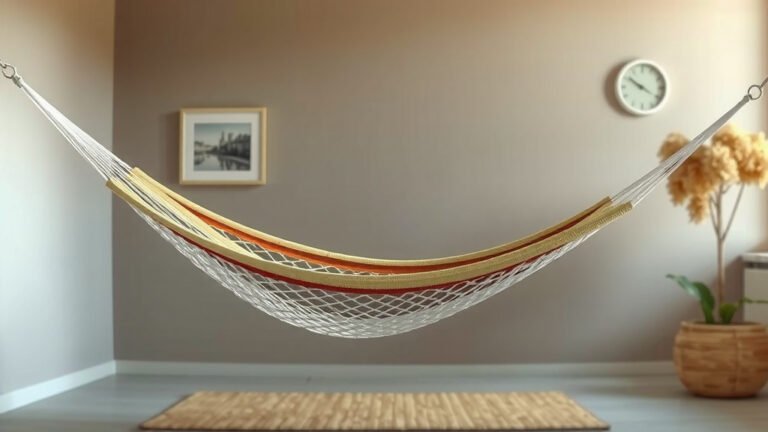
The Classic Rope Hammock
This is often what comes to mind. It’s made of woven rope, usually cotton or polyester. The rope creates a supportive, breathable surface. You get a nice, airy feel. The downside is that the ropes can sometimes leave marks on your skin. It’s also best used when it’s dry. Moisture can damage the ropes over time.
The Fabric Hammock
Fabric hammocks are incredibly popular for good reason. They are made from durable materials like nylon or cotton canvas. These hammocks offer a more solid surface to lie on. They tend to be very comfortable and supportive. You won’t have the issue of ropes digging in. Many are designed to be weather-resistant, making them great for outdoor use. Some popular choices include parachute hammocks, which are lightweight and packable.
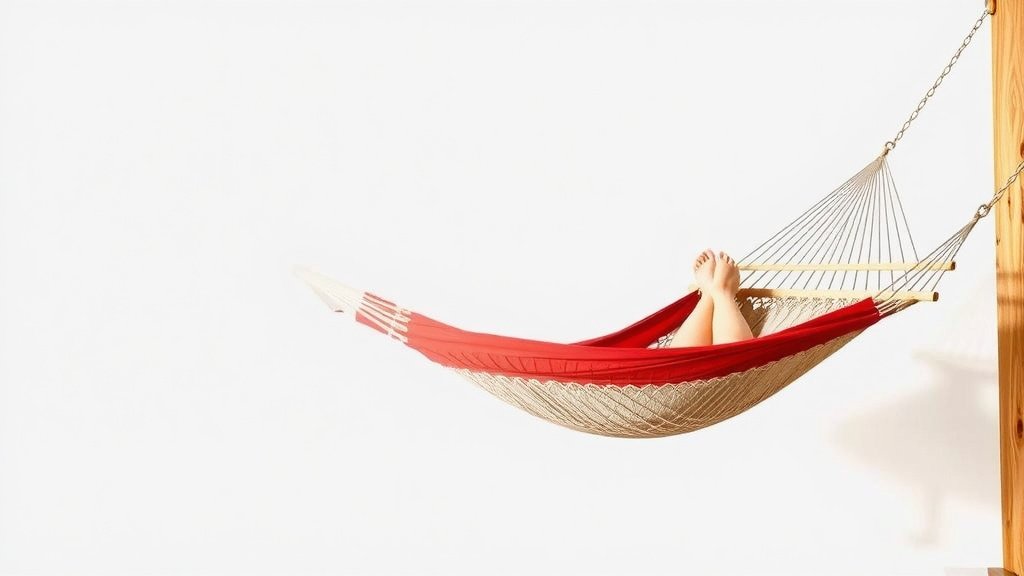
Spreader Bar Hammocks
Within fabric or rope types, you might see spreader bars. These are wooden or metal bars at each end. They keep the hammock open and prevent you from sinking too much into a “cocoon.” This style is great if you prefer a flatter surface. However, they can be less stable. A slight shift in weight might tip you over. You need to be a bit careful when getting in and out.
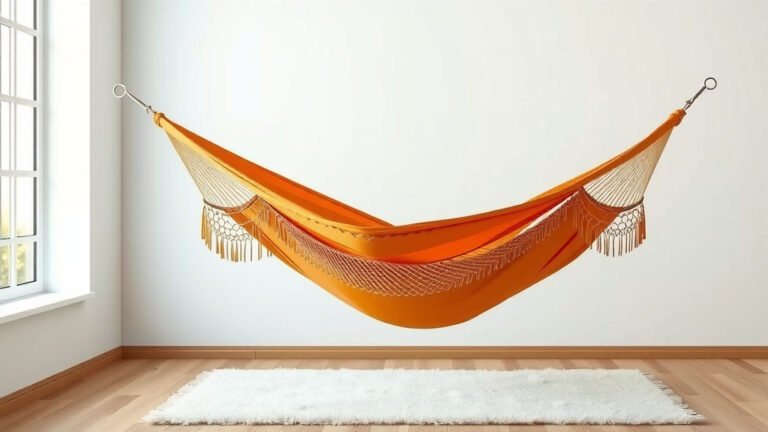
Brazilian Hammocks
These are a type of fabric hammock that’s particularly soft and comfortable. They are often made from a tightly woven cotton. Unlike spreader bar hammocks, they are designed to cocoon you. This means you can sink into them. They offer excellent support without feeling restrictive. You might feel more enclosed, which many find extra cozy. They are a favorite for pure lounging.
The Hammock Chair
Looking for something for a single person? A hammock chair might be perfect. It’s essentially a hammock designed to hang vertically like a chair. You sit in it, and it cradles your body. They are fantastic for reading, enjoying a cup of coffee, or just relaxing. They require less space than a full hammock. You can hang them from a ceiling hook indoors or a sturdy branch outdoors.
What Makes a Hammock So Appealing?
Why do people love hammocks so much? It seems to be a combination of factors. Research suggests that the rocking motion is key. This gentle swaying can mimic the feeling of being held. It can actually help reduce stress and anxiety (University of Vermont). It’s like a natural lullaby for your nervous system. Plus, the unique way it supports your body is different from a bed or chair. It distributes your weight evenly. This can relieve pressure points.
The Benefits of Hammock Napping
Studies have shown that napping in a hammock can be beneficial. The rocking motion can help you fall asleep faster. It can also lead to deeper sleep. This means you wake up feeling more refreshed. Experts point out that the combination of gentle motion and gentle pressure can induce sleep. It’s a great way to recharge during the day.
Choosing Your Hammock: What to Consider
Ready to get your own hammock? Think about a few things first. Where will you use it? How many people will use it at once? What’s your budget? These questions will guide you to the right choice.
Material Matters
Consider the materials for durability and comfort. Cotton is soft and breathable but can be damaged by weather. Polyester and nylon are more weather-resistant and durable. Rope hammocks offer great airflow but can be less comfortable for some. Fabric hammocks provide a smoother surface.
Size and Weight Capacity
Make sure the hammock you choose can support the weight of the intended users. Hammocks come in single, double, and even family sizes. Check the weight limit carefully. This ensures safety and longevity.
Suspension System
How will you hang your hammock? You might use tree straps if you have suitable trees. Hammock stands are a great option if you don’t have trees or want portability. Ensure your suspension method is strong and secure. Always double-check the anchors.
Essential Hammock Accessories
To get the most out of your hammock, you might want a few extras.
- Hammock Stand: If trees aren’t an option, a stand is a must.
- Tree Straps: Protect trees and offer secure hanging points.
- Bug Net: Keep pesky insects away, especially for camping.
- Rain Tarp: Stay dry if unexpected weather rolls in.
- Pillow: Enhance comfort for longer lounging sessions.
Where Can You Set Up Your Hammock?
The beauty of a hammock is its versatility. You can enjoy one almost anywhere!
Backyard Bliss: String it between two sturdy trees or set up a stand. It becomes your personal oasis.
Camping Companion: Lightweight hammocks are perfect for backpacking. They offer a comfortable night’s sleep above the ground.
Indoor Nook: With a proper ceiling mount or stand, you can have an indoor hammock. It adds a cozy, relaxed vibe to any room.
Beach Days: Many people love a hammock on the beach. Just find two palm trees and relax.
Balcony or Patio: A hammock chair or a small hammock can fit perfectly on a balcony.
Conclusion
You now understand that a hammock is much more than just a hanging bed. It’s a versatile piece of comfort, deeply rooted in history and designed for relaxation. From classic rope styles to modern fabric variations and space-saving hammock chairs, there’s a perfect option for your needs. Embracing a hammock can bring a unique sense of calm to your daily life. Ready to experience it yourself? Consider where you’ll hang your first hammock and choose the style that best suits your personal retreat.
Frequently Asked Questions
How do I know if a hammock is safe to use?
Always check the hammock’s weight capacity before use. Ensure the anchor points (like trees or stands) are sturdy and can support the total weight. If using straps, make sure they are rated for hammocks and are in good condition.
Can I leave my hammock outside all the time?
It depends on the material. Cotton and rope hammocks are best brought inside when not in use, especially in wet weather, to prevent damage. Weather-resistant fabrics like polyester or nylon can often be left out, but regular cleaning and inspection are still recommended.
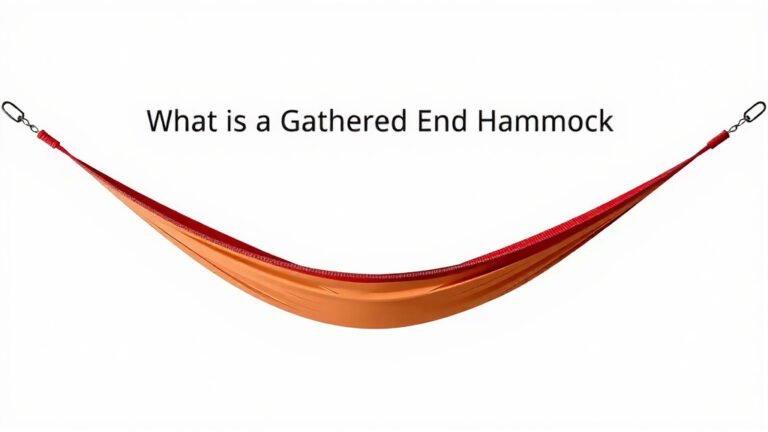
What’s the difference between a spreader bar and a gathered-end hammock?
Spreader bar hammocks have bars at each end to keep them open and flat, preventing you from sinking too deep. Gathered-end hammocks, like Brazilian or parachute styles, allow you to sink in and cocoon yourself for a cozier feel.
Are hammocks good for your back?
Many people find hammocks very comfortable because they distribute weight evenly, which can relieve pressure points unlike a rigid bed or chair. The gentle rocking motion can also be soothing for muscles and joints.
Can I hang a hammock without trees?
Absolutely! Hammock stands are an excellent alternative if you don’t have suitable trees. They provide a stable and portable way to set up your hammock in a backyard, on a patio, or even indoors.