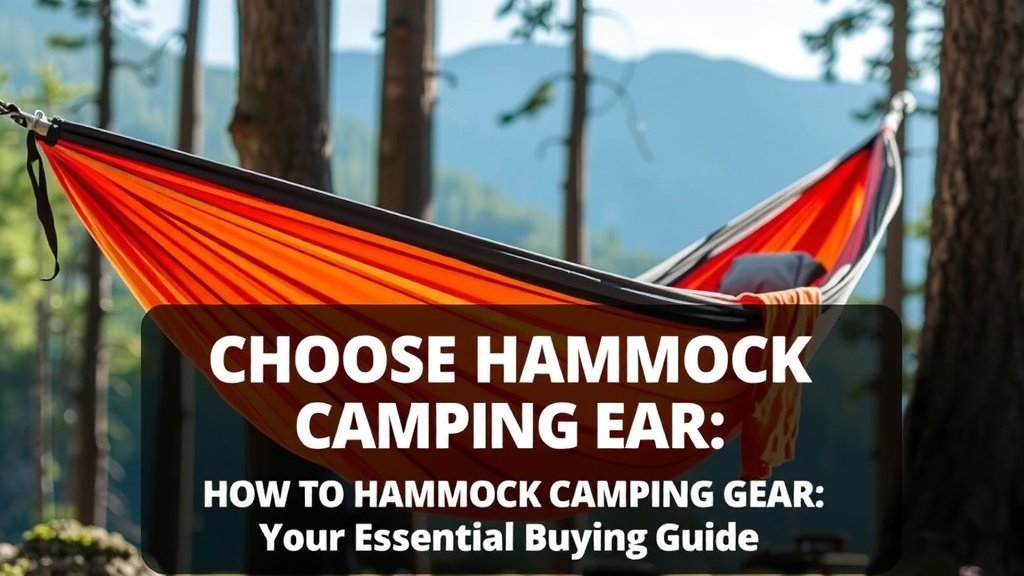
Choose Hammock Camping Gear: Your Essential Buying Guide
Choosing the right hammock camping gear Choosing the right hammock camping gear is crucial for comfort and safety on your adventures. makes all the difference for a comfortable night outdoors. You’ll need a sturdy hammock, a warm sleeping bag or quilt, and a way to stay dry from above and below. Getting these basics right ensures you can relax and enjoy your trip without a second thought.
Beyond the essentials, think about your specific needs. Will you be camping in warm weather or facing chilly nights? Do you plan on car camping or backpacking where weight is a concern? Understanding these factors helps you select the best hammock and accessories for your adventures.
- Hammock: Choose one rated for your weight.
- Insulation: Select a sleeping bag or quilt rated for the lowest temps.
- Bug Net: Essential for insect-prone areas.
- Tarp: Protects you from rain and dew.
- Suspension System: Straps or whoopies for easy setup.
We’ve researched and found the key pieces of gear that make hammock camping a dream. Let’s walk through exactly what you’ll need to get started!
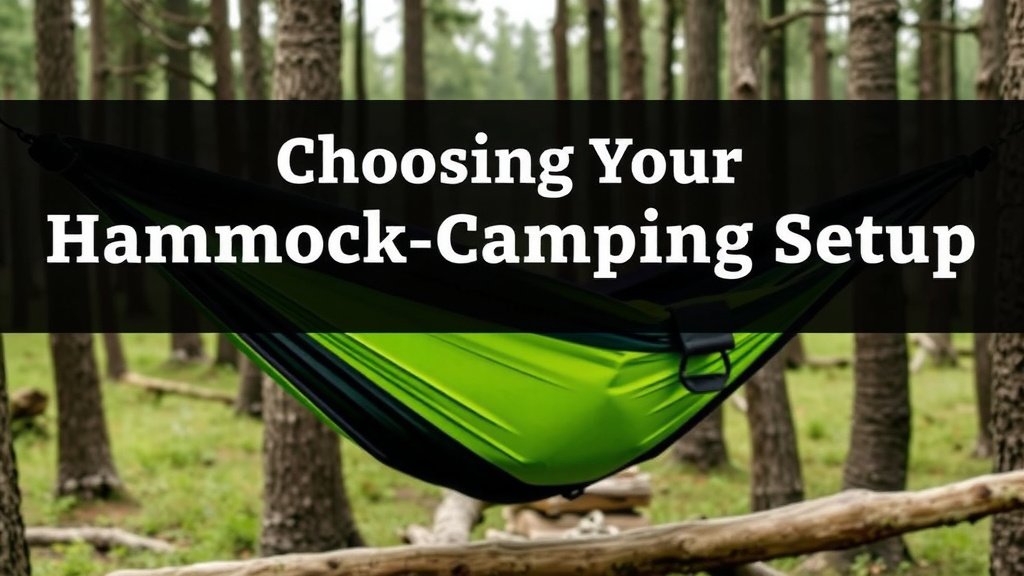
Choosing Your Hammock Camping Setup
Picking out the right hammock camping gear is like getting ready for a cozy, elevated nap. You want to make sure you have everything you need for a comfortable night under the stars. Think of it as building your perfect portable bed. We’ve looked at what makes a hammock setup great, and it all starts with the core components.
The Hammock Itself: Your Aerial Bed
Your hammock is your primary piece of gear. It’s where you’ll be sleeping, so comfort and safety are key. When you’re looking for one, pay attention to the weight rating. Most hammocks are designed for a specific maximum weight, usually around 250 to 400 pounds. Always choose one with a rating well above your own weight to be safe.
Material Matters
Hammocks are often made from nylon, polyester, or parachute cloth. Nylon is a popular choice because it’s lightweight, strong, and packs down small. Parachute cloth, a type of ripstop nylon, is particularly durable and breathable. Polyester is more resistant to stretching, especially when wet, but can be a bit heavier.
Size and Shape
Hammocks come in various lengths and widths. A longer and wider hammock generally offers more comfort and a flatter lay, which is important for sleeping. We found that hammocks around 10 to 11 feet long are a sweet spot for most people. Wider hammocks (over 5.5 feet) can also help you find that perfect diagonal sleeping position.
Staying Warm: Insulation is Key
Even on a cool summer night, the air moving under your hammock can steal your body heat. This is called the ‘cold butt syndrome’, and nobody wants that! You need insulation both above and below you.
Your Sleeping Bag or Quilt
For sleeping, you have a couple of options. A traditional sleeping bag works, but it can get compressed under your body in a hammock, losing its insulating power. That’s why many hammock campers prefer a quilt.
A quilt is essentially a sleeping bag without a bottom. It drapes around you, trapping heat. We found that quilts are often more comfortable in a hammock because they don’t have that compressed, cold bottom. Look for a quilt or sleeping bag with a temperature rating that suits the coldest conditions you expect to encounter. For example, if the lows might hit 30°F, a 20°F rated bag or quilt is a good choice. This gives you a buffer.
Underquilts: The Hammock Camper’s Secret Weapon
This is where a lot of the magic happens for warmth. An underquilt hangs underneath your hammock. It’s filled with down or synthetic insulation and stays lofted, meaning it continues to insulate your back even when you’re lying on it. We’ve seen that many experienced hammock campers swear by them. They provide consistent warmth no matter how you shift around.
When choosing an underquilt, consider its temperature rating and how it attaches to your hammock. Many use shock cords that loop around the hammock suspension. Make sure it covers the full length of your hammock for maximum warmth.
Staying Dry: Protection from Above and Below
You need to protect yourself from rain and dew. This usually involves a tarp overhead and sometimes a bug net.
The Essential Tarp
A tarp is your shelter from the elements. It can be a simple rectangular or diamond-shaped tarp, or a more specialized ‘bridge’ or ‘asymmetrical’ tarp designed for hammocks. We found that larger tarps offer more coverage, especially in windy or rainy conditions.
Consider the shape and size. A 10×10 foot tarp is a good starting point for general use. Some tarps have built-in tie-outs and a catenary curve (a gentle inward curve along the edges) that helps create a taut, stable shelter. The material is usually silnylon or silpoly, which are waterproof and lightweight.
Bug Nets: Your Shield Against Pesky Critters
If you’re camping anywhere with mosquitoes, black flies, or no-see-ums, a bug net is non-negotiable. You can get integrated nets that are part of the hammock itself, or separate nets that you can add on. We found that separate nets offer more flexibility.
Some hammocks come with a built-in bug net, which is convenient. Others require you to hang a separate net over your hammock. If you choose a separate net, make sure it’s long enough to cover your entire hammock and has a good way to seal it off at the ends.
Hanging Your Hammock: Suspension Systems
You need a way to attach your hammock to trees. This is called the suspension system. The most common types are tree straps and whoopie slings.
Tree Straps vs. Whoopie Slings
Tree straps are simple webbing straps that you loop around a tree and then connect to your hammock. They are easy to use and distribute the weight evenly on the tree, which is better for the bark. Many come with multiple loops for easy adjustment. We found that straps are a great option for beginners.
Whoopie slings are made from a continuous loop of thin, strong cordage. They use a friction hitch to adjust the length. They are incredibly lightweight and adjustable, but can take a little practice to get the hang of. They are a favorite among backpackers for their minimal weight.
No matter which you choose, ensure your suspension system is rated for your weight and the environment. Always check the condition of your straps or slings before each use. We’ve seen many recommendations to avoid using thin rope, as it can damage trees and is less secure.
Your Hammock Camping Gear Checklist
Here’s a quick rundown of the essentials to get you started:
- Hammock with a sufficient weight rating.
- Insulated sleeping bag or quilt rated for expected temperatures.
- Underquilt for cold-weather comfort.
- Waterproof tarp for rain and dew protection.
- Bug net, especially in buggy areas.
- Tree straps or whoopie slings for secure hanging.
Conclusion
You’ve now got the roadmap to choosing your perfect hammock camping gear. Remember, it’s all about balancing comfort, warmth, and protection for your specific needs. We’ve seen how the right hammock, insulation, tarp, and suspension system make all the difference. Don’t just dream about a cozy night outdoors; make it happen!
Your next step is simple: start researching those key pieces. Look for gear that fits your budget and planned adventures. Your elevated camping experience awaits!
Frequently Asked Questions
What’s the biggest mistake beginners make with hammock camping gear?
A common mistake is underestimating the need for insulation, especially an underquilt. Many beginners experience “cold butt syndrome” because the air underneath the hammock is colder. We’ve found that proper insulation makes a huge difference for comfort.
Can I use my regular tent sleeping bag in a hammock?
You can, but it’s not ideal. A regular sleeping bag can compress under your weight, losing its loft and insulating power. A quilt or a hammock-specific bag is often a better choice for maintaining warmth and comfort when sleeping suspended.
How important is the hammock’s weight rating?
It’s extremely important for safety. Always choose a hammock with a weight rating significantly higher than your own body weight. This provides a safety margin and ensures the hammock won’t fail under stress.
Do I really need a separate bug net if my hammock has a built-in one?
Sometimes. If your integrated bug net has small mesh and seals well, it might be sufficient. However, a separate, larger bug net can offer more space and better protection, especially in areas with persistent insects.
Are whoopie slings or tree straps better for hanging a hammock?
Both have advantages. Tree straps are user-friendly and gentle on trees, making them great for beginners. Whoopie slings are lighter and more adjustable, favored by backpackers, but require a bit more learning to set up correctly.