
Best Trees for Hammocks: Your Guide to Relaxing Outdoors
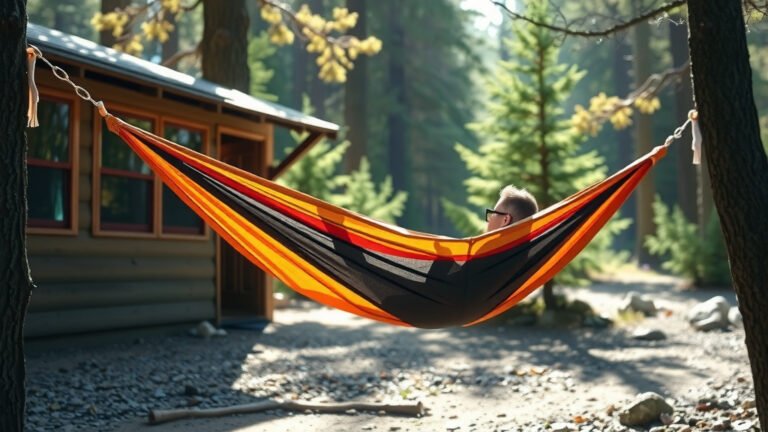
When picking trees for your hammock, you want sturdy ones with strong branches. Look for trees that are at least 12 inches thick. These are usually mature hardwoods like oaks, maples, or beeches. They can comfortably support your weight and keep your hammock secure for a relaxing afternoon.
Choosing the right trees makes all the difference between a great hang and a disappointing one. You need trees that are healthy and alive. Avoid any with signs of disease or damage. A strong anchor means a more enjoyable and safe hammock experience for everyone.
- Pick sturdy trees, at least 12 inches thick.
- Hardwoods like oak, maple, and beech are great choices.
- Ensure trees are healthy and free from disease.
- Strong trees mean a safe and enjoyable hammock session.
Let’s walk through exactly what makes a tree a good hammock host, so you can find the perfect spot for your next outdoor nap.
Finding the Perfect Hammock-Hosting Trees
So, you’ve got your hammock, and you’re ready for some serious relaxation. But wait! Not every tree is built for this. Picking the right trees is key to a safe and comfortable hang. We’ll guide you through what to look for, so you can avoid any hammock mishaps.
What Makes a Tree Hammock-Ready?
The best trees for hammocks are those that are **strong, healthy, and mature**. Think of them as nature’s sturdy posts. You need them to support your weight and the weight of anyone joining you. A good rule of thumb is to look for trees with a diameter of at least 12 inches. This measurement is usually taken at chest height. Smaller trees might bend or even break under pressure. Larger trees are generally more stable and reliable.
Diameter Matters: The 12-Inch Rule
Why 12 inches? This diameter indicates that the tree has had time to develop a **strong core and sturdy root system**. It’s like a well-built house needing a solid foundation. A tree that’s too thin might not be able to withstand the outward pull from your hammock straps. Research by the Appalachian Trail Conservancy suggests that trees between 12 and 18 inches in diameter are ideal for hanging.
Health is Wealth: Signs of a Robust Tree
A big tree isn’t always a good tree. You must inspect it for signs of illness or damage. Look for **cracks, deep gashes, or large dead branches**. Are there signs of insect infestation, like excessive sawdust or holes? Is the bark peeling off in large sections? A healthy tree has smooth, intact bark and a full canopy of leaves in season. If you see any of these warning signs, it’s best to move on to another tree.
Tree Species That Shine for Hammock Hanging
Not all tree types are created equal when it comes to supporting a hammock. Certain species are known for their **robust wood and resilience**. These are the veterans of the forest, the ones that have stood the test of time and weather.
The Hardwood Heroes: Oaks, Maples, and Beeches
Many experts point to hardwoods as the **premier choice for hammock hanging** (Forestry Bureau). Trees like oaks, maples, and beeches have dense wood that is incredibly strong. An oak tree, for example, is like a mighty oak – it’s built to last. These trees typically have a strong, upright growth habit and broad trunks that can easily handle the load. You’ll find them to be reliable anchors for your relaxation station.
Other Dependable Options
While oaks, maples, and beeches are top-tier, other species can also be great hammock hosts. Mature **hickory, elm, or ash trees** are often excellent choices too. They share that same dense, strong wood characteristic. Just remember to always check the individual health and diameter of the tree, regardless of its species. A healthy individual tree is always better than a weak one, no matter how strong its species is known to be.
Trees to Avoid for Your Hammock Setup
Just as some trees are perfect, others are definite no-gos. You want to be safe, not sorry. Certain tree types are simply not suited for bearing the weight and stress of a hammock.
The Softwood Suspects: Pines and Firs
Softwood trees, such as pines, firs, and spruces, are generally **less ideal for hammock hanging**. Their wood is much softer and less dense than hardwoods. This means they are more prone to damage, splintering, or even breaking under strain. While a very large, mature pine might seem strong, its internal structure might not be able to handle the consistent pull. It’s better to err on the side of caution with these trees.
The Unstable and Unhealthy
Beyond species, some trees are unsuitable due to their condition or location. **Young saplings** are too small and won’t provide adequate support. Trees growing at **steep angles** or on eroded soil might have compromised root systems. Also, avoid any trees that are leaning heavily or appear to be dead or dying. Your hammock deserves a **dependable and secure foundation**.
A Quick Checklist for Tree Selection
Ready to find your perfect hammock spot? Keep this simple checklist in mind:
- Diameter: Is the tree at least 12 inches thick at chest height?
- Health: Are there any signs of cracks, rot, or disease?
- Species: Is it a sturdy hardwood like oak, maple, or beech?
- Stability: Does the tree grow upright and appear well-rooted?
- No Obstructions: Are there clear paths for your hammock and straps?
Understanding Tree Straps vs. Rope
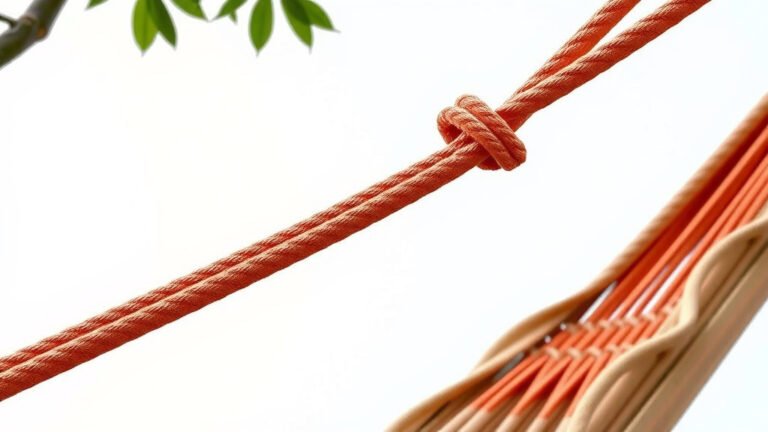
How you attach your hammock also plays a role in tree health. Using wide tree straps is highly recommended. These straps distribute the weight over a larger surface area, reducing the risk of damaging the tree’s bark. This is much better for the tree than using thin ropes that can cut into the bark and cambium layer. Many camping organizations and park services advise using straps specifically designed for hammocks to **minimize environmental impact**.
| Tree Type | Pros for Hammocks | Cons for Hammocks |
|---|---|---|
| Hardwoods (Oak, Maple, Beech) | Very strong, dense wood. Excellent support. Resilient. | Can be harder to find very large specimens in some areas. |
| Softwoods (Pine, Fir, Spruce) | Grow quickly, often abundant. Can be visually appealing. | Weaker wood, prone to damage. Less reliable support. |
| Young/Small Trees | None. | Insufficient diameter and strength. Risk of breakage. |
| Diseased/Damaged Trees | None. | Unsafe. Risk of structural failure. |
By considering these factors, you’ll be well on your way to finding the perfect pair of trees for your hammock adventures. Happy hanging!
Conclusion
You’ve learned that picking the right trees for your hammock is all about smart observation. Prioritize trees that are at least 12 inches thick, ideally sturdy hardwoods like oak, maple, or beech. Always check for signs of health and stability before hanging. Choosing wisely ensures your hammock sessions are safe, secure, and truly relaxing. Now, take this knowledge with you on your next outdoor adventure and find your perfect spot!
Frequently Asked Questions
What if I can’t find a hardwood tree?
If hardwoods aren’t readily available, a very mature, healthy softwood like a large pine could work, but proceed with extra caution. Always conduct a thorough diameter and health check. It’s generally safer to seek out alternative locations if only smaller or questionable trees are present.
Can I hang my hammock from two different types of trees?
It’s best to use two trees of similar strength and species if possible. If you must mix, ensure both trees individually meet all the criteria for a strong, healthy anchor. One weak link can compromise the entire setup and your safety.
How far apart should the trees be?
The distance depends on your hammock’s length. Most standard hammocks require trees to be 10 to 15 feet apart. Always consult your hammock’s manufacturer recommendations for the ideal spacing. Adjust your anchor points accordingly for the best hang.
What’s the risk if I use a tree that’s too small?
Using a tree that’s too small, especially one under 12 inches in diameter, poses a significant safety risk. The tree could bend, break, or be severely damaged, potentially causing your hammock to fall. It could also damage the tree’s bark and cambium layer.
Are there any natural indicators that a tree is unhealthy?
Yes, look for obvious signs like extensive dead branches, mushrooms growing on the trunk or roots, or large, deep cracks in the bark. Excessive woodpecker holes or sawdust around the base can also indicate insect infestation, which weakens the tree.