
What Is a Hammock Stand and How to Use It
A hammock stand is a freestanding frame that allows you to hang a hammock without needing trees or posts. It’s essentially a portable and versatile way to enjoy your hammock anywhere you can set it up, from your backyard to a campsite.
These stands are designed to provide stable support for various hammock types, offering a convenient solution for relaxation. You can find them in a wide array of materials and styles, ensuring there’s an option to suit your aesthetic and practical needs.
- A hammock stand is a freestanding frame.
- It lets you hang a hammock without trees.
- Stands offer stable support for many hammock types.
- You can find them in various materials and styles.
- They make hammocks portable and usable almost anywhere.
Ready to find out what makes a hammock stand so great? Let’s dive into the details of what they are and why you might want one.
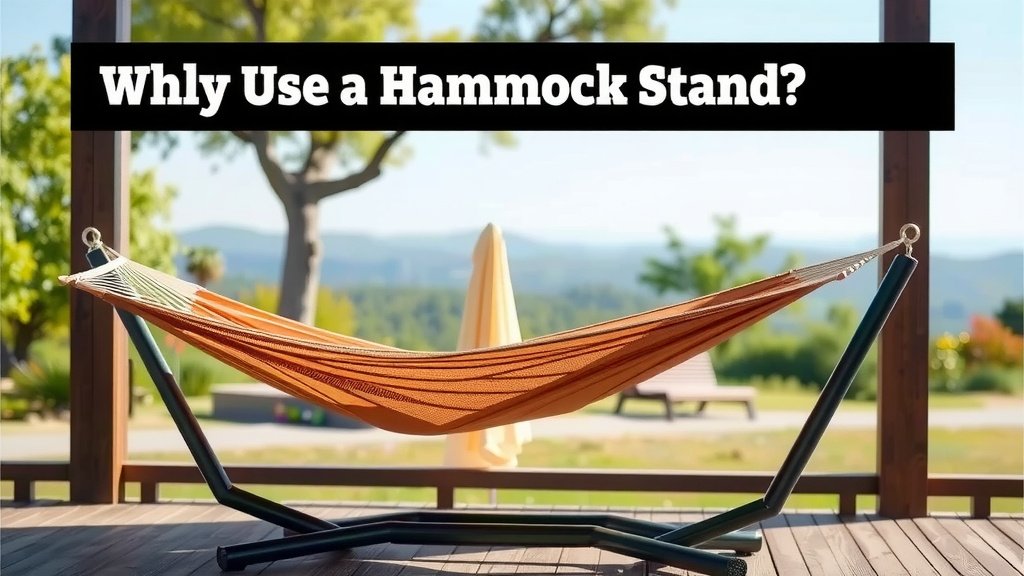
Why Use a Hammock Stand?
A hammock stand is your ticket to backyard bliss, no trees required. It’s a clever invention that brings the relaxation of a hammock to virtually any flat surface. Think of it as a portable foundation for your chill sessions. You can finally enjoy that gentle sway and ultimate comfort wherever you want it.
The beauty of a stand is its flexibility. Unlike traditional hammocks that depend on sturdy trees or posts, a stand provides its own secure anchor. This means you’re not limited by your yard’s existing features. You can set up your hammock on a patio, a deck, a balcony, or even take it with you on a camping trip.
Understanding the Anatomy of a Hammock Stand
So, what exactly goes into making one of these handy frames? It’s all about providing stable, reliable support. The main components work together to hold your hammock safely.
The Frame: The Backbone of Support
The frame is the most visible part. It’s usually made from metal or wood. Metal frames, like steel or aluminum, are often favored for their durability and strength. They can withstand different weather conditions and support heavier weights. Wooden frames offer a more natural, rustic look that can blend beautifully with outdoor decor.
The Joints and Connectors: Where Strength Meets Design
These are the pieces that hold the frame together. Good joints are essential for stability. They ensure the stand doesn’t wobble or feel shaky. High-quality stands use secure fasteners and well-engineered connections. This is where much of the engineering magic happens to keep you safe and sound.
The Hanging Mechanism: The Hammock’s Anchor Point
At each end of the stand, you’ll find the points where your hammock attaches. These are typically hooks, loops, or carabiners. They need to be strong enough to hold the full weight of the hammock and whoever is lounging in it. The design of these points ensures your hammock hangs properly, allowing for that perfect, cozy embrace.
Types of Hammock Stands to Consider
Not all hammock stands are created equal. They come in different designs to suit various needs and preferences. Understanding these differences can help you pick the perfect one for your relaxation station.
The Classic A-Frame Stand
This is perhaps the most recognizable type. An A-frame stand looks like an upside-down letter ‘A’ on each side. The two sides are connected by a crossbar or a central beam. They are known for being remarkably stable. Because the weight is distributed evenly, they offer excellent support. Many are also designed to be easily assembled and disassembled, making them somewhat portable.
The Spreader Bar Stand
A spreader bar hammock is designed to lie flat, rather than create a deep, cocoon-like sag. Hammock stands for these hammocks often have a more linear or rectangular design. They might feature curved arms that extend outwards to hold the hammock’s spreader bars. These stands can offer a very open and inviting feel.
The Curved or Arch Stand
These stands feature an elegant, curved design. They often have a single, large arch that supports the hammock. This creates a very pleasing aesthetic. Many arch stands are made from metal and are incredibly sturdy. The curve itself adds a unique visual appeal to your outdoor space. They can sometimes take up a bit more floor space than other types.
The Portable and Folding Stands
If you plan on taking your hammock on adventures, a portable stand is your best friend. These are designed to be lightweight and often fold down compactly. They might use lighter materials like aluminum or feature innovative folding mechanisms. Setup is usually quick and tool-free. They are perfect for camping, picnics, or visiting friends.
Material Matters: What Are Hammock Stands Made Of?
The material used for your hammock stand greatly affects its look, feel, durability, and price. Let’s break down the common choices.
Steel: The Heavy-Duty Champion
Steel is a popular choice for its strength and resilience. It can handle heavy loads and often comes with protective coatings to prevent rust. Steel stands are built to last. They might be a bit heavier, which can be a downside if you need to move it frequently. We found that many steel stands are also quite affordable for their durability.
Aluminum: Lightweight and Weather-Resistant
Aluminum offers a good balance of strength and lightness. It’s naturally resistant to rust, making it excellent for outdoor use. Aluminum stands are easier to move around than steel ones. While generally strong, very high-quality steel might still offer a slight edge in raw weight capacity. Many aluminum stands have a sleek, modern look.
Wood: Natural Beauty and Charm
Wooden hammock stands bring a warm, natural aesthetic to any setting. Hardwoods like oak, teak, or cedar are often used for their durability and weather resistance. A wooden stand can be a beautiful focal point. However, wood requires more maintenance, such as sealing or oiling, to protect it from the elements. It can also be more expensive and heavier than metal options.
Key Features to Look for in a Hammock Stand
When you’re shopping for a hammock stand, keep these features in mind. They’ll help ensure you get a product that fits your lifestyle and provides the best relaxation experience.
- Weight Capacity: Always check how much weight the stand can safely support. This is non-negotiable for safety.
- Ease of Assembly: If you plan to move it or take it camping, look for stands with simple, tool-free assembly.
- Portability: Consider if you need a stand that folds or disassembles easily for transport.
- Durability and Weather Resistance: Choose materials that can withstand your local climate.
- Aesthetics: Does the stand match your style? You want something that looks good in your chosen spot.
Making Your Choice: A Simple Checklist
Here’s a quick checklist to help you narrow down your options:
- Do you need it to be portable?
- How much weight does it need to hold?
- What kind of look are you going for?
- How much maintenance are you willing to do?
- What’s your budget?
- What type of hammock will you be using?
| Material | Pros | Cons |
|---|---|---|
| Steel | Very strong, durable, affordable | Heavy, can rust if not treated |
| Aluminum | Lightweight, rust-resistant, modern look | Can be more expensive than steel, might be less strong |
| Wood | Beautiful natural look, can be very sturdy | Requires maintenance, can be heavy, more expensive options |
Conclusion
You’ve now learned that a hammock stand is your versatile solution for hammock enjoyment, no trees needed. It provides stable support in various styles and materials, from durable steel to beautiful wood. Think about your needs: portability, weight capacity, and aesthetic. Choosing the right stand means more relaxation for you. Your perfect chill-out spot is just a stand away. Now you’re ready to pick out the ideal stand and start swaying!
Frequently Asked Questions
Can I leave a hammock stand outside all year round?
It depends on the material and any protective coatings. Steel stands may need extra care to prevent rust. Aluminum and treated wood stands generally hold up better outdoors. Always check the manufacturer’s recommendations for your specific stand.
What is the difference between a spreader bar hammock stand and an A-frame stand?
A spreader bar stand typically has a more linear design, holding a hammock flat with spreader bars at each end. An A-frame stand uses two ‘A’ shaped supports for a more traditional, deep-sag hammock. A-frames are often known for exceptional stability.
How do I know if a hammock stand is safe for me?
Always check the weight capacity listed by the manufacturer. Ensure the stand is set up on a flat, stable surface. Look for well-constructed joints and strong hanging mechanisms. If you have any doubts, it’s better to err on the side of caution.
Are hammock stands difficult to assemble?
Many modern hammock stands are designed for easy, tool-free assembly. Portable and folding models, in particular, often snap or click together quickly. Some larger or more decorative stands might require basic tools, but instructions are usually straightforward.
Can I use my existing hammock with a stand?
Generally, yes! Most hammock stands are designed to accommodate common hammock sizes and types. You’ll want to make sure the stand’s hanging points are compatible with your hammock’s end loops or spreader bars. Always verify the stand’s weight capacity matches or exceeds your hammock’s plus user weight.