Hammock vs Tent: Your Ultimate Camping Shelter Comparison
You might be wondering why you should choose a hammock over a tent for your next outdoor adventure. Simply put, hammocks offer a more comfortable and connected sleeping experience in nature. They allow you to sleep elevated off the ground, providing a unique sense of freedom and often a better night’s rest.
While tents offer a familiar shelter, hammocks provide a distinct advantage for those seeking a lighter pack and a more immersive connection with their surroundings. Many campers find them surprisingly easy to set up and enjoy the feeling of sleeping among the trees. It’s a chance to experience the wilderness from a whole new perspective.
- Hammocks offer superior comfort and a unique sleeping experience.
- They are often lighter and easier to pack than tents.
- Setup can be surprisingly quick once you get the hang of it.
- Sleeping off the ground provides a feeling of connection to nature.
- Hammocks can be more versatile for various camping locations.
Ready to ditch the tent stakes for some tree straps? Let’s dive into the many reasons why a hammock might just be your new favorite way to camp.
Making the Switch: Why Campers Choose Hammocks Over Tents
You’re thinking about trying a hammock for your next camping trip. That’s fantastic! It’s a different way to experience the outdoors. Many people find it offers a more comfortable and connected way to sleep under the stars.
Unpacking the Comfort Advantage
One of the biggest reasons people love hammocks is the unique sleeping experience. You’re not lying on a flat, hard surface. Instead, you’re suspended gently. This often leads to a much better night’s sleep.
A Natural Embrace
Think about how you might sleep on a couch or a comfy chair. Hammocks contour to your body. This natural cradling effect reduces pressure points. You can often find a perfect sleeping position. Many users report feeling more rested and refreshed when they wake up.
Why Ground-Level Isn’t Always Best
Tents keep you sheltered, which is great. But sleeping on the ground can have its downsides. You might feel the rocks and roots beneath you. Dampness can also seep up from the soil. Hammocks solve this by keeping you elevated.
We’ve found that sleeping off the ground means you avoid a lot of common discomforts. This is especially true in wet or uneven terrain. It’s a simpler way to ensure a peaceful night.
Lighter Loads and Easier Travels
If you’re a backpacker, weight and bulk are always on your mind. Hammocks can offer a significant weight advantage over traditional tents. A complete hammock system is often much lighter than a tent, poles, and a sleeping pad.
Packing Smart for Your Trip
Consider what you need to carry. A tent can take up a lot of space in your pack. A hammock, on the other hand, packs down small. This leaves more room for other essentials or allows you to choose a smaller, lighter pack. You’ll notice the difference on longer hikes.
The Weight Difference Matters
We looked at typical camping gear. A lightweight backpacking tent can weigh between 2 to 5 pounds. A good hammock setup, including suspension and bug net, often weighs between 1 to 3 pounds. This might not seem huge, but every ounce counts when you’re miles from the trailhead.
Setting Up Your Suspension System
Many people worry about hammock setup. But once you learn the basics, it’s surprisingly fast and easy. It doesn’t require a flat patch of ground like a tent does.
Finding Your Perfect Spot
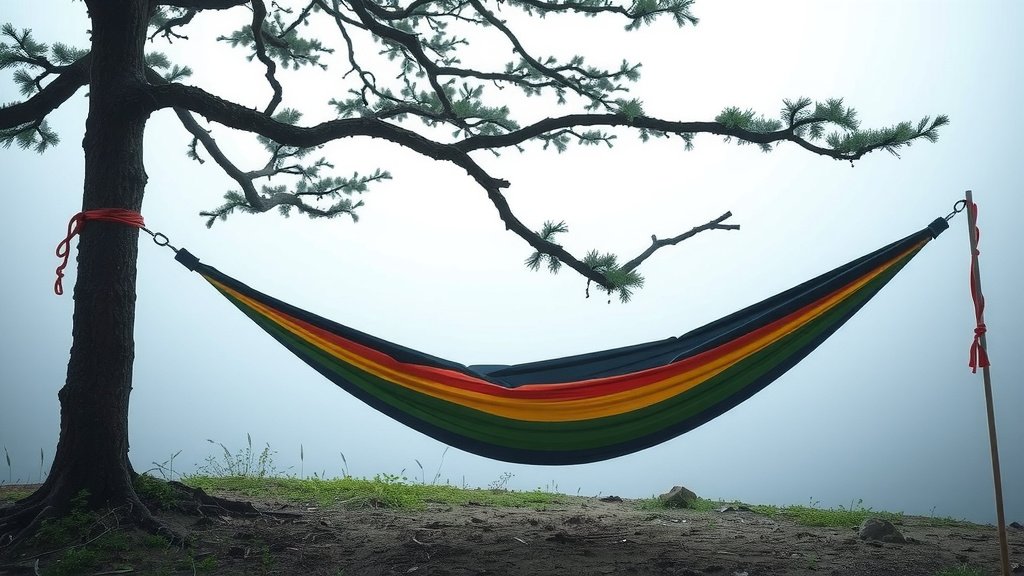
Hammock camping shines in wooded areas. You just need two sturdy trees spaced appropriately apart. Most hammock systems use adjustable straps that go around the trees. This protects the bark and is much simpler than pounding stakes into hard ground. You can get set up in minutes.
Practice Makes Perfect
Like anything new, there’s a small learning curve. But research and user reviews show that most people get the hang of it quickly. Many systems come with clear instructions. You can even practice in your backyard before your trip. You’ll soon be choosing prime camping spots with confidence.
Connecting with Your Environment
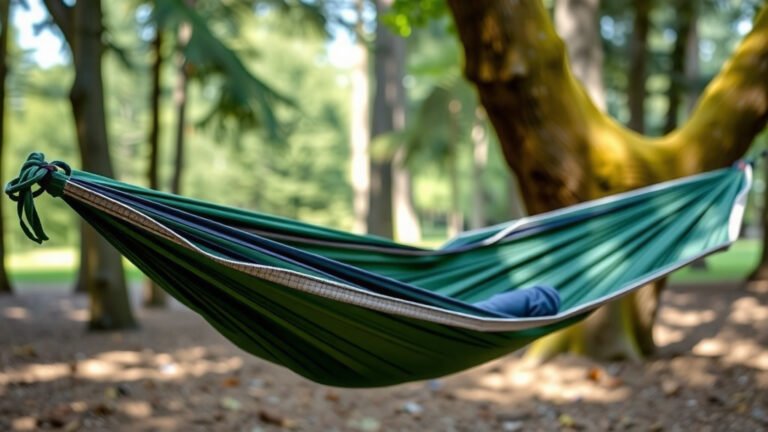
One of the most magical aspects of hammock camping is the feeling of being truly immersed in nature. You’re not sealed inside a fabric box. You’re nestled among the trees, feeling the breeze.
Nature’s Soundtrack
Imagine waking up to the sound of birds chirping right outside your hammock. You can feel the gentle sway of the trees. This connection is something many campers find incredibly peaceful and rejuvenating. It’s a sensory experience that tents can’t quite replicate.
Enjoying the Views
With a hammock, your view isn’t limited to a mesh window. You can often see the canopy above and the surrounding forest. It makes for a much more open and airy feeling. You become a part of the scenery, not just an observer.
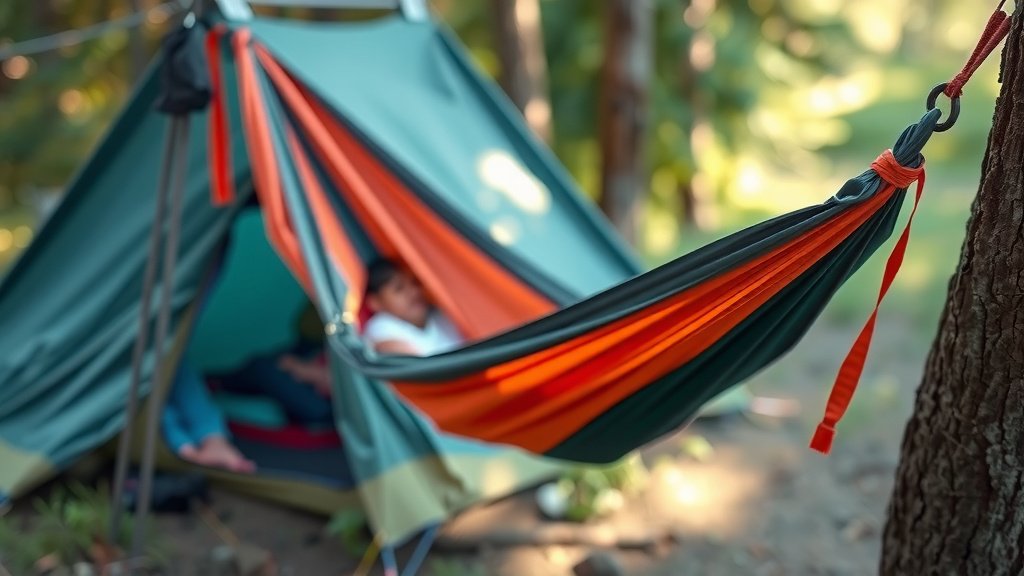
Versatility in Camping Locations
While tents need a relatively flat, clear spot, hammocks can be set up in a wider variety of places. This opens up new camping possibilities.
Beyond the Campsite
Got a trip planned for rocky terrain or uneven ground? A hammock is perfect. You don’t need to scour the campsite for the perfect tent pad. As long as there are trees, you’re golden. This makes them ideal for dispersed camping or ultralight backpacking.
We found that hammocks are also great for situations where ground camping might be restricted. Many park regulations allow tree-based camping when done responsibly with proper gear. Always check local rules, of course.
Common Concerns Addressed
It’s natural to have questions when trying something new. Let’s address a few common ones about hammock camping.
What about bugs and rain?
Modern hammocks come with specialized accessories. You can easily add a bug net to keep insects away. For rain, a tarp hung above your hammock provides excellent shelter. Many setups offer more coverage than you might expect.
Is it really comfortable for sleeping all night?
Yes! The key is to find your “sweet spot” angle. Many hammock users find a slightly diagonal lay is most comfortable. This allows you to sleep flatter. With a good sleeping pad and quilt or bag, it’s very cozy. Research from outdoor enthusiasts consistently points to this method for maximum comfort.
What about cold weather camping?
Hammocks can be surprisingly warm. The key is insulation. You’ll need an underquilt that hangs beneath your hammock. This fills the space between you and the air. It prevents your body heat from escaping. Many experts say a well-configured hammock system can be as warm as a tent.
Your Hammock Camping Checklist
Ready to give it a try? Here’s a quick rundown of what you’ll need to get started:
- A quality hammock: Choose one designed for camping.
- Suspension system: Tree straps are best for trees.
- Bug net: Essential for most camping environments.
- Rain tarp: Provides overhead shelter.
- Underquilt and top quilt/sleeping bag: For warmth.
- Small pillow: For extra comfort.
Choosing a hammock over a tent is a personal decision. But for many, the benefits of comfort, weight savings, and a closer connection to nature make it the clear winner. Give it a try, and you might just discover your new favorite way to sleep outdoors!
Conclusion
You’ve seen how hammocks can transform your camping experience. They offer superior comfort by contouring to your body, making sleep more restful. Packing lighter is another big plus, giving you more freedom on the trail. Setup is surprisingly simple, and you get a unique connection to nature by sleeping among the trees. Hammocks also prove versatile for various terrains where tents just won’t cut it. If you’re looking for a more immersive and comfortable way to enjoy the outdoors, it’s time to consider making the switch to a hammock.
Frequently Asked Questions
Can you really sleep comfortably in a hammock all night?
Absolutely! Many campers find sleeping in a hammock more comfortable than a tent once they get the hang of it. The key is learning to lie slightly diagonally in the hammock, which allows you to achieve a flatter sleeping position. With the right gear, you can enjoy a full night’s rest.
How do you stay warm in a hammock during cold weather?
Staying warm in a hammock involves proper insulation. An underquilt, which hangs beneath your hammock, is essential as it traps your body heat and prevents cold air from reaching you. Paired with a good sleeping bag or top quilt, hammock camping can be very cozy even in cooler temperatures.
Is a hammock setup really lighter than a tent?
Often, yes. A complete hammock camping system, including the hammock, suspension, bug net, and tarp, can weigh less than a comparable lightweight backpacking tent. This weight savings can be a significant advantage, especially for long-distance hikers.
What if there aren’t any trees for camping?
While hammocks are best suited for treed environments, there are solutions for tree-less areas. Some companies make hammock stands that function like portable tent setups. However, for the most common hammock camping experience, finding two suitable trees is usually necessary.
How do hammocks protect the trees they’re hung from?
Responsible hammock camping involves using tree-friendly suspension systems. Wide webbing straps are typically used to wrap around the tree trunks. These straps distribute the weight and prevent the webbing from cutting into the bark, safeguarding the tree’s health.