Is Your Hammock Too Big? How to Tell and What to Do
Yes, a hammock can definitely be too big, leading to a less secure hang and potentially a less comfortable experience A hammock that’s too large can lead to a less comfortable experience; our guide helps solve common hammock discomforts.. Finding the right size means balancing your personal needs with the hammock’s intended use and your hanging space. It’s not just about fitting more people; it’s about the right fit for your relaxation.
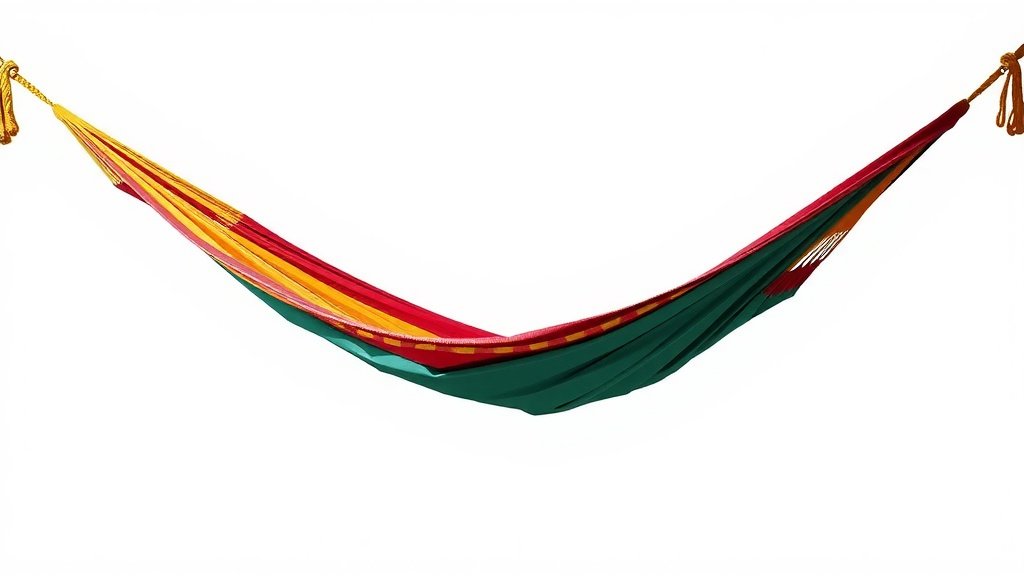
A hammock that’s too large might mean the fabric sags too much. This can make it feel like you’re sinking into a hole, rather than being cradled. It also affects the **structural integrity** and how evenly your weight is distributed. You want that perfect, gentle curve for ultimate lounging.
- Yes, hammocks can be too big.
- Oversized hammocks can lead to sagging.
- This can reduce comfort and security.
- Consider your space and intended use for the best fit.
Let’s walk through exactly how to tell if your hammock is the right size for your cozy spot and how to adjust if it’s not quite right.
You’ve got your brand new hammock, pictured yourself swaying gently in the breeze, book in hand. But as you set it up, something feels…off. Is it just you, or does this hammock seem a bit too much for your setup? It’s a common question, and the answer is a definite yes – a hammock can absolutely be too big for your needs.
Navigating Hammock Size: What’s Right for You?
So, how do you know if your hammock is playing the role of a comfortable cloud or a saggy, uncomfortable mess? It all comes down to a few key factors. We’re going to break down what makes a hammock “too big” and how to find that sweet spot for maximum relaxation.
Understanding Hammock Dimensions
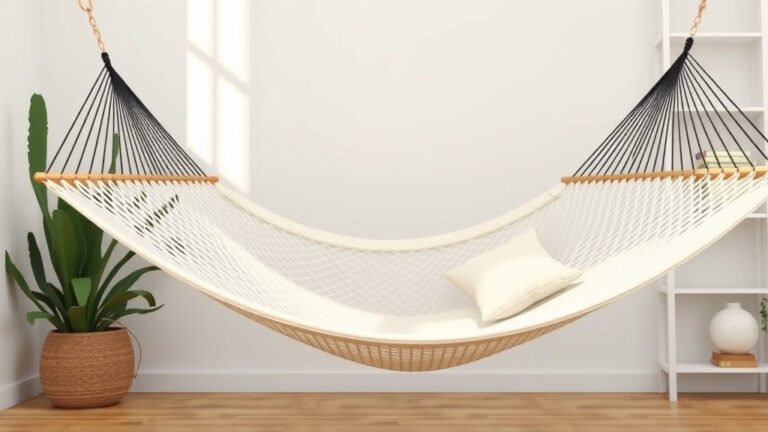
Hammocks come in various sizes, and it’s not just about the length. The width of the fabric plays a huge role in how it drapes and supports you. A wider hammock might sound more luxurious, but if it’s too wide for your hanging space or your body weight, it can lead to excessive sagging. This is often the culprit behind that “sinking feeling” rather than a cozy embrace.
Think of it like a blanket. A tiny blanket won’t keep you warm. A comically large blanket might just drag on the floor and feel unwieldy. The same principle applies to hammocks. You want enough fabric to wrap around you, but not so much that it overwhelms your anchor points or your body.
The Impact of Sagging
When a hammock is too large, it means the fabric has more slack than it can comfortably handle. This results in a deeper, more pronounced curve. While some curve is essential for comfort – it’s what cradles you! – too much can be problematic. Your weight isn’t distributed as evenly, and you might find yourself sliding towards the center, which isn’t ideal for reading or napping.
Research into hammock dynamics suggests that the optimal hang angle contributes to both comfort and safety (NCBI). An overly large hammock can force this angle to be too steep, making it feel less secure. Imagine trying to balance on a very sloped surface; it requires more effort and feels less stable. A well-sized hammock allows for a gentler, more supportive curve. Research into hammock dynamics suggests that the optimal hang angle contributes to both comfort and safety; our guide explains the best hammock angle.
Signs Your Hammock Might Be Too Big
Let’s get practical. How can you tell for sure? Here are a few common indicators:
- Excessive Sagging: When you sit in it, does it feel like you’re sinking down into a deep dip?
- Difficulty Getting Out: Does the pronounced curve make it awkward to stand up?
- Fabric Bunching: Is there a lot of extra fabric gathering around you, making it feel cramped despite the size?
- Worrying About Anchor Points: Do you feel like your hanging points are strained more than they should be?
Considering Your Hanging Space
This is a big one! The space you have available to hang your hammock directly impacts the size you should choose. Are you setting up between two trees in your backyard? Or perhaps using a hammock stand on your patio? The distance between your anchor points is critical.
If your anchor points are closer together than the hammock’s intended span, you’ll naturally create a tighter hang. While this can sometimes *seem* like it’s working, it often puts undue stress on your suspension system and the hammock itself. Many hammock manufacturers suggest an ideal distance for their products, and if your space is significantly different, you might need to adjust your hammock choice. We found that trying to force a hammock into a space that’s too small often leads to uncomfortable tension or, conversely, too much slack if the hammock is inherently large.
The Rule of Thumb: Hammock Length vs. Space
A general guideline we often see is that your hammock’s fabric length should be roughly 70% to 80% of the distance between your hanging points. For example, if your trees are 10 feet apart, a hammock fabric length between 7 and 8 feet would likely provide a good hang. This allows for the necessary sag without becoming excessive.
However, remember that the total length of the hammock, including the suspension and end loops, will be longer. What matters most is how the fabric itself drapes once you’re in it. A hammock that’s too long for the distance between your hang points will inevitably sag more.
Who is the Hammock For?
Are you planning on solo lounging sessions, or are you envisioning cozying up with a partner or even the kids? Hammock sizing also needs to account for the intended occupants.
A single person might be perfectly comfortable in a standard-sized hammock. However, if you plan on sharing, a larger, wider hammock is often a better choice. This isn’t just about fitting more people; it’s about providing enough fabric to comfortably support multiple bodies without everyone feeling like they’re in a tight squeeze or sliding into each other. Hammock manufacturers often label their products by capacity or size (e.g., “single,” “double,” “family”). We’ve found that sticking to these designations is a good starting point when considering who will be using the hammock.
Weight Capacity Matters Too
Beyond just the physical dimensions, always check the weight capacity. A hammock might be physically large enough, but if it can’t safely support the weight of its intended users, it’s too big (or rather, too weak) for the job. Many sources, including outdoor gear specialists, emphasize that exceeding weight limits compromises the hammock’s integrity and your safety.
Testing Your Hammock’s Fit
Once you have your hammock set up, the best way to know if it’s too big is to simply try it! Lie down gently, shift your weight, and see how it feels. Are you supported evenly? Does it feel secure? Can you adjust your position easily?
A good hang should feel like a gentle cradle. You should be able to lie flat, or nearly flat, without feeling like you’re being squeezed or dumped into the middle. If you feel like you’re constantly fighting to find a comfortable spot, or if the fabric feels excessively deep, it might be an indication that the hammock is indeed too large for your setup.
| Factor | Consider This | If It’s Too Big… |
|---|---|---|
| Fabric Width | Supports your body comfortably without excessive overlap. | You might feel overwhelmed by fabric, leading to bunching or a feeling of being swallowed. |
| Fabric Length | Works with your hanging distance to create a gentle curve. | Leads to excessive sagging, making it hard to get out or feel secure. |
| Intended Use | Accommodates the number of people and their average weight. | Can feel cramped if shared, or put too much stress on the material and suspension. |
| Hanging Space | Matches the distance between your anchor points for optimal sag. | Forces a tight hang or a very deep, uncomfortable sag. |
Can You Adjust an Oversized Hammock?
Sometimes, a hammock might be a *little* too big, but not so much that it’s unusable. You can often adjust the hang. Using adjustable tree straps or specialized hammock suspension systems can help you fine-tune the tension. These systems allow you to shorten the effective length of your suspension, pulling the hammock tighter and reducing sag.
However, if your hammock is drastically too big, no amount of adjustment will fully compensate. You might end up with an unnaturally stiff hang, which defeats the purpose of relaxing in a hammock. In cases of extreme oversizing, it might be worth considering a different hammock or a stand that allows for a different hanging geometry.
A Hammock Hang Checklist
Before you settle in for that nap, run through this quick mental checklist:
- Check the Drape: Does the fabric form a comfortable, supportive curve?
- Feel the Security: Do you feel stable and safe in the hammock?
- Assess the Space: Is there too much fabric bunched around you?
- Test the Entry/Exit: Is it easy to get in and out without feeling like you’re falling?
- Consider the Strain: Do your anchor points look overly stressed?

Conclusion
Finding the right hammock size is key to your comfort and security. We’ve seen that too large a hammock can lead to uncomfortable sagging, making it feel less stable and harder to get out of. It’s about matching the hammock’s dimensions and intended use with your specific hanging space and who will be using it. Don’t just guess – consider your trees, your stand, and your relaxation goals. Your next step is to measure your space and compare it to hammock specs, or test your current hammock by lying in it and observing the drape and feel. Aim for that perfect cradle, not a deep, saggy pit!
Frequently Asked Questions
What’s the biggest problem with a hammock that’s too wide?
A hammock that’s too wide can cause excessive fabric to bunch up around you. This can make it feel less secure and more difficult to get comfortable. You might also find yourself constantly adjusting the fabric to avoid feeling swallowed by it.
How can I tell if my hammock is too long for the space between my trees?
If your hammock fabric forms a very deep curve, almost like a U-shape, it’s likely too long for the distance between your trees. You’ll notice a lot of slack, and it can make entering and exiting the hammock awkward.
Can I make an oversized hammock work if I really like it?
Sometimes, yes. You can use adjustable suspension systems or tree straps to shorten the effective hang length. This helps reduce sag. However, if the hammock is drastically too big, you might create an overly stiff hang that compromises comfort.
Does hammock width really affect comfort that much?
Yes, it does. A wider hammock can offer more room if you plan to share it. But if you’re a solo lounger and the hammock is excessively wide, the extra fabric can sag into the middle, making it harder to find a stable, flat-lying position.
What is the “ideal hang angle” people talk about with hammocks?
The ideal hang angle is generally considered to be around 30 degrees. This angle creates a gentle curve in the hammock fabric, providing excellent support and comfort without excessive sag. Too big a hammock often forces a steeper, less comfortable angle.