Underquilt vs Sleeping Pad: Which is Best for Camping
When thinking about staying warm in your hammock, an underquilt is generally better than a sleeping pad. While a sleeping pad insulates your body from the ground, an underquilt works differently by trapping warm air around your hammock. This makes it far more effective for comfort in cooler camping weather.
Many campers wonder if a sleeping pad can do the job of an underquilt. Research and camping guides show that a pad inside a hammock can sometimes work, but it often slips and leaves gaps. An underquilt is specifically designed to hug your hammock, creating a consistent, warm barrier without the fuss. It’s a key piece of gear for a comfortable night.
- Underquilts are best for hammock insulation.
- Sleeping pads can be used but are less effective and can slip.
- Underquilts trap warm air around your hammock for consistent warmth.
- Hammock camping often requires specialized gear for optimal comfort.
Let’s break down the differences between an underquilt and a sleeping pad so you can choose the right gear for your next trip.
Underquilt vs. Sleeping Pad for Hammock Comfort
When you’re planning a camping trip with your hammock, keeping warm is a big deal. You might be wondering if your trusty sleeping pad can double as insulation. We found that while a pad can work in a pinch, an underquilt is specifically designed for hammock comfort. Let’s see why.
Understanding Hammock Insulation Needs
Your hammock might feel cozy, but there’s a hidden problem when it gets cool. Without insulation underneath, the air circulates freely. This means a lot of your body heat escapes. Research shows that the biggest source of heat loss in a hammock comes from below (University of Colorado).
The “Cold Butt Syndrome” Explained
Ever heard of “cold butt syndrome”? It’s a real thing for hammock campers! When you lie in a hammock, your body weight presses the fabric down. This compresses any insulation between you and the air. If you use a sleeping pad, it gets squeezed thin. This greatly reduces its ability to keep you warm.
How Underquilts Solve This Problem
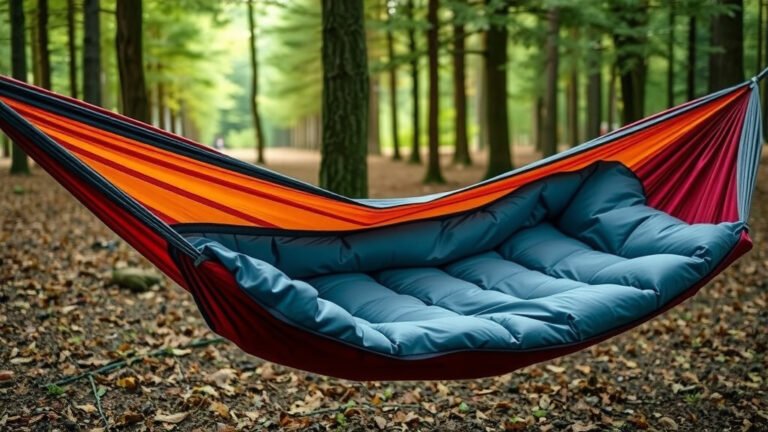
An underquilt hangs underneath your hammock. It creates a pocket of warm air. This air is trapped between the underquilt and your hammock. Because it’s not compressed by your body, the down or synthetic fill can loft up. This loft is what provides true insulation. Many hammock camping guides highlight this as the primary advantage.
Sleeping Pads in a Hammock: The Downsides
So, can you just toss a sleeping pad into your hammock? Yes, you can try. Many people do it when they first start out. However, we found that it often leads to some frustration. The main issue is keeping the pad in place.
The Slipping Pad Struggle
Hammocks are curved and move. Sleeping pads are rigid and slippery. What happens? The pad tends to slide down. You might find yourself sliding down too. Often, gaps appear along the sides. This means cold air can sneak in. It’s like trying to keep a fitted sheet on a wobbly mattress.
Compromised Insulation with Pads
Even if you manage to keep the pad mostly in place, there’s still the compression problem. As we mentioned, your body weight squishes the pad. This reduces its R-value, which is its measure of thermal resistance. So, even a warm pad might not perform as well inside a hammock. Experts often advise against it for serious cold weather camping (National Outdoor Leadership School).
Underquilts: Built for Hammock Bliss
Underquilts are designed from the ground up with hammockers in mind. They attach around the outside of the hammock. This keeps them from shifting. They also create that vital air pocket.
Types of Underquilts
You’ll find underquilts made with either down or synthetic insulation. Down is lighter and packs smaller. However, it loses its insulating power when wet. Synthetic insulation performs better when damp and is often less expensive. We found that for many casual campers, the choice often comes down to budget and expected weather conditions.
Temperature Ratings
Underquilts come with temperature ratings. A 30-degree underquilt is great for mild weather. You’ll need a 0-degree or even a 20-degree below Fahrenheit model for colder trips. Always choose one rated for temperatures lower than you expect to encounter. It’s better to be a little too warm than too cold.
Comparing Underquilts and Sleeping Pads Side-by-Side
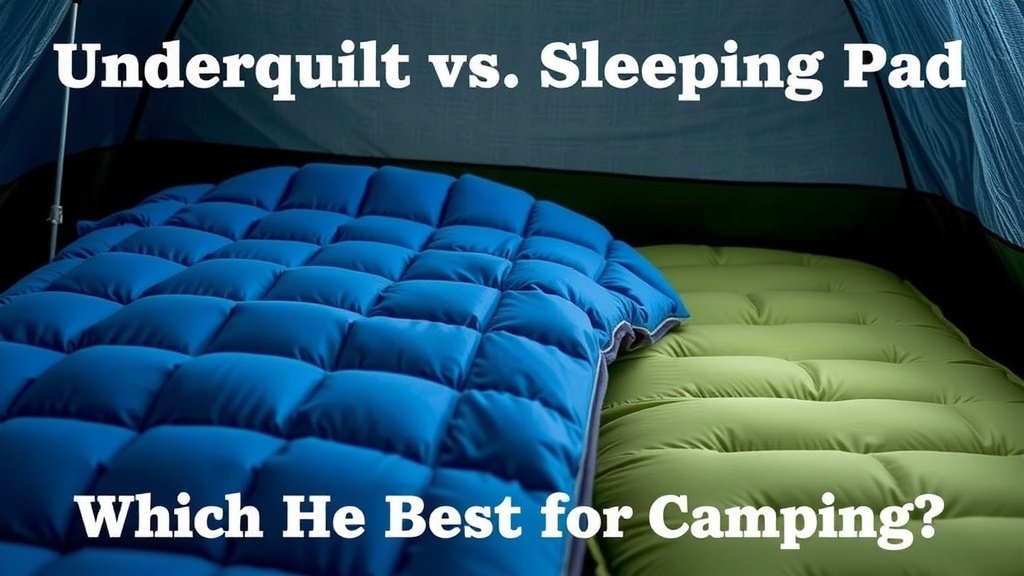
Let’s lay it all out so you can see the differences clearly. This table should help you make a quick comparison.
| Feature | Underquilt | Sleeping Pad |
|---|---|---|
| Primary Use | Hammock insulation | Ground insulation |
| Warmth in Hammock | Excellent (traps air, no compression) | Fair to Poor (compression, slipping) |
| Ease of Use in Hammock | Excellent (attaches securely) | Poor (slips, hard to position) |
| Weight/Bulk | Designed for hammock systems | Can be bulky for hammock use |
| Cost | Generally higher | Wider range, can be cheaper |
The Verdict for Comfort and Warmth
If your goal is to stay warm and comfortable in your hammock, an underquilt is the clear winner. Research consistently shows it provides superior insulation. It addresses the fundamental physics of heat loss in a suspended sleep system. You’ll enjoy better sleep and fewer chilly nights.
Making the Switch: Your Checklist
Ready to upgrade your hammock setup? Here are a few things to think about:
- Assess your typical camping temperatures.
- Consider the weight and packability you need.
- Decide between down and synthetic insulation.
- Read reviews of specific underquilt models.
- Don’t forget a compatible hammock suspension system.
- Think about adding a bug net or top quilt for full coverage.
Conclusion
After looking at the options, it’s clear that an underquilt is your best bet for staying warm and comfortable in your hammock. While a sleeping pad might seem like a convenient alternative, research and camper experiences show it often leads to frustration with slipping and cold spots. An underquilt, designed specifically for hammocks, creates a consistent, warm pocket of air that combats “cold butt syndrome” effectively. You’ll enjoy much better sleep by investing in gear made for the job. Your next step? Check your expected camping temperatures and start looking for an underquilt that fits your needs!
Frequently Asked Questions
Can I really not use a sleeping pad in my hammock at all?
You can try using a sleeping pad in your hammock, especially for casual trips in mild weather. However, we found that the pad tends to slip and gets compressed by your body weight, significantly reducing its warmth. For consistent comfort, especially when it’s cool, an underquilt is a much better solution.
How do I know what temperature rating an underquilt I need?
We found that it’s wise to choose an underquilt rated for temperatures 10-15 degrees Fahrenheit colder than the lowest you anticipate encountering. This gives you a safety margin. It’s always easier to vent a bit of warm air than to shiver through a cold night.
Will an underquilt keep my sides warm, or just my back?
An underquilt is designed to wrap around the sides of your hammock, creating a full draft collar. This means it traps warm air all around you, preventing cold air from sneaking in. This is a major advantage over a sleeping pad, which often leaves gaps along your sides.
Are underquilts heavy or bulky to carry?
While they add some weight and bulk, underquilts are designed to be part of a lightweight hammock camping system. Down-filled underquilts tend to be more compressible and lighter than synthetic ones. We found that the comfort they provide often outweighs the extra gear for dedicated hammock campers.
What’s the difference between an underquilt and a top quilt?
An underquilt hangs below your hammock to insulate you from the cold air. A top quilt is like a sleeping bag without a back and is used inside the hammock, on top of you. Many hammock campers use both an underquilt and a top quilt for full temperature regulation.