
Why Does Your Back Hurt in a Hammock?
Your back might hurt in a hammock because you’re putting too much strain on your spine. Hammocks can feel relaxing, but they often don’t offer enough support for your natural curves. This can force your back into an unnatural position, leading to discomfort and pain, especially if you have existing back issues. It’s a common problem many hammock lovers encounter.
When you lie in a hammock, your body tends to create a C-shape. This position compresses your spine unevenly. Without proper lumbar support, your muscles have to work harder to keep you stable. Many experts suggest that this constant muscular effort is a primary reason for the aching sensation. It’s like doing a mild workout you didn’t sign up for!
- Hammocks can strain your spine.
- Lack of lumbar support causes discomfort.
- Your body might form a C-shape.
- Muscles work harder to keep you stable.
Let’s dive into why this happens and what you can do to make your hammock time truly comfortable. We’ll look at simple adjustments and alternatives.
It’s no fun when your supposed relaxation spot turns into a pain zone. You’re picturing yourself gently swaying, maybe with a good book, but instead, your lower back is sending you signals that it’s *not* happy. Why does this happen? Let’s get to the bottom of it.
Understanding Why Hammocks Can Make Your Back Ache
Many experts point to the fundamental shape and structure of hammocks. They’re designed to cradle you, which sounds nice. But that cradle can sometimes put your spine in a less-than-ideal position. Your body’s natural alignment is disrupted. This can lead to muscle strain and discomfort. We’ve all felt that stiffness after a long car ride, right? This can be a bit like that, but in a more relaxed setting.
The C-Curve Compression Effect
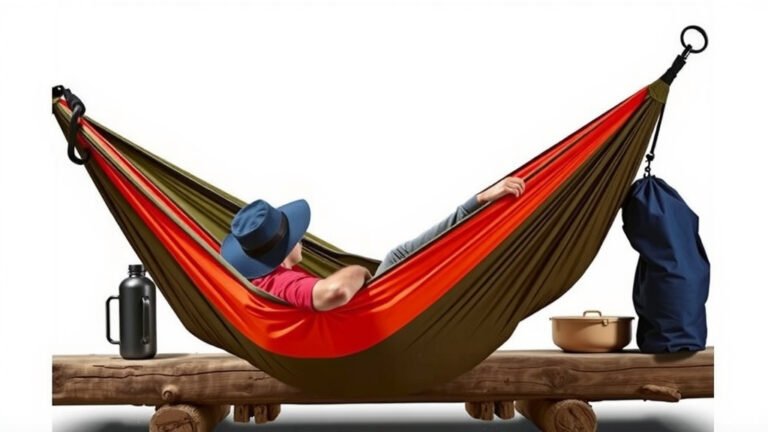
When you settle into a hammock, your body tends to curve forward. Think of it like a banana shape. Your spine might bend into what’s called a “C-curve.” This position places uneven pressure on your spinal discs. It also forces your abdominal and back muscles to work harder. They’re trying to stabilize you. This constant muscle engagement is often the culprit. Your muscles get fatigued, leading to that familiar ache. It’s not what your back is built for during extended periods.
Lack of Lumbar Support
Most hammocks simply don’t have built-in lumbar support. Your spine has a natural inward curve at the lower back, called the lumbar lordosis. This curve is important for maintaining good posture and absorbing shock. A hammock often flattens this curve or exaggerates it in the wrong direction. Without anything to support that natural shape, your back muscles have to compensate. This extra work can lead to pain and soreness. It’s like trying to stand without bending your knees; eventually, something will protest.
Your Body Weight Distribution
How you distribute your weight matters too. When you lie in a hammock, your weight is concentrated in the center. This pulls the fabric down, wrapping around you. If you tend to slouch or shift your weight unevenly, you’re creating more pressure points. These pressure points can strain your back muscles and joints. Some people find lying diagonally helps. This can flatten the hammock slightly. It may distribute weight more evenly. It’s worth experimenting with your position.
Pre-existing Back Conditions
If you already have a sensitive back, a hammock can amplify existing issues. Conditions like sciatica, herniated discs, or general lower back pain can be aggravated. The unusual posture required by a hammock might put direct pressure on nerves. It can also strain already compromised muscles. For those with sensitive backs, it’s wise to be cautious. Always listen to your body. If it hurts, it’s a clear sign to change something.
How to Adjust Your Hammock Experience for Comfort
The good news is you don’t have to give up on hammocks entirely. With a few smart adjustments, you can make your hammock time much more enjoyable. The goal is to provide better support for your spine. You want to mimic a more natural resting position. Even small changes can make a big difference.
Using Pillows for Strategic Support
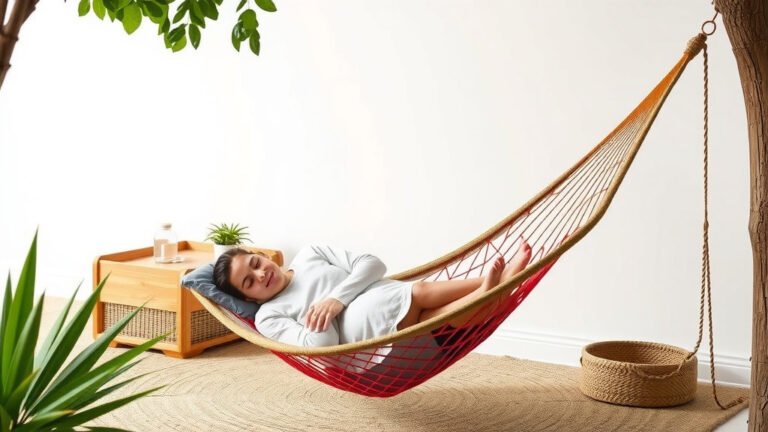
This is one of the easiest fixes. A small pillow can work wonders for your lumbar curve. Try placing a rolled-up towel or a small cushion behind your lower back. This helps maintain that natural inward curve. It prevents your spine from flattening too much. You might also want a pillow for your head. This keeps your neck aligned with your spine. It reduces strain on your neck and upper back. Experiment with different sizes and placements to find what feels best for you. It’s all about custom comfort.
The Diagonal Lie
As mentioned, lying diagonally across the hammock can be a game-changer. Instead of lying straight on your back, position yourself from corner to corner. This opens up the hammock fabric. It allows your body to lie flatter. Your spine is more likely to stay in a neutral position. It reduces the “cocooning” effect. This can significantly decrease pressure on your lower back. It’s a simple shift that many hammock users swear by.
Choosing the Right Hammock Type
Not all hammocks are created equal. Some types are better suited for back comfort than others. For instance, a spreader bar hammock looks stable. However, these can be tricky for back support. They tend to create a flatter, more exposed surface. This can make it harder to get that cradling comfort without strain. A traditional gathered-end hammock might offer better contouring. But if it’s too saggy, you get the C-curve. Hammocks with built-in padding or adjustable tension might be worth considering.
Consider a Hammock Stand
Where you hang your hammock matters. If you’re hanging it between two trees, the angle can be awkward. Using a hammock stand offers more control. You can adjust the tension and height more easily. This allows you to find a sweet spot for comfort. A stand also means you aren’t limited to outdoor spaces. You can set up a comfortable spot indoors too. It gives you freedom and flexibility.
Mind Your Time in the Hammock
Even with adjustments, spending too long in a hammock might not be ideal for your back. It’s a place for relaxation, not necessarily for sleeping all night. Try to limit your hammock sessions. Get up and move around periodically. Stretching can help release tension. Listen to your body’s signals. If you start feeling discomfort, it’s time to take a break. Short, comfortable sessions are better than long, painful ones.
A Quick Checklist for Hammock Comfort
Ready to try again? Keep these simple tips in mind:
- Roll up a towel or small pillow for your lower back support.
- Try lying diagonally across the hammock.
- Adjust the sag – not too tight, not too loose.
- Use a head pillow for neck alignment.
- Set a timer for shorter, comfortable sessions.
- Get up and stretch if you feel any stiffness.

Conclusion
Your back pain in a hammock often stems from your spine not getting the right support. That comfy cradle can force your body into an unnatural C-curve. This strains your muscles and makes them work overtime. But don’t ditch your hammock dreams just yet! Simple adjustments can make a huge difference. By adding strategic pillows, lying diagonally, and minding your time, you can find true relaxation. Give these tips a try and get back to enjoying your hammock without the ache.
Frequently Asked Questions
Can hammocks actually be bad for your back?
Yes, hammocks can be bad for your back if they don’t provide proper support. The way your body molds into the fabric can create an unnatural curve, leading to strain and discomfort. This is especially true if you have pre-existing back issues.
How can I stop my back from hurting in a hammock?
You can prevent back pain by adding support. Try placing a rolled-up towel or small pillow behind your lower back to maintain its natural curve. Lying diagonally across the hammock can also help distribute your weight more evenly and keep your spine neutral.
Is it better to lie straight or diagonally in a hammock?
Lying diagonally is generally better for your back. This position opens up the hammock and allows your body to rest flatter. It helps maintain a more neutral spinal alignment compared to lying straight, which can often exaggerate the C-curve.
Should I use a pillow in my hammock?
Using a pillow in your hammock is highly recommended for back comfort. A small pillow or rolled towel placed at your lumbar region supports your spine’s natural inward curve. A separate pillow for your head ensures your neck stays aligned with your spine.
Are some hammock types better for back pain than others?
Yes, some hammock types are better than others. Traditional gathered-end hammocks can offer good contouring, but too much sag can be problematic. Spreader bar hammocks might seem supportive, but they can also lead to strain if your weight isn’t distributed evenly.