Winter Hammock Camping: Your Cold-Weather Guide
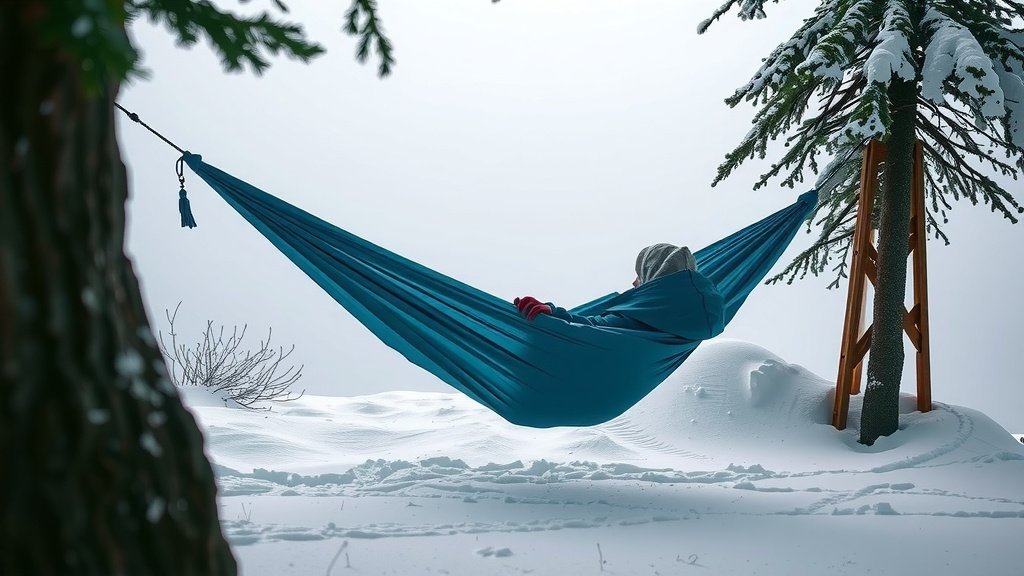
Yes, you can absolutely use a hammock in the winter, but you’ll need to take some extra steps to stay warm and comfortable. Think of it like preparing for a winter hike; the right gear makes all the difference for enjoying the outdoors. Successfully hanging your hammock in colder weather often means adding insulation and finding a sheltered spot.
Many hammock campers love the winter months for the quiet solitude and unique beauty of snowy landscapes. It’s a surprisingly cozy experience when done right! The key is understanding how to prevent heat loss and protect yourself from the elements, ensuring your winter hammock setup is a warm refuge, not a frozen ordeal.
- Yes, hammocks are usable in winter with proper gear.
- Focus on insulation to prevent heat loss.
- Consider windbreaks and sheltered locations.
- Proper underquilts and sleeping bags are essential.
- Stay safe and enjoy the snowy serenity!
Below, we’ll break down exactly what you need to do to make your winter hammock adventures safe and wonderfully cozy.
Your Hammock: A Cozy Winter Companion?
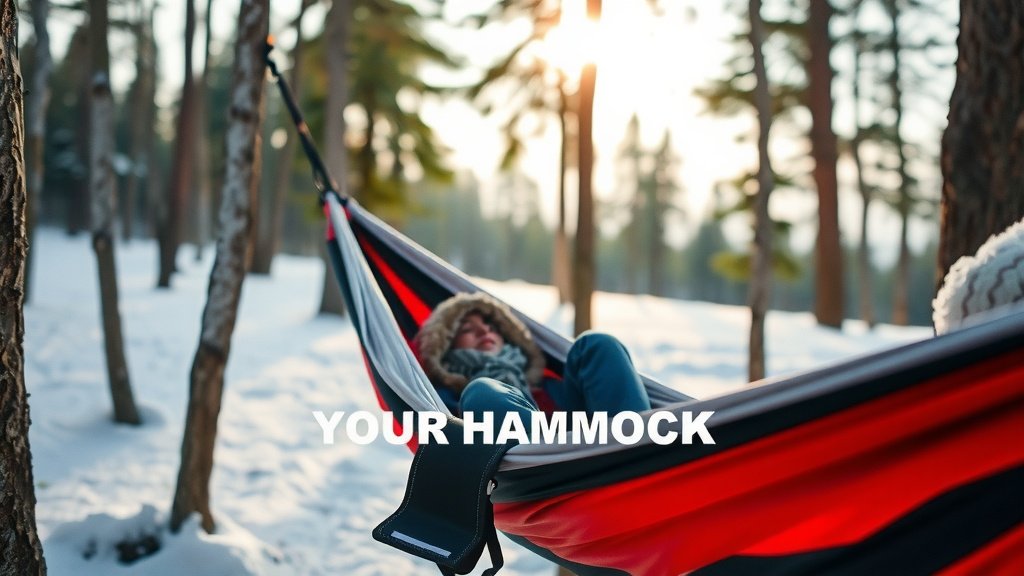
Can you really enjoy a hammock when the temperature drops? Absolutely! Many hammock campers find winter to be one of the most peaceful times to be outdoors. The key isn’t fighting the cold, but rather outsmarting it. With the right setup, your hammock can feel like a snug, warm nest even when snow is falling.
Staying Warm: The Foundation of Winter Hammocking
When it comes to winter hammock camping, your primary goal is to prevent heat loss. Your body generates heat, but without proper insulation, that warmth escapes quickly into the cold air. This is where your gear becomes incredibly important. Think of it like dressing for a cold day; you wouldn’t wear a t-shirt and shorts. Your hammock setup needs layers, just like you do.
Understanding Heat Loss in a Hammock
You lose heat in a hammock primarily through conduction and convection. Conduction happens when your body heat touches something cold and transfers to it. In a hammock, this is usually the air passing through your sleeping bag and the hammock fabric. Convection is heat loss due to air movement. A chilly breeze can quickly steal your body heat, making you feel much colder than the actual temperature. Understanding how to prevent heat loss is key to staying warm in a winter hammock.
Conduction: The Cold Ground Problem (Even Without Ground!)
Even though you’re off the ground, you can still lose heat through conduction. Your body weight presses your sleeping bag against the hammock fabric. This compression squishes the insulating fill (down or synthetic) inside your sleeping bag, reducing its ability to trap air. Trapped air is what keeps you warm. When that air is squeezed out, the insulation is less effective.
Research shows that sleeping bags lose much of their insulating power when compressed. This is why a dedicated underquilt is so vital for winter hammock comfort. It hangs below your hammock, filling the space that your body weight would otherwise compress.
Convection: The Wind Factor
The wind is a hammock camper’s biggest enemy in winter. Even a light breeze can create a significant chill. This is known as wind chill. It’s not that the air temperature drops, but rather that the moving air removes heat from your body faster. You need to create a barrier against this moving air.
Essential Gear for Winter Hammock Warmth
You’ll need a few key pieces of gear to make your winter hammock experience comfortable and safe. Investing in good insulation is the single most important step you can take.
The Underquilt: Your Hammock’s Best Friend
This is non-negotiable for cold-weather hammock camping. An underquilt is essentially a sleeping bag that hangs *under* your hammock. It’s designed to keep the cold air from reaching you from below. Look for a quilt with a temperature rating appropriate for the conditions you expect. Many experts recommend an underquilt rated 10-20 degrees Fahrenheit colder than the lowest temperature you anticipate (National Outdoor Leadership School).
When choosing an underquilt, consider its “loft” – how puffy it is. More loft means more trapped air and better insulation. It should also fit snugly around the sides of your hammock to prevent drafts.
The Top Quilt or Sleeping Bag: Double the Insulation
While the underquilt handles the cold from below, you still need insulation from above. A top quilt is similar to a sleeping bag but without a back or hood. It’s designed to be used in conjunction with an underquilt. You can also use a winter-rated sleeping bag, but it might be a bit more cumbersome in a hammock. You’ll want a bag rated for cold temperatures. Again, consider a rating that is slightly colder than your expected lows.
A Hammock Tarp for Shelter
A waterproof and windproof tarp is your shield against the elements. It protects you from rain, snow, and wind. A larger tarp offers more coverage and a better windbreak. Consider an asymmetrical or winter-specific tarp design that can be pitched closer to the ground on the windward side to create a more enclosed, protected space.
Insulated Sleeping Pad (Optional but Recommended)
Some hammock campers like to put an insulated sleeping pad *inside* their hammock, on top of their sleeping bag or underquilt. This adds an extra layer of insulation and can provide a bit more comfort. Look for a pad with a high R-value (a measure of thermal resistance). An R-value of 4 or higher is generally good for winter conditions.
Choosing Your Campsite Wisely
Where you set up your hammock makes a huge difference in winter. You want to find a spot that offers natural protection from the wind and weather.
Seeking Natural Windbreaks
Look for areas that are naturally sheltered. Dense stands of evergreen trees can offer a good windbreak. The base of a hill or a ravine can also provide some protection. Avoid open, exposed areas like the top of a ridge or a wide-open field. You’re looking for a place where the wind has to work hard to reach you.
Considering Snow Cover
Deep snow can actually be a good thing! Setting your tarp up low to the ground and packing snow against the edges can create a very effective windproof barrier. This helps seal in your warmth and keeps drafts out. Just be mindful of potential snowdrifts that could bury your setup.
Avoiding Hazards
Always check for dead trees or branches overhead, often called “widowmakers.” These can fall unexpectedly, especially in windy or snowy conditions. Make sure your anchor points are solid. Look for healthy, mature trees that can support your weight and the added stress of wind and snow.
The Checklist: Are You Ready for Winter Hammocking?
Here’s a quick rundown to make sure you’re prepared for your cold-weather hammock adventure:
- Underquilt: Ensure it’s rated for your expected temperatures.
- Sleeping Bag/Top Quilt: Choose one with adequate warmth.
- Hammock Tarp: Look for a waterproof and windproof option.
- Warm Layers: Pack wool or synthetic base layers, insulation, and a waterproof outer shell.
- Insulated Pad: Consider adding one for extra warmth and comfort.
- Site Selection: Plan to find a sheltered spot.
Adjusting Your Sleeping Setup
Once you’re settled in your hammock, there are a few tricks to optimize your warmth.
The Importance of a Good Seal
Getting your underquilt and tarp set up correctly is key. You want a snug fit around your hammock to prevent drafts. Many underquilts have drawcords at the ends. Cinch these down tightly. Also, ensure your tarp is pitched low enough to block wind without touching your hammock. This creates a cozy microclimate.
Dealing with a Cold Nose and Toes
Even with a great underquilt, your nose and toes can sometimes get cold. This is because extremities are the first to lose heat. A warm hat is essential for preventing heat loss from your head. Some people like to stuff extra dry clothing or a small pillow into the footbox of their sleeping bag to add insulation. Others might use a small insulated pad or even a water bottle filled with warm water (ensure it’s sealed tightly!) inside their sleeping bag.
Getting In and Out of the Hammock
This can be a bit tricky in the cold. Try to minimize the time you spend exposed. Have your warm layers and hat ready. Some campers use a “stuff sack” for their sleeping bag that they can pull up over them once inside the hammock.
| Gear Item | Primary Function | Winter Importance | Key Features to Look For |
|---|---|---|---|
| Underquilt | Insulates from below | Essential | Temperature rating, loft, snug fit |
| Top Quilt/Sleeping Bag | Insulates from above | Essential | Temperature rating, fill type (down/synthetic) |
| Hammock Tarp | Weather protection | Essential | Waterproof, windproof, size, shape |
| Insulated Sleeping Pad | Extra insulation/comfort | Recommended | High R-value (4+) |
| Warm Hat | Prevents head heat loss | Essential | Wool or fleece, good coverage |
Conclusion
You’ve learned that winter hammocking is absolutely achievable with the right approach. It’s not about enduring the cold, but about outsmarting it. By focusing on essential gear like an underquilt and a protective tarp, and by choosing your campsite wisely, you can create a wonderfully warm and cozy outdoor experience. Remember that proper insulation prevents heat loss, while natural windbreaks shield you from the elements. Don’t let the chill stop you; gear up smartly and enjoy the serene beauty of winter from your hammock!
Frequently Asked Questions
What’s the most important piece of gear for winter hammocking?
The most critical item is your underquilt. It prevents heat loss by insulating you from the cold air circulating beneath your hammock. Without one, your body heat will escape rapidly, no matter how warm your sleeping bag is. Make sure its temperature rating is suitable for your expected conditions.
Can I just use a regular sleeping bag in my hammock in winter?
While a good winter sleeping bag is part of the equation, it’s not enough on its own. When you lie down, your body weight compresses the sleeping bag’s insulation against the hammock fabric. This squishes the trapped air, drastically reducing its warming ability. An underquilt is specifically designed to combat this compression and provide continuous insulation.
How do I protect myself from wind when hammocking in winter?
A good hammock tarp is your primary defense against wind. Choose a waterproof and windproof model, and consider pitching it low to the ground, especially on the windward side. You can even pack snow around the edges of your tarp to create a solid windbreak and seal out drafts, creating a more protected microclimate.
Is it safe to hammock camp when there’s snow on the ground?
Yes, snow can actually be beneficial! Deep snow can help insulate your campsite and can be used to create windbreaks around your tarp. However, you must always be aware of potential hazards like snowdrifts burying your gear or the risk of tree branches breaking under the weight of snow and wind. Always check for overhead hazards.
What if my feet or nose get cold, even with insulation?
Extremities often feel the cold first. Wearing a warm hat is essential to prevent heat loss from your head. For your feet, you can put extra dry socks or even a small insulated pad inside your sleeping bag’s footbox. Some campers also use a water bottle filled with warm water (ensure it’s sealed!) as a makeshift hot water bottle inside their bag.