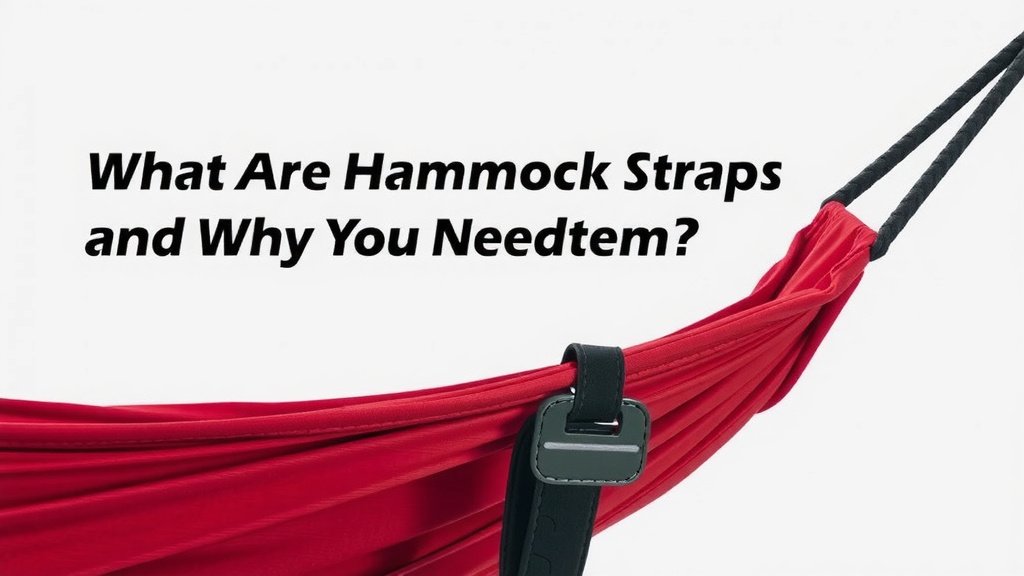
What Are Hammock Straps and Why You Need Them
Hammock straps are essentially strong fabric loops used to hang your hammock without damaging trees. They are a crucial accessory for any hammock camper or backyard lounger. Think of them as your hammock’s best friend for a safe and secure hang.
Unlike ropes, hammock straps distribute your weight over a wider area. This prevents the straps from digging into the tree bark. Many hammock campers prefer them for their tree-friendly design and ease of use.
- Hammock straps are fabric loops for hanging hammocks.
- They protect trees by distributing weight.
- They are an alternative to ropes.
- They are popular for camping and backyard use.
- They offer a secure and easy way to hang your hammock.
Ready to learn more about how these handy straps work and why they’re a game-changer for your relaxation setup? Let’s dive in!
“`htmlUnderstanding Hammock Hanging Straps
So, what exactly are hammock straps and why should you care? Simply put, they are strong, flat webbing straps designed to wrap around trees or other anchor points. They then connect to your hammock, allowing you to hang it up for a relaxing session. Think of them as a safe, tree-friendly handshake between your hammock and its anchor.
Unlike ropes that can bite into bark, straps distribute your weight evenly. This protects the tree’s health. Many outdoor enthusiasts prefer them for their ease of use and their commitment to leaving nature as they found it. They are a popular choice for anyone who loves to relax in a hammock.
The Core Function: Tree Protection
The primary goal of hammock straps is to be kind to nature. Trees are living things, and their bark is like their skin. Ropes, especially thin ones under tension, can cut into this bark. This can harm the tree by making it vulnerable to disease and insects. It can also damage its appearance.
Hammock straps use a wide, flat surface. This spreads the pressure over a much larger area. Research shows that wider straps cause less localized stress. This is why many parks and forests actually encourage or even require the use of tree-friendly straps for hanging hammocks. It’s about responsible enjoyment of the outdoors.
Key Features and Design
Hammock straps are typically made from high-strength polyester or nylon webbing. This material is chosen for its durability and resistance to stretching and abrasion. You’ll find they come in various lengths, usually ranging from 6 to 12 feet. The longer the strap, the more flexibility you have in choosing your anchor points.
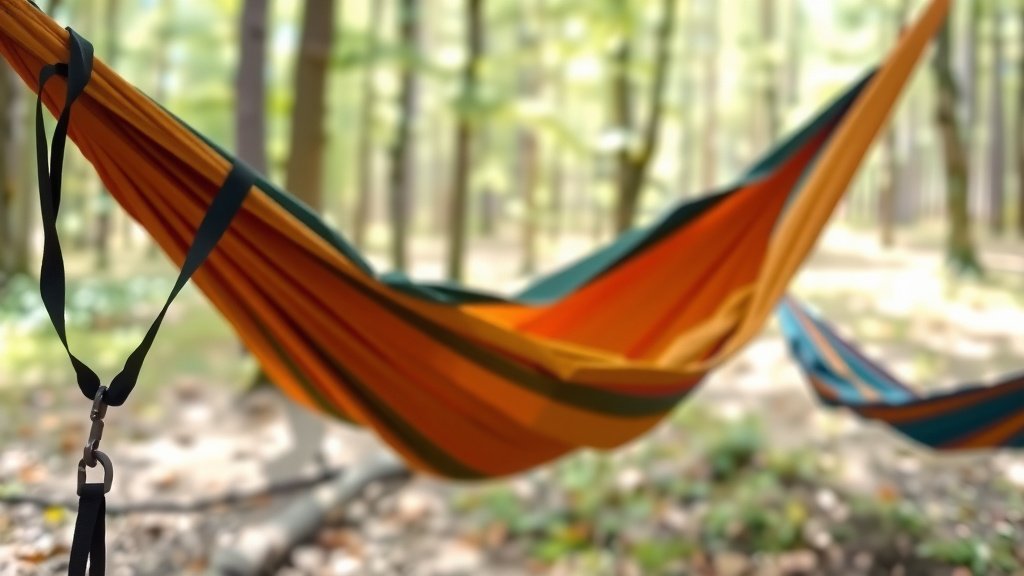
Most straps feature a series of loops, often called daisy chains. These loops are meticulously stitched for strength. They allow you to adjust the hang angle of your hammock without needing to tie complex knots. This is a huge win for beginners!
Material Matters
The choice of material for your straps is important. Polyester is generally more resistant to UV rays and moisture. Nylon, on the other hand, is known for its incredible strength and elasticity. Both are excellent choices for hammock straps, but understanding their properties can help you pick the best pair for your needs.
The Loop System
Let’s talk about those loops. They are a marvel of simple engineering. Instead of tying knots that can be difficult to untie and put stress on specific points, you simply thread your carabiner or suspension through the desired loop. This makes setup and takedown incredibly fast. We’ve found this system to be a real time-saver.
Why Choose Straps Over Rope?
You might be wondering, “Why not just use good old rope?” While rope can certainly hold a hammock, it comes with drawbacks. The most significant, as we’ve discussed, is the potential for tree damage. Ropes can create friction points that weaken the bark over time.
Furthermore, tying secure knots that are also easy to release can be a learned skill. Hammock straps offer a more straightforward, user-friendly approach. The loops mean you don’t have to be a knot-tying expert to get a safe and comfortable hang. Many hammock campers report that straps are simply easier and faster to set up, especially after a long day of hiking.
Comparing Strap Types
While all hammock straps serve the same basic purpose, there are slight variations you might encounter. The main differences lie in the width of the webbing and the number of loops.
| Feature | Standard Straps | Extra-Wide Straps |
|---|---|---|
| Webbing Width | 1 inch | 1.5 inches or more |
| Tree Protection | Excellent | Superior |
| Weight Distribution | Good | Even Better |
| Adjustability | Good (typical daisy chain) | Good (typical daisy chain) |
Extra-wide straps offer even more surface area for weight distribution, which is fantastic for very delicate trees or if you’re concerned about leaving absolutely no trace. Both types are effective and will keep you securely suspended.
Setting Up Your Hammock with Straps: A Quick Guide
Getting your hammock up and running with straps is remarkably simple. Here’s a breakdown of the typical process:
- Find two sturdy anchor points. These could be trees, posts, or even large rocks.
- Wrap one strap around the first anchor point.
- Thread the free end of the strap through its own loop (like a cinch knot), creating a secure connection.
- Attach your hammock’s suspension system (often carabiners or S-hooks) to one of the loops on the strap.
- Repeat the process for the second anchor point.
- Adjust the tension and height by moving your carabiners to different loops until your hammock is just right.
It’s amazing how quickly you can go from carrying your gear to lounging in your hammock. This ease of setup makes them perfect for spontaneous relaxation breaks.
Beyond Camping: Everyday Uses
Hammock straps aren’t just for the wilderness! Many people use them in their backyards to hang hammocks between trees or sturdy posts. They are also great for picnics, beach trips, or even just setting up a cozy reading nook on your porch. Anywhere you have two anchor points, you can likely hang a hammock with straps.
Think about the possibilities: a shaded spot in your garden for a nap, an extra seating option for guests, or a fun addition to a child’s play area. Their portability means your relaxation can go wherever you do. We found that they also make a great gift for the outdoor enthusiast in your life.
Essential Considerations for Your Straps
When choosing and using hammock straps, a few things are worth keeping in mind to ensure safety and longevity:
- Check the weight rating: Always ensure the straps can support more than your body weight for a safety margin.
- Inspect regularly: Before each use, look for any signs of wear, fraying, or damage.
- Choose the right length: Longer straps give you more options and make it easier to hang your hammock in various situations.
- Understand your anchors: Make sure the trees or posts you use are healthy and strong enough to support your weight.
Conclusion
You’ve learned that hammock straps are your best bet for hanging a hammock responsibly. They protect trees by spreading your weight evenly, which is better than rope. Made from strong materials with an easy loop system, they make setup quick and simple. Whether you’re camping or relaxing in your backyard, straps offer a secure and tree-friendly way to hang. Now you’re ready to choose a set and experience the ease and peace of mind that comes with a proper hammock hang.
Frequently Asked Questions
Are hammock straps safe for all trees?
Hammock straps are designed to be tree-friendly by distributing weight. However, always check that the trees you choose are healthy and sturdy enough to support your weight. Avoid trees that appear diseased or damaged.
Can I use just one hammock strap?
No, you should always use two hammock straps, one for each anchor point. This provides the necessary stability and balance to safely hang your hammock and support your weight.
How long should my hammock straps be?
The ideal length depends on the distance between your anchor points. Most straps range from 6 to 12 feet. Longer straps offer more flexibility for hanging in various locations with wider spacing between trees.
Do I need special hardware to use hammock straps?
Typically, you’ll need carabiners to connect your hammock’s suspension system to the loops on the hammock straps. Some hammock strap sets come with carabiners included, but it’s good to check the product description.
How do I clean my hammock straps?
You can usually clean hammock straps with mild soap and water. Gently scrub any dirt or debris away, rinse them thoroughly, and let them air dry completely before storing them. Avoid harsh chemicals or machine washing.