
Hammock Back Pain: Causes and How to Prevent It
Yes, a hammock can hurt your back if you’re not using it correctly or if you have certain pre-existing conditions. While hammocks offer relaxation, the unnatural sleeping position can put strain on your spine. Many people find that prolonged hammock use can lead to back pain or stiffness.
Choosing the right hammock and using proper sleeping techniques are key. For instance, sleeping diagonally rather than straight across can significantly improve comfort and spinal alignment. Understanding how your body interacts with the hammock is essential for avoiding discomfort and potential injuries. Many users report that a slightly saggy hammock is actually better for your back.
- Hammocks can indeed cause back pain.
- Incorrect use or existing back issues are main culprits.
- Sleeping diagonally is often recommended.
- Choosing the right hammock matters.
- Listen to your body for comfort.
Let’s dive into why this happens and how you can enjoy your hammock without the aches and pains.
You’ve probably pictured yourself swaying gently in a hammock, book in hand, with not a care in the world. It’s the ultimate picture of relaxation, right? But what happens when that dream starts to feel more like a backache? You might be wondering, “Can a hammock hurt my back?” The short answer is yes, it’s definitely possible.
Understanding How Hammocks Can Impact Your Back
Hammocks can be a source of comfort, but they can also put your spine in an unnatural position. Your back has a natural S-curve. When you lie flat in a hammock, especially if it’s too taut or you’re positioned incorrectly, this curve can flatten. This strain on your spine can lead to discomfort and pain.
The Curve Ball: Spinal Alignment in a Hammock
Think about your spine like a gently arching bridge. It’s designed to distribute weight evenly. When you lie straight across a hammock, it’s like forcing that bridge to flatten out completely. This puts uneven pressure on your vertebrae and surrounding muscles. You might feel it most in your lower back or even your neck.
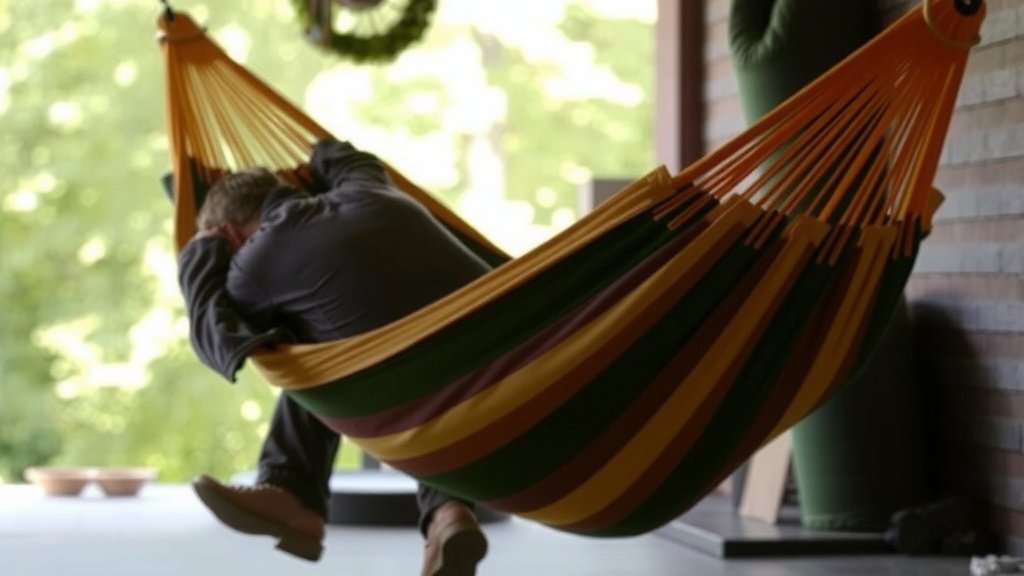
We found that many people experience discomfort because the hammock forces their back into a rigid, C-shaped curve. This is very different from the gentle S-curve your spine prefers. This unsupported posture can cause muscles to tense up trying to compensate. Over time, this can lead to stiffness and soreness.
Taut vs. Saggy: The Ideal Hammock Tension
It might seem counterintuitive, but a hammock that’s too tight can be worse for your back. When a hammock is stretched drum-tight, it forces you into that flatter, less natural position. You end up feeling like you’re lying on a hard surface, but curved unnaturally. A hammock that’s too tight can be worse for your back.
On the other hand, a hammock with a bit of a gentle sag is often more forgiving. This allows your body to sink in a more natural way. It helps support the S-curve of your spine better. Many experienced hammock users say that a hammock should have about a 30-degree angle when you’re in it. This creates a pleasant, supportive cradle.
Material Matters: Fabric vs. Rope Hammocks
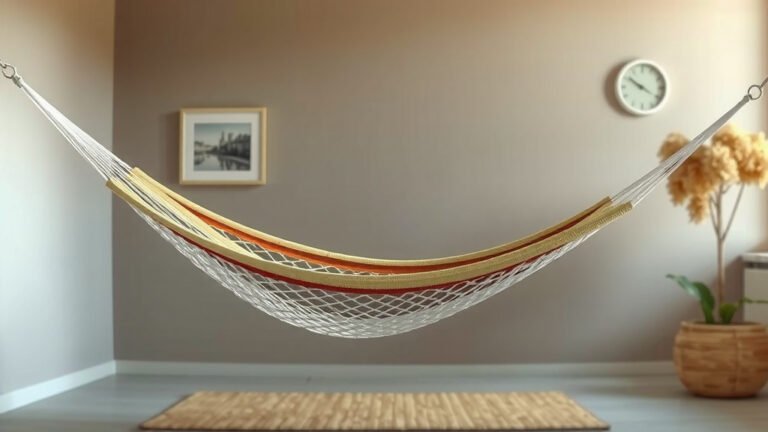
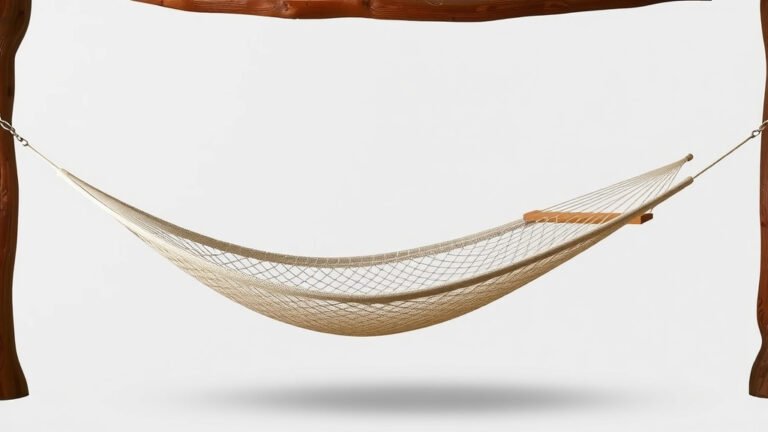
The type of hammock you choose can also play a role. Rope hammocks, while classic and airy, can create pressure points. The ropes can dig into your back and shoulders, leading to discomfort. They don’t always offer even support across your entire body. You might find yourself constantly shifting to find a comfortable spot.
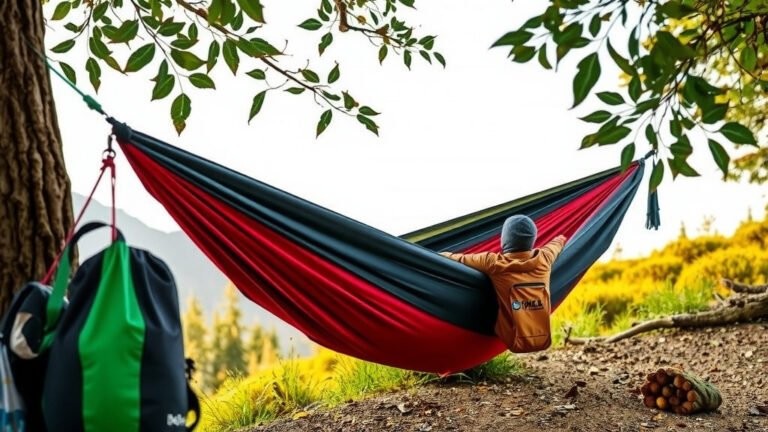
Fabric hammocks, especially those made from softer materials like cotton or polyester blends, tend to offer more uniform support. They can contour better to your body. This even distribution of weight can prevent those dreaded pressure points. Look for hammocks with spreader bars for a flatter surface, or those without for a cozier, cocoon-like feel.
Sleeping Position: Your Key to Hammock Comfort
How you position yourself in the hammock is perhaps the most critical factor. Lying straight across is usually the quickest way to an aching back. Your body is simply not built for that position for extended periods.
The Diagonal Dream: Sleeping Across vs. Lengthwise
The secret weapon for a happy back in a hammock is lying diagonally. This means you lie at an angle, from one corner to the opposite corner. When you lie diagonally, the hammock spreads out more, creating a flatter surface. Your spine can then maintain its natural S-curve more easily.
Think of it like this: lying straight across is like trying to sleep on a tightrope. Lying diagonally is like finding a comfortable, wide hammock bed. This simple adjustment can make a world of difference. You’ll feel less pressure on your back and more supported overall. Many users find this method allows for deeper, more restful sleep.
Avoiding the “Banana” Effect
When you lie straight across, you often end up curled like a banana. Your spine is in a tight C-shape. This is a recipe for back pain. By angling yourself, you straighten out that curve. You create a more ergonomic resting position, even while suspended.
Getting In and Out Safely
Even if you’re a hammock pro, getting in and out can sometimes lead to a twinge. It’s best to sit down gently first. Then, slowly swing your legs in. When getting out, reverse the process carefully. Avoid sudden movements or jumping. A controlled exit helps protect your back from unexpected strain.
When Hammocks Might Not Be Your Best Friend
While many people find relief and relaxation in hammocks, they aren’t a perfect fit for everyone. Certain situations or pre-existing conditions mean you might want to be extra cautious, or perhaps avoid them altogether.
Pre-Existing Back Conditions
If you already have issues like a herniated disc, sciatica, or chronic lower back pain, a hammock might not be the best choice. The unnatural positioning can exacerbate these conditions. It’s always a good idea to talk to your doctor or a physical therapist if you have concerns. They can offer personalized advice based on your specific health needs.
Prolonged Use and Hammock Camping
Hammocks are fantastic for naps or short periods of relaxation. However, using a hammock as your primary sleeping surface for extended periods, like during a camping trip, can be challenging. Your body might not adapt well to sleeping exclusively in a suspended position. You might wake up feeling stiff or sore after several nights. Research in outdoor recreation suggests that while hammocks offer comfort, traditional sleeping pads and tents might provide better spinal alignment for long-term sleeping.
Children and Hammock Use
For children, especially younger ones, ensure the hammock is age-appropriate and used under supervision. Their bodies are still developing, and incorrect use could potentially affect their posture. Always prioritize safety and comfort for kids.
A Quick Checklist for Back-Friendly Hammocking
Here’s a simple checklist to help you enjoy your hammock without the aches:
- Choose a hammock with a good sag, not too taut.
- Always lie diagonally, not straight across.
- Ensure the fabric supports your whole body evenly.
- Get in and out slowly and carefully.
- Listen to your body; take breaks if you feel discomfort.
- Consult a doctor for pre-existing back issues.
Conclusion
So, can a hammock hurt your back? Absolutely, but it doesn’t have to. We’ve seen how an unnatural position and the wrong setup can lead to discomfort. The key lies in understanding your body’s needs and how a hammock interacts with them. By focusing on a gentle sag, lying diagonally, and choosing the right material, you can transform your hammock experience.
Don’t let potential back pain keep you from enjoying this classic form of relaxation. Take these tips to heart, listen to your body, and you’ll be swaying in comfort in no time. Your next step? Try out these adjustments on your hammock and feel the difference for yourself.
Frequently Asked Questions
How can I tell if my hammock is too taut for my back?
If your hammock feels like a hard, unyielding surface when you lie in it, it’s likely too taut. You shouldn’t feel like you’re being forced into a rigid shape. A good hammock should allow your body to sink in slightly, creating a supportive cradle rather than a flat, stretched surface.
Is a hammock with spreader bars better or worse for back pain?
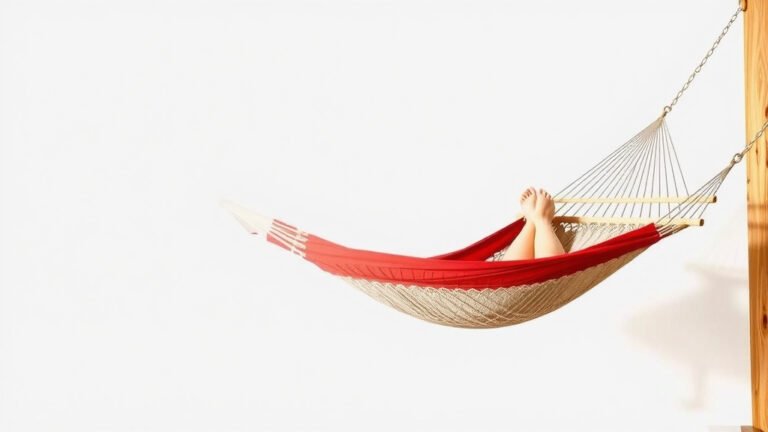
Hammocks with spreader bars create a flatter surface, which some people find more comfortable as it mimics a bed. However, this flatness can also force your spine into that less natural, flattened position we discussed. For many, a hammock without spreader bars that allows for a bit more contouring and a natural sag is actually better for spinal alignment.
Can I sleep in a hammock every night without getting back pain?
While some people can adapt to sleeping in a hammock every night, it’s not recommended for everyone, especially those with pre-existing back conditions. Prolonged, exclusive hammock sleeping can put consistent strain on your spine if not done perfectly. For long-term sleep, traditional beds or supportive camping setups often provide better spinal support.
What’s the best type of hammock material for back comfort?
Softer fabric hammocks, like those made from cotton or polyester blends, generally offer better comfort. They conform more closely to your body, distributing weight evenly and preventing pressure points. Rope hammocks can be classic, but the individual ropes can dig into your back and shoulders, leading to discomfort.
If I have sciatica, should I avoid hammocks?
If you suffer from sciatica or other serious back conditions, it’s wise to be very cautious with hammocks. The unnatural position can easily aggravate nerve pain and inflammation. We strongly advise consulting with your doctor or a physical therapist before using a hammock, as they can provide personalized guidance based on your specific condition.