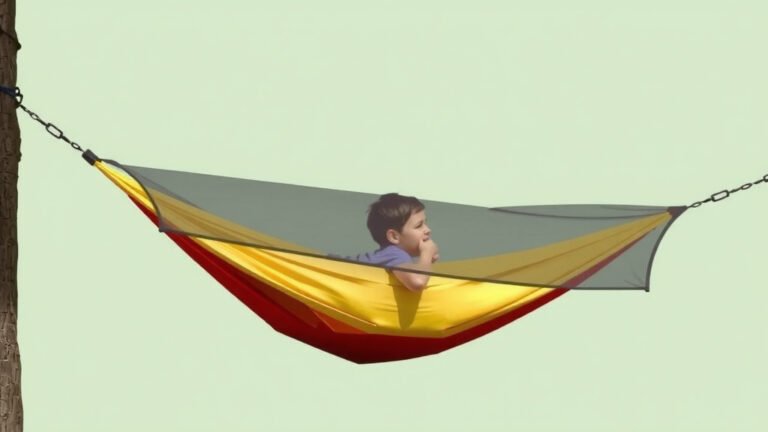

Sleeping in a Hammock in Winter: Is It Possible
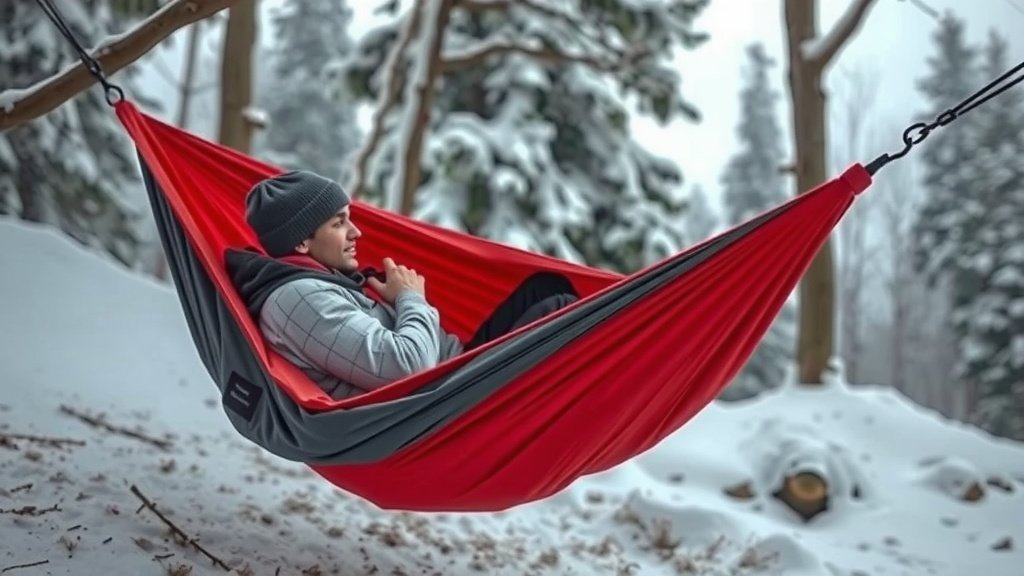
Yes, you absolutely can sleep in a hammock in winter, but it requires careful preparation to stay warm and comfortable. You’ll need to focus on proper insulation and protecting yourself from the elements. Without the right gear, winter hammock camping can be a chilly, miserable experience. We found that a few key strategies make all the difference.
Many people think hammocks are just for summer fun, but with the right approach, they can be a cozy shelter even when temperatures drop. Think of it like a well-prepared camping trip, but with the unique advantage of being off the cold ground. We found that many experienced hammock campers swear by winter excursions when they’re properly equipped for the cold weather challenges.
- Yes, winter hammock camping is possible with the right gear.
- Key is staying insulated from the cold and wind.
- You’ll need a good underquilt and a warm sleeping bag.
- A weather-resistant tarp is essential for protection.
Below, we’ll break down exactly what you need to know to enjoy a winter night in your hammock without shivering.
Staying Warm: Your Winter Hammock Camping Essentials
Sleeping in a hammock during winter is totally doable, but it’s not quite as simple as just hanging it up and hopping in. The biggest challenge you’ll face is staying warm. Unlike a tent where your body heat warms the enclosed space, a hammock can feel like a chilly cradle if you aren’t prepared. We found that the key is creating effective insulation from the cold air, which surrounds you.
Insulation is King: Battling the Cold Ground (Even When You’re Off It)
You might think, “I’m off the ground, so I should be warm, right?” Unfortunately, cold air sinks. Even though you’re suspended, the air around your hammock can still be quite frigid. Your sleeping bag alone won’t cut it. It’s designed to trap heat radiating from your body, but it doesn’t prevent cold from seeping in from below. We found that proper insulation means addressing heat loss in all directions.
The Underquilt: Your Hammock’s Best Friend in Winter
This is where the underquilt comes in. It’s essentially a quilt that hangs beneath your hammock. Its main job is to trap your body heat and prevent that cold air from chilling you from below. We found that most underquilts are rated for specific temperature ranges. For winter camping, you’ll want one rated significantly colder than the temperatures you expect. A 20°F or 0°F rated underquilt is a good starting point for most winter conditions.
The Top Quilt or Sleeping Bag: Keeping the Warmth In
Once you’ve tackled the cold from below, you need to ensure your top insulation is sufficient. While a standard sleeping bag can work, a winter-rated sleeping bag or a dedicated top quilt designed for cold weather is your best bet. We found that the fill power of the insulation (down or synthetic) matters. Higher fill power means more warmth for less weight. Your sleeping bag or top quilt should also be rated for temperatures well below freezing.
Don’t Forget Your Pad!
Some winter hammock campers even use a sleeping pad inside their hammock, on top of their underquilt. This adds an extra layer of insulation. We found that a closed-cell foam pad is a popular choice because it won’t deflate if punctured, unlike an air pad. It’s an optional but highly recommended step for seriously cold nights.
Protection from the Elements: Your Shield Against Wind and Rain
Besides the cold, you need to protect yourself from wind and precipitation. A light breeze can feel like a freezing wind when you’re hanging in the air. And let’s not even talk about rain or snow turning into a miserable experience. We found that the right shelter is crucial for a comfortable winter hammock camp.
The Hammock Tarp: Your Personal Roof
A good quality, water-resistant hammock tarp is non-negotiable for winter camping. It acts as your roof, keeping rain, snow, and wind at bay. You’ll want a tarp that’s large enough to cover your hammock completely, including your head and feet. Look for a tarp with multiple tie-out points so you can adjust it to block wind from any direction. We found that some tarps are shaped specifically for hammocks, offering better coverage and easier setup.
Choosing the Right Tarp Size and Shape
A rectangular tarp offers maximum coverage but can be heavier. A catenary-cut or diamond-shaped tarp is lighter and often easier to set up. For winter, we found that many prefer a larger tarp for added protection. Think about how the wind typically blows in your camping area. You might need to angle your tarp to create a more enclosed, wind-protected space.
Securing Your Tarp Properly
Properly staking down your tarp is essential. Use sturdy stakes designed for various ground conditions, as the ground can be frozen or soft depending on the location. We found that using guylines to create tension helps keep the tarp taut and prevents it from flapping in the wind, which can be noisy and disruptive to sleep.
Other Winter Hammock Camping Considerations
Beyond the core insulation and shelter, a few other things can make your winter hammock experience much more enjoyable. These might seem minor, but they can make a big difference when temperatures are low.
Keeping Your Gear Warm
Your sleeping bag and underquilt work best when they are dry and lofty. If you bring gear into a warm tent (if you have one) or your home, it will loft up. In the cold, moisture from your breath can freeze inside your sleeping bag. We found that keeping your bag and quilt packed tightly in a waterproof stuff sack when not in use helps protect them. Some campers even store their sleeping bag inside their hammock near their body before getting in to pre-warm it.
Managing Condensation
When it’s cold outside and warm inside your sleeping bag, condensation can form. This is especially true if you’re breathing into your bag. We found that a slightly unzipped sleeping bag or a small vent in your tarp can help with airflow. Waking up to a damp sleeping bag is never fun, so managing moisture is key.
Your Winter Hammock Camping Checklist
Ready to give it a try? Here’s a quick rundown of what you’ll need to pack:
- Winter-rated hammock underquilt
- Warm sleeping bag or top quilt (rated for expected temps)
- Insulated sleeping pad (optional but recommended)
- Water-resistant hammock tarp with guylines
- Sturdy tent stakes
- Warm hat and gloves
- Insulated sleeping clothes
Conclusion
You absolutely can enjoy a cozy night in your hammock, even when winter winds blow. We found that success hinges on one main factor: effective insulation. By layering a proper underquilt and a warm top quilt or sleeping bag, you create a warm pocket. Protecting yourself from the elements with a sturdy tarp is also key. Don’t let the cold scare you away from a unique camping experience. Gear up with these essentials, do a test run, and you’ll be ready for your winter hammock adventure.
Frequently Asked Questions
What’s the most important piece of gear for winter hammock camping?
We found that the underquilt is the most critical piece of gear. It insulates you from the cold air that sags below your hammock. Without it, your sleeping bag alone won’t be enough to keep you warm.
Can I use my regular summer sleeping bag in a hammock during winter?
While your summer sleeping bag might offer some warmth, we strongly recommend using a winter-rated sleeping bag or top quilt. These are designed for much colder temperatures and will provide the necessary insulation to keep you comfortable.
How do I prevent condensation inside my hammock in winter?
Managing moisture is important. We found that good airflow helps. Slightly unzipping your sleeping bag or ensuring a small vent in your tarp can make a big difference. This prevents your breath from creating dampness inside your gear.
Is a sleeping pad necessary if I have an underquilt?
For most winter conditions, an underquilt is sufficient. However, we found that some campers add a sleeping pad inside their hammock for extra insulation on extremely cold nights. A closed-cell foam pad is a good choice because it won’t lose its insulation if punctured.
How do I choose the right size tarp for winter hammock camping?
We recommend a tarp that’s large enough to cover your entire hammock, including your head and feet. For winter, a larger tarp offers better protection from wind and snow. Consider the typical wind direction in your camping area when setting it up.