How Hammocks Stretch Over Time Explained
Yes, hammocks do stretch over time. It’s a natural part of their life cycle. Think of it like a comfy pair of jeans. They start out snug and gradually mold to your shape. Your hammock will do something similar. This stretching is a sign that your hammock is getting broken in and becoming more comfortable for you.
The amount of stretch can depend on a few things. The material of your hammock plays a big role. Some fabrics, like cotton, will stretch more than synthetic ones. How often you use it and your weight also contribute. Regular use means it will break in faster. But don’t worry, a little stretch means it’s just getting comfier!
- Hammocks stretch over time, especially natural fibers.
- This stretching makes them more comfortable.
- Material, weight, and frequency of use affect stretch.
- Proper care can help manage stretching.
- A little stretch is usually a good thing!
We know you want to keep your hammock in top shape. Let’s talk more about what causes this stretching and how to handle it.
Understanding Hammock Stretch Over Time
So, does your hammock stretch out? Absolutely. It’s a normal part of a hammock’s life. This isn’t a defect; it’s a sign of your hammock breaking in. Over time, the fibers in your hammock relax. They adjust to your weight and how you use it. Think of it like breaking in a new pair of shoes. They start stiff but soon become perfectly molded to your feet. This article explains why your hammock sags too much and how to fix it.
Why Hammocks Stretch: The Science Behind It
The primary reason hammocks stretch is the tension they experience. When you lie in your hammock, you create a downward force. This force pulls on the fabric and the suspension points. Over many uses, the material fibers gradually lengthen. This process is especially noticeable with certain types of materials.
Material Matters: The Biggest Factor
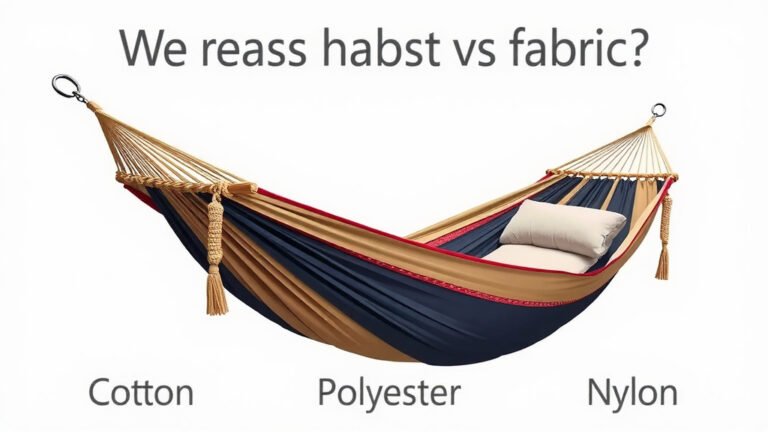
The type of material your hammock is made from plays a huge role. Natural fibers, like cotton, tend to stretch more than synthetic ones. Cotton fibers are organic and more pliable. They naturally respond to moisture and tension by expanding. Many cotton hammocks feel softer and more luxurious because of this.
Synthetic materials, such as nylon or polyester, are engineered for durability and less stretch. These fibers are often tightly woven. They are designed to resist moisture and maintain their shape under stress. While they might stretch a little initially, they typically don’t sag as much as natural fibers over time. We found that a good quality nylon hammock will hold its shape for a very long time.
Weight and Usage: How Much You Use It
Your weight in the hammock is a direct contributor to stretch. A heavier person will naturally put more tension on the fabric. This increased tension leads to faster fiber relaxation. Similarly, the more frequently you use your hammock, the more it will stretch. Regular use means more cycles of tension and relaxation for the fibers.
If you only use your hammock occasionally, you might notice less stretching. Conversely, if it’s your go-to spot for reading or napping every single day, you’ll see the effects sooner. Many hammock owners find that this initial stretch is a good sign. It means the hammock is becoming perfectly shaped for their comfort.
Signs Your Hammock is Stretching
You’ll likely notice a few things as your hammock stretches. The most obvious sign is that it feels looser. When you sit or lie down, it might sink lower than it used to. You might also find that the suspension ropes or straps seem longer.
Another indicator is if the hammock no longer feels as taut. A brand-new hammock often has a bit of spring to it. As it stretches, that tautness decreases. You might even find yourself needing to adjust your hanging height. This is perfectly normal and part of the hammock’s “break-in” period.
Managing Hammock Stretch: Tips and Tricks
While some stretch is inevitable and even desirable, you can manage it. Proper care can help keep your hammock in great shape for years. The first step is understanding your hammock’s material. If you have a cotton hammock, for example, you’ll want to treat it a bit differently than a nylon one.
Storage and Protection
When you’re not using your hammock, storing it properly is key. Keep it dry and out of direct sunlight. Moisture can cause natural fibers to swell and degrade. UV rays can weaken synthetic materials over time. We found that storing your hammock in a breathable bag in a cool, dry place extends its life.
Cleaning Your Hammock
Regular cleaning can help prevent dirt and grime from damaging the fibers. For most synthetic hammocks, a gentle wash with mild soap and water is sufficient. You can usually hand wash them or use a gentle cycle on your washing machine. Always allow them to air dry completely before storing.
Cotton hammocks may require a bit more care. You might be able to machine wash them on a delicate cycle. However, avoid harsh detergents. After washing, let them hang dry. Never put a cotton hammock in a dryer, as this can cause excessive shrinkage or damage. Many experts advise against machine drying any hammock material (CDC).
The Benefits of a Stretched Hammock
Don’t view stretching as a purely negative thing. A hammock that has stretched a bit is often a more comfortable hammock. The fibers have molded to your body shape. This creates a more ergonomic and supportive experience. It cradles you better, making it perfect for long relaxation sessions.
Many users actually prefer a hammock that has been used for a while. It feels more like a personal sanctuary. The initial stiffness is gone, replaced by a soft, inviting embrace. Think of it as your hammock becoming a custom fit just for you. It’s that perfect spot you always want to return to.
When is Too Much Stretch a Problem?
While a little stretch is good, there’s a point where it becomes too much. If your hammock sags excessively, making it hard to get in or out of, that’s an issue. You might also notice visible wear and tear on the fabric. Fraying threads or thinning material are signs of aging.
If the suspension system seems strained or the fabric has lost all its supportive structure, it might be time for a replacement. Safety is always the top priority. A hammock that is significantly over-stretched could potentially fail, which is something you definitely want to avoid. If you’re unsure, it’s always best to err on the side of caution.
Quick Hammock Care Checklist
- Inspect your hammock regularly for wear.
- Clean it according to material guidelines.
- Store it dry and out of direct sun.
- Adjust suspension as needed for comfort.
- Avoid overloading the hammock beyond its weight limit.
- Replace if you see significant fraying or thinning.

Conclusion
So, your hammock does indeed stretch, and that’s usually a good thing! Think of it as your hammock becoming more comfortable and personalized for you over time. The material, your weight, and how often you use it all play a role in this natural process. By taking proper care—keeping it dry, clean, and stored correctly—you can manage this stretch and ensure your hammock lasts for many relaxing moments. Enjoy that perfectly “broken-in” feeling, but always keep an eye out for signs that stretch might be becoming excessive and impacting safety. Your cozy hammock experience is worth a little mindful maintenance!
Frequently Asked Questions
Will my new hammock stretch a lot?
Most new hammocks will experience some initial stretch as the fibers relax under tension. Natural fibers like cotton tend to stretch more than synthetics. This initial stretch is normal and helps the hammock mold to your body for increased comfort.
How can I tell if my hammock is stretching too much?
You’ll likely notice your hammock sags much lower than it used to, making it feel less taut. If it becomes difficult to get in and out of comfortably, or you see visible fraying and thinning fabric, the stretch may be excessive.
Does hanging my hammock tightly prevent stretching?
While a taut hang provides a springy feel initially, it can actually put more stress on the fibers, potentially leading to faster stretching over time. A slightly looser hang might allow for a more gradual break-in period.
Can I shrink a stretched hammock back to its original size?
It’s very difficult to reverse stretching, especially in synthetic materials. For cotton hammocks, washing and air drying might cause some minor shrinkage, but they won’t return to their original tautness if they’ve significantly stretched.
Is it okay to use a hammock that has stretched a bit?
Yes, a little stretch often means your hammock is becoming more comfortable and has molded to your shape. As long as the fabric isn’t showing significant wear or thinning, and it still feels secure, it’s generally safe and more enjoyable to use.