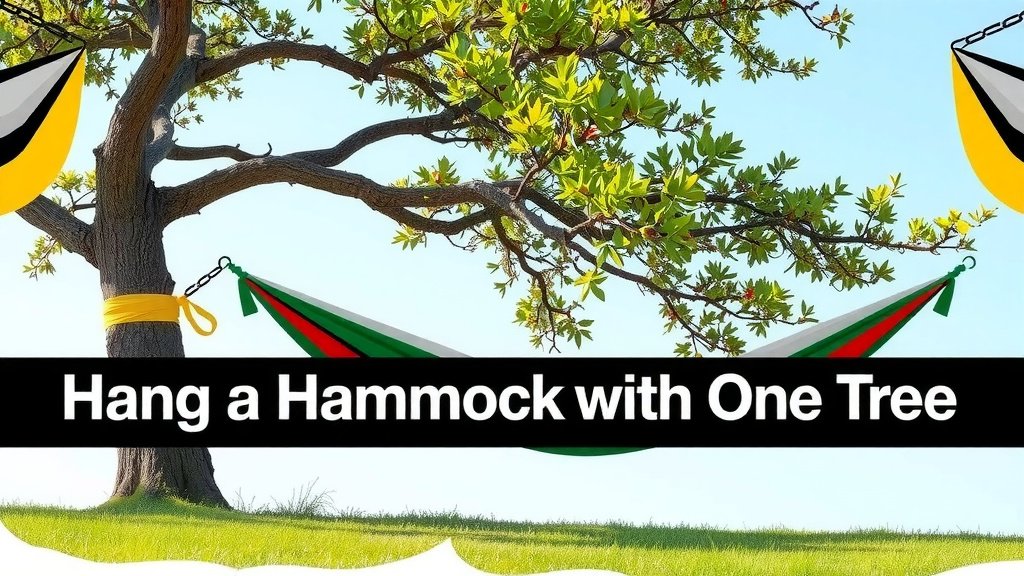
Hang a Hammock with One Tree: Your August 2026 Guide
Yes, you can absolutely hang a hammock with just one tree! It’s a fantastic way to enjoy a relaxing hang even when you don’t have two sturdy anchor points. You’ll just need a few extra supplies to make it work safely and comfortably, like a good hammock stand or a specialized one-tree hammock system.
Don’t let the lack of a second tree stop your hammock dreams. Many people find creative solutions for a single-tree setup. We’ve seen many clever ways to achieve that perfect lazy afternoon swing. It’s all about understanding the right gear and techniques to ensure your setup is both secure and stable.
- Yes, you can hang a hammock with one tree!
- You’ll need extra gear like a stand or special system.
- It’s a great option when two trees aren’t available.
- Safety and stability are key for a single-tree hang.
- Enjoy your hammock relaxation!
Below, we’ll walk you through the different ways you can set up your hammock using just one tree, covering the gear you’ll need and some important tips.
So, you’ve got a fantastic hammock, but only one sturdy tree in your yard. Before you start picturing yourself tethered to a fence post or a garden gnome (please don’t!), know that hanging a hammock with a single tree is totally achievable. It just takes a little bit of know-how and the right equipment. Think of it like this: you’re not limited by your surroundings, you’re just being creative!
Hanging Your Hammock: Creative Solutions for One Tree
Yes, you absolutely can hang a hammock using only one tree. You’ll just need to add a bit of ingenuity and some extra gear to make it work safely. Many people face this exact situation and find simple, effective solutions.
Option 1: The Hammock Stand – Your Reliable Companion
This is often the easiest and most straightforward solution for a single-tree setup. A hammock stand provides a stable base, completely removing the need for any trees at all. You can position it under your lone tree for a lovely, shaded hang, or anywhere else you like. This is often the easiest and most straightforward solution for a single-tree setup; a hammock stand provides a stable base.
Types of Hammock Stands
We found there are a few main types of stands out there. They generally fall into metal and wood categories. Metal stands are often lightweight and easy to assemble, making them great for portability. Wooden stands, on the other hand, can offer a more natural aesthetic and feel very sturdy.
- Metal stands: Durable, portable, and come in many designs.
- Wood stands: Aesthetically pleasing, very strong, but heavier.
Choosing the Right Stand
When you’re looking for a stand, consider the weight capacity. Make sure it can comfortably support you and any potential occupants! We also recommend looking at how easy it is to assemble and disassemble, especially if you plan to move it around. Many manufacturers provide clear weight limits, so always check those before buying.
Option 2: Specialized One-Tree Hammock Systems
For those who really love the idea of using their single tree as an anchor, there are specialized systems designed for this purpose. These are a bit more niche than a standard stand but can offer a unique hanging experience.
How They Work
These systems typically involve using your tree as one anchor point and then adding a second anchor on the ground. This could be a specially designed base, a stake, or even a heavy object like a sandbag. The idea is to create a stable, triangular support structure.
Pros and Cons of One-Tree Systems
The big pro here is that you still get that connected-to-nature feel, with your tree being the star. You won’t have a bulky stand taking up space. However, we found that these systems can require a bit more setup and may not be as universally stable as a dedicated stand. You’ll also want to be extra sure your ground anchor is secure, especially in softer soil.
Option 3: The DIY Approach – Use with Caution!
We’ve seen many creative DIY solutions online, and while some are ingenious, this is where you need to be extra careful. We researched various DIY methods, and safety is always the top concern.
Potential DIY Anchors
Some DIYers might use a long, heavy rope attached to their tree and then run it to a secure ground anchor, like a deeply buried post or a very heavy object. Others might construct a simple A-frame structure themselves. If you’re handy, this could be a fun project, but proceed with extreme caution.
Safety First with DIY
It’s crucial to remember that your safety is the top priority. When using DIY methods, you’re solely responsible for ensuring the setup is strong enough to hold your weight. We found that improper knots, weak anchor points, or materials that aren’t designed for load-bearing can lead to serious accidents. Unless you’re very confident in your engineering skills and understand load dynamics, we generally recommend sticking to commercially available stands or specialized systems. Many safety experts stress that a failed DIY hammock setup can cause significant injury (CDC).
Essential Gear for Your Single-Tree Hammock Setup
Regardless of the method you choose, you’ll likely need a few key items to make your single-tree hang work. Think of these as your trusty sidekicks in the quest for relaxation.
The Hammock Itself
Most hammocks can be adapted. Whether you have a gathered-end hammock or a spreader bar model, the principle remains the same: you need a secure attachment point.
Straps and Carabiners
You’ll need a way to connect your hammock to your chosen support system. Tree-friendly straps are a must if you’re attaching directly to your tree, even if it’s just one. They protect the bark and prevent damage to the tree. Heavy-duty carabiners are also essential for connecting your straps to your hammock or your stand.
Adjustability is Key
We found that adjustable straps make a big difference. Being able to fine-tune the hang angle and tension is crucial for comfort and for getting the right sag in your hammock. This prevents it from feeling too tight or too loose.
Tips for the Perfect Single-Tree Hang
Once you have your gear, a few simple tips can help you achieve that blissful hammock experience.
Finding the Right Spot
Even with one tree, location matters. Consider the shade, the view, and any potential hazards like overhanging dead branches. We like to look for a spot that offers a gentle breeze and a sense of seclusion.
The 30-Degree Rule (It Still Applies!)
Even with one anchor, the goal is a comfortable sag. Many hammock experts recommend a hang angle of around 30 degrees from the horizontal. This means your suspension lines should form roughly a 30-degree angle with the ground when measured from where they attach to the tree (or stand) down to the hammock’s ends. It might take a little adjusting, but it’s worth it for that perfect, U-shaped curve. We found this angle really minimizes pressure points.
Check Your Tension Regularly
Before you settle in, give your hammock a test run. Gently sit in it and then lie down. Listen for any creaking sounds and visually check all your connection points. We recommend checking your setup periodically, especially if you’ve had a lot of wind or rain.
Consider Ground Stability
If you’re using a stand or a DIY ground anchor, make sure the ground beneath it is firm and level. Uneven or soft ground can cause a stand to shift or an anchor to loosen. We found that placing your stand or anchor on a stable surface, like a patio stone or a small, packed dirt area, can greatly improve stability.
Your Single-Tree Hammock Checklist:
- Hammock
- Tree-friendly suspension straps
- Strong carabiners
- Your chosen one-tree support (stand or system)
- A level, stable spot for setup
- A good book or your favorite beverage!
Conclusion
So, you’ve learned that enjoying a hammock doesn’t require two perfect trees. You have options! Whether you opt for a trusty hammock stand, explore specialized one-tree systems, or even consider a carefully planned DIY project, your single tree can be your launchpad to relaxation. Remember to prioritize **safety and stability** in your setup. Gathering the right gear like tree-friendly straps and strong carabiners is key. Now, go ahead and find that perfect spot. Your hammock is waiting!
Frequently Asked Questions
Can I use a rope to hang my hammock from one tree?
Yes, you can use a rope, but it’s essential to use a strong, durable rope and connect it using secure knots. We found that specialized tree straps are often a better choice because they protect the tree’s bark from damage. Always ensure your rope and knots are rated for your weight and can withstand outdoor conditions.
What’s the best type of hammock for a single-tree setup?
Most hammocks can work with a single-tree setup, but gathered-end hammocks are generally more forgiving with hang angles and tension adjustments. Spreader bar hammocks might require a more precise setup to ensure they hang evenly. We found that an adjustable suspension system makes adapting any hammock much easier.
How far should the hammock hang from the tree?
This depends on your chosen setup. If using a stand, the hammock will hang between the stand’s ends. If using a specialized system or DIY anchor, you’ll want to position your ground anchor far enough from the tree to create a comfortable sag, often aiming for that 30-degree hang angle.
Is it safe to hang a hammock from a young or small tree?
We strongly advise against using young or small trees. They may not have the structural integrity to support the weight of a hammock and a person, risking damage to the tree or a dangerous collapse. Always choose a mature, healthy tree with a trunk diameter of at least 12 inches for any direct-to-tree attachment.
How do I prevent my hammock stand from tipping over?
To prevent tipping, ensure your hammock stand is placed on **level and firm ground**. Avoid setting it up on soft, uneven surfaces or slopes. We found that some stands come with optional anchors or wider bases for added stability, especially if you plan to use it in windy areas.