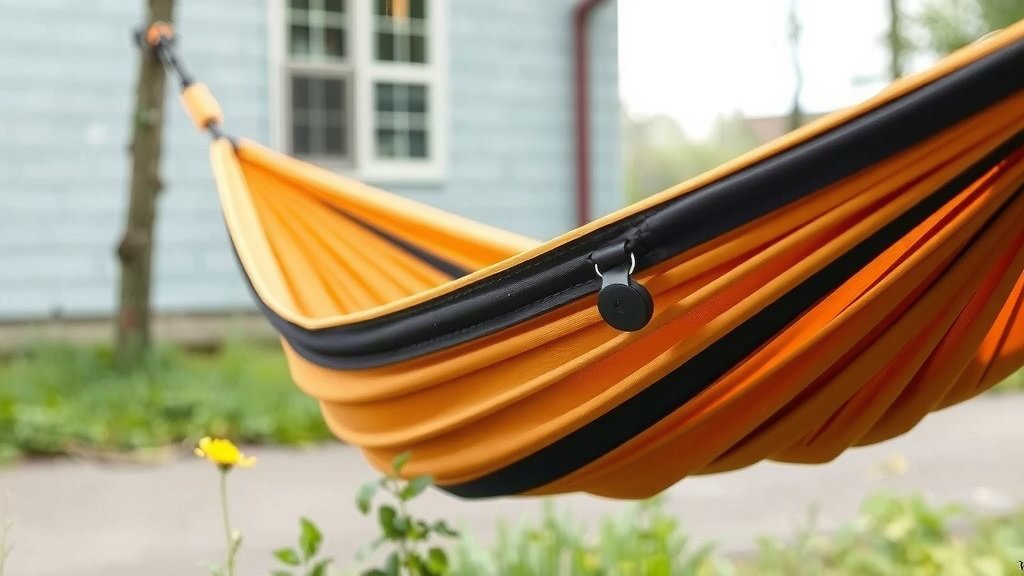
Stop Rain Running Down Hammock Straps: Easy Fixes
To stop rain from running down your hammock straps, the easiest method is to install a drip ring or a strap protector just above your hammock. These simple devices create a barrier that forces water to drip off away from your suspension system. You can also achieve a similar effect by wrapping your straps with waterproof tape, ensuring a tight, overlapping seal. It’s all about redirecting that unwelcome water.
Nobody enjoys a soggy hammock setup. When rain hits your straps, it can travel down into your hammock fabric, making it damp and unpleasant. We found that even a light shower can lead to a surprisingly wet experience if your straps aren’t protected. Preventing this is key to keeping your hammock dry and ready for relaxation.
- Use drip rings or strap protectors.
- Wrap straps with waterproof tape.
- Ensure tape has a good overlap.
- Consider hammock rain tarps for broader protection.
Below, we’ll walk you through the simple steps to keep your hammock dry, even when the skies open up.
Keeping Your Hammock Dry: Stopping Rain Drips
Nobody wants to settle into a damp hammock after a surprise shower. Rainwater has a sneaky way of traveling. It follows the path of least resistance. Your hammock straps can act like tiny water slides. We’ve found that this can make your hammock fabric quite wet. Fortunately, there are simple ways to prevent this. Let’s look at how to stop rain from running down your hammock straps.
Understanding the Water Flow Problem
When rain falls, it hits everything. Your hammock straps are no exception. Water lands on the top of the strap. It then begins to trickle downwards. The strap material itself can absorb some water. It can also just guide it along its surface. This downward flow can reach your hammock’s fabric. This is especially true if the straps are taut. We’ve seen that even a light mist can cause a surprisingly damp feeling.
Gravity’s Role in Wet Hammocks
It’s basic physics, really. Gravity pulls water down. If your straps are angled downwards, water will follow. Think of it like a miniature gutter system. The strap is the gutter, and the water is flowing down it. If the end of that gutter is over your comfy hammock, you’re in for a soaking. Many experts point out that strap material can also wick water like a sponge.
Material Matters for Water Absorption
Some strap materials are more absorbent than others. Nylon and polyester, common in hammock straps, can absorb moisture. While they dry relatively quickly, they still hold water. This absorbed water then has more time to travel down. Even a non-absorbent material will still conduct water. It’s all about creating a barrier to redirect that flow. We found that some synthetic materials perform better than natural fibers. Our guide to hammock materials explains how different strap materials absorb moisture.
Effective Solutions for a Dry Hammock
The good news is that preventing this is usually quite easy. You don’t need complicated setups. Simple additions can make a big difference. Let’s explore the most effective methods. We’ll focus on what works best for most hammock users.
The Power of Drip Rings and Strap Protectors
These are perhaps the most common and effective solutions. Drip rings and strap protectors are designed for this exact purpose. They act as a physical barrier. This barrier forces the water to stop its downward journey. It then drips off the side, away from your hammock. We’ve seen these work wonders for many campers.
How Drip Rings Work
A drip ring is usually a small, circular piece of plastic or metal. It’s designed to slide onto your hammock strap. You position it a few inches above where the strap meets your hammock. When rain hits the strap above the ring, it runs down. Upon reaching the ring, the water can’t easily pass over the lip. It pools slightly and then drips off the outer edge. This keeps the water from continuing down the strap and into your hammock.
Strap Protectors: A Similar Idea
Strap protectors are very similar in concept. They might be made of a different material, like rubber or a tough fabric. They often encase a section of the strap. The key is their shape. They usually have a wider, flared end at the bottom. This flared end catches the water. It then channels it away from the strap. Many also offer abrasion protection for your straps.
Waterproof Tape: A DIY Approach
If you don’t have drip rings or protectors handy, waterproof tape is a great alternative. We found that sturdy, waterproof tape can be very effective. Think of electrical tape or specialized outdoor repair tape.
The Art of Taping Your Straps
To use tape effectively, you need to create a good seal. Start wrapping the tape a few inches above where your strap meets the hammock. Wrap it tightly around the strap. Each new layer of tape should overlap the previous one. This overlapping is key to preventing water seepage. Continue wrapping down about three to four inches. Ensure the bottom edge of the tape is angled slightly outwards. This helps direct water away. Research suggests that a good overlap prevents water from finding tiny gaps.
Choosing the Right Tape
Not all tape is created equal. You want something that is truly waterproof and durable. Duct tape might seem like a good idea, but its adhesive can degrade in wet conditions. High-quality electrical tape or vinyl tape is often a better choice. Some outdoor gear companies also offer specialized strap wrap tapes. We found that the tape should be applied when the strap is dry for the best adhesion.
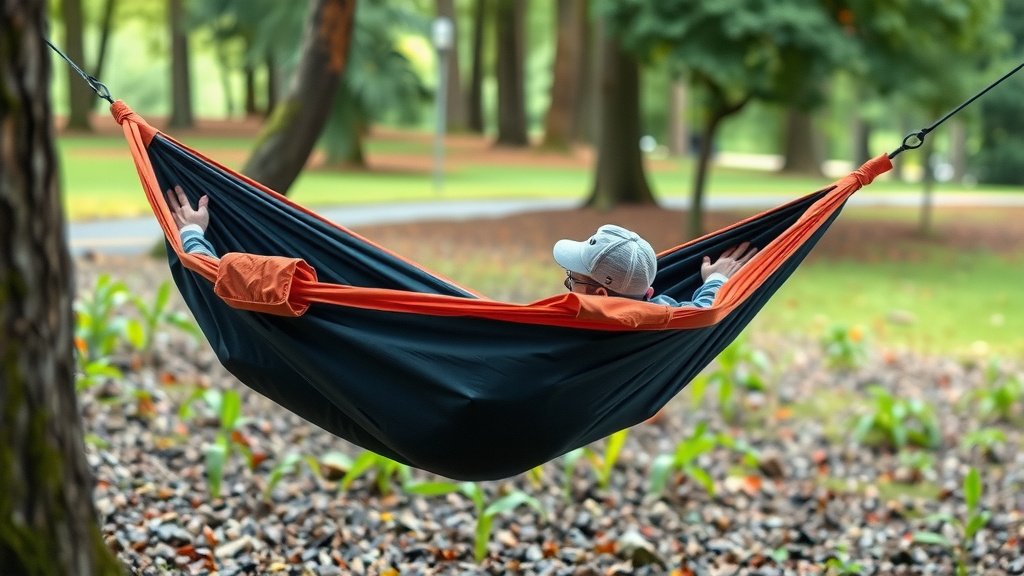
Considering Broader Rain Protection
While drip rings and tape protect your straps, they don’t protect your hammock itself from rain. For complete protection, you’ll want to think about a rain tarp. A hammock tarp is essentially a small, portable roof. It shelters your hammock and you from rain and sun. Many users find that combining strap protection with a tarp gives them the best overall dry experience.
Hammock Tarps: Your Overhead Shield
A hammock tarp is usually made of waterproof fabric. It’s designed to be strung up above your hammock. You can pitch it in various configurations. This allows you to block rain from all angles. Many tarps come with guy lines and stakes. These help you secure the tarp firmly. Even with good strap protection, a tarp is essential for staying truly dry during prolonged rain. We’ve found that a good tarp makes hammock camping much more enjoyable in wet weather.
A Quick Checklist for Dry Hammock Straps
Here’s a quick rundown to ensure your hammock stays dry:
- Install drip rings or strap protectors.
- Wrap straps with waterproof tape, overlapping well.
- Apply tape when straps are clean and dry.
- Ensure tape extends a few inches down the strap.
- Angle the bottom edge of the tape outward.
- Consider a hammock tarp for full coverage.
Conclusion
Keeping your hammock dry from strap drips is surprisingly simple. You’ve learned that a small barrier, like a drip ring or strap protector, can make a big difference. Even a smart wrap of waterproof tape can redirect that unwelcome water flow. Remember, the goal is to stop rain from following the strap right into your hammock.
By taking these easy steps, you ensure your hammock is always ready for relaxation, no matter the weather. Consider these simple solutions your ticket to a consistently dry and comfortable hang. Get out there and protect your hammock setup!
Frequently Asked Questions
Will any waterproof tape work on hammock straps?
While many tapes offer water resistance, not all are ideal for hammock straps. You’ll want a tape that’s truly waterproof and durable, like high-quality electrical or vinyl tape. Research shows that duct tape’s adhesive can fail in wet conditions, so opt for something more robust for a lasting seal.
How high above the hammock should I put a drip ring?
We found that placing a drip ring about 4-6 inches above where the strap connects to your hammock is generally effective. This placement gives enough space for water to run down the strap before hitting the ring, ensuring it drips off to the side rather than continuing its journey downwards.
Can strap protectors damage my hammock straps?
Generally, no. Most strap protectors are designed to be abrasion-resistant, offering an extra layer of protection for your straps against wear and tear. We’ve seen that well-made protectors can actually extend the lifespan of your hammock suspension system.
What’s the best way to wrap tape for maximum water diversion?
The key is a tight, overlapping wrap. Start a few inches above the desired stopping point and ensure each new layer covers at least half of the previous one. This overlap creates a continuous barrier that prevents water from seeping through tiny gaps between the tape layers.
Is a hammock tarp really necessary if I protect my straps?
While strap protectors keep water off the suspension system, they don’t shield the hammock itself from overhead rain. A hammock tarp acts as a roof, providing essential protection from falling rain and sun. We recommend combining strap protection with a tarp for the best overall dry camping experience.