Choosing a Hammock: Your Ultimate Guide
Choosing the right hammock is all about matching your needs to the hammock’s features and materials. Think about where you’ll hang it, who will use it, and your budget to find the perfect hang. We’ve researched countless options to help you select a hammock that provides lasting comfort and enjoyment for years to come.
Your hammock choice impacts everything from portability to durability. Consider size, weight capacity, and the type of fabric. Whether it’s for backyard relaxation, camping adventures, or a cozy indoor nook, the right hammock makes all the difference. We found that understanding these key aspects is essential for a great experience.
- Material matters: Cotton is soft but needs protection. Nylon is durable and quick-drying.
- Size and capacity: Ensure it fits your space and can support your weight.
- Intended use: Camping hammocks are light and packable; backyard ones can be larger.
- Hanging hardware: Straps are easier on trees than ropes.
Let’s break down the different types of hammocks and what to look for so you can find your ultimate relaxation station.
Picking Your Perfect Hammock Haven
Choosing the right hammock can transform your relaxation game. We’ve looked into what makes a hammock great. It’s about matching your lifestyle and space. Think about where you’ll hang it and what you’ll do in it. This guide will help you find a hammock that feels like your own personal cloud.
Understanding Hammock Styles and Their Best Uses
Not all hammocks are created equal. Different types suit different needs. Let’s explore the main categories.
The Classic Brazilian Hammock
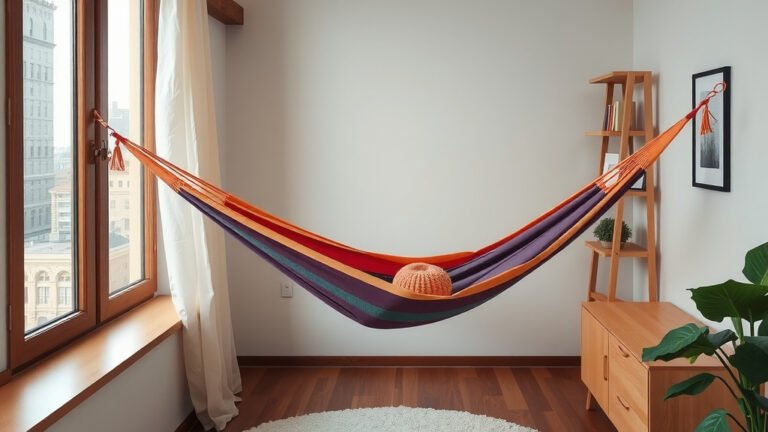
These often feature woven fabric, sometimes with fringes. They offer incredible comfort. Many Brazilian hammocks are wide, perfect for lounging. They cradle your body for a cozy feel. You can often lie in them sideways, which many find more stable. They are fantastic for your backyard or a shaded porch.
The Camping Hammock
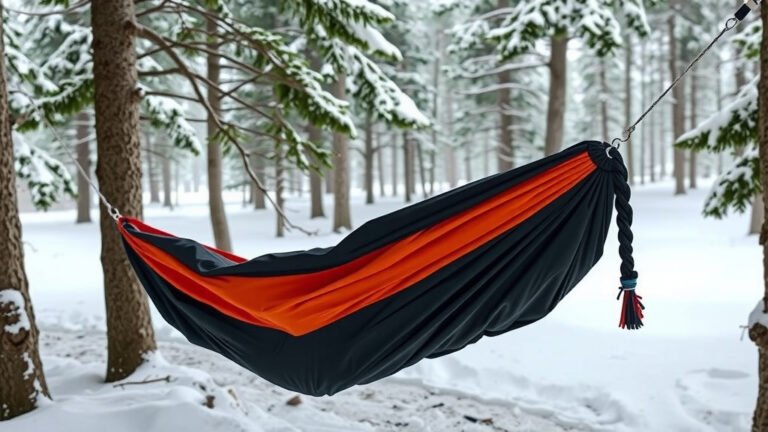
Lightweight and packable are the keywords here. Camping hammocks are usually made from durable nylon. They are designed to be carried in a backpack. Setup is quick and easy. Many come with integrated bug nets. Some even have optional tarps for rain protection. These are your go-to for outdoor adventures.
The Spreader Bar Hammock
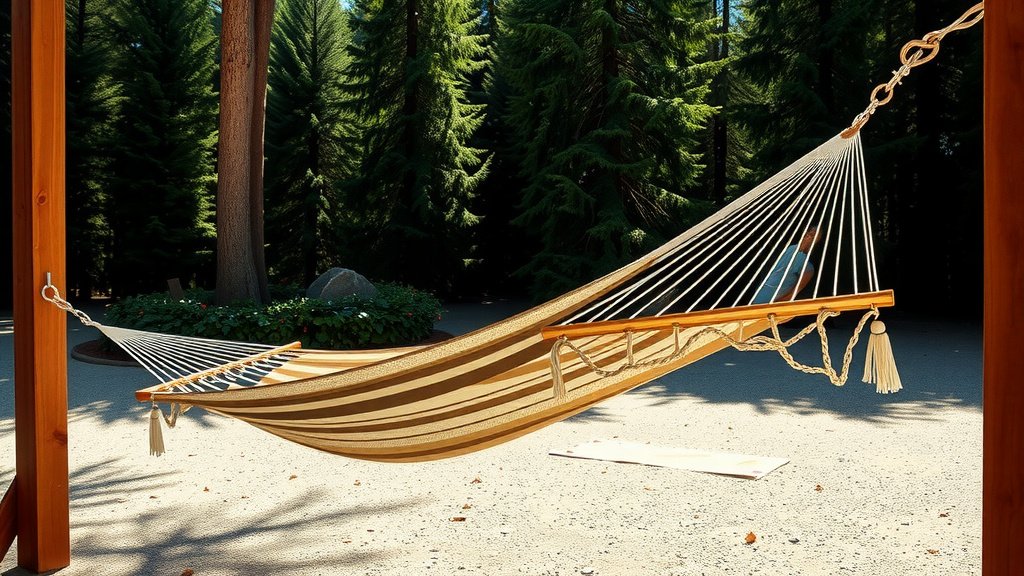
These hammocks have wooden or metal bars at each end. The bars keep the fabric spread out. This prevents the cozy “cocoon” feeling of other hammocks. They offer a more open-air experience. Spreader bar hammocks are great for sunbathing. However, they can be less stable. A strong gust of wind can tip you out. We found they are best for calm, sheltered spots.
The Quilted Hammock
These look and feel luxurious. They are made of fabric filled with soft batting. This gives them a plush feel. Many have a striped design. Quilted hammocks are super comfortable for relaxing. They are generally quite durable. However, they can be heavy. They also take longer to dry if they get wet. They are ideal for patios and gardens.
Material Matters: What Your Hammock is Made Of
The fabric of your hammock greatly impacts its feel and durability. Here’s a look at common materials.
Cotton
Cotton is wonderfully soft and breathable. It feels great against your skin. Many find it perfect for warm weather lounging. However, cotton is not weather-resistant. It can mildew if left out in the rain. It also takes a long time to dry. We recommend cotton hammocks for covered areas or indoor use. You’ll want to bring them inside when not in use.
Nylon (Ripstop)
This is the champion of camping hammocks. Ripstop nylon is incredibly strong. It’s also lightweight and dries very quickly. Many versions are water-resistant. This makes them great for unpredictable weather. It’s a very durable choice. It can feel a bit slippery to some. But its performance is hard to beat for active use.
Polyester
Polyester offers a good balance. It’s more durable than cotton. It’s also more resistant to UV rays and mildew. Polyester dries faster than cotton. It’s a good option for backyards. It can withstand the elements better. It might not feel as soft as cotton initially. But many find it softens with use.
Specialty Fabrics
Some high-end hammocks use advanced materials. Think Dyneema or parachute cloth. These are extremely lightweight and strong. They are often used by serious backpackers. They can come with a higher price tag. We found these are best for those prioritizing ultra-portability.
Size and Weight Capacity: Finding the Right Fit
You don’t want a hammock that’s too small or too big. Getting the size right is key for comfort and safety.
Hammock Dimensions
Hammocks are often described by their total length and width. A standard hammock might be around 9-10 feet long. The width can vary from 3 to 6 feet. Wider hammocks offer more space. They allow you to stretch out. They also make it easier to lie flat or sideways. Measure the space where you plan to hang your hammock. Ensure you have enough room for it to hang properly.
Weight Capacity
This is non-negotiable. Always check the hammock’s weight limit. This is usually listed by the manufacturer. Most single hammocks can hold around 250-400 pounds. Double hammocks can support more. If two people plan to share, look for a double. It’s also wise to have some buffer. Don’t max out the weight limit. This ensures longevity for both you and the hammock.
Hanging Your Hammock: What You Need
Once you have your hammock, you need a way to hang it. The right hardware makes a big difference.
Straps vs. Ropes
Hammock straps are highly recommended. They are wide strips of webbing. They distribute weight evenly. This protects tree bark. Ropes can dig into trees. This can damage them over time. Many experts recommend using straps (Arbor Day Foundation).
Suspension Systems
Straps often come with carabiners. These allow for quick attachment and adjustment. Some systems are simple loop systems. Others offer more advanced adjustment options. We found that adjustable systems are easier to use. They let you fine-tune the hang angle.
A Hammock Stand
No trees nearby? No problem! Hammock stands are a great solution. They provide a stable frame. You can place them on a patio, deck, or even indoors. Stands come in various materials like metal or wood. They offer flexibility in placement. Just ensure the stand is compatible with your hammock size.
Your Hammock Shopping Checklist
Ready to find your perfect hammock? Keep this list handy:
- Intended Use: Will it be for camping or backyard lounging?
- Material Preference: Soft cotton, durable nylon, or weather-resistant polyester?
- Size Needs: Solo relaxation or sharing with a loved one?
- Weight Capacity: Ensure it comfortably supports your weight.
- Hanging Solution: Do you need straps, ropes, or a stand?
- Budget: Determine how much you’re willing to spend.
Conclusion
You’ve learned how to pick a hammock that perfectly fits your lifestyle. Consider your intended use, whether it’s for relaxing in your backyard or adventuring outdoors. Material choice, like breathable cotton or quick-drying nylon, plays a big role in comfort and durability. Always check the size and weight capacity to ensure a safe and comfortable experience. With these tips, you’re ready to find your ideal spot for relaxation. Your perfect hammock awaits!
Frequently Asked Questions
How do I choose the right hammock for my small apartment?
For a small apartment, a portable camping hammock made of nylon is a great choice. You can easily hang it with a stand or strong ceiling hooks, and it packs away when not in use. Look for one that isn’t too bulky and offers good durability.
What’s the best hammock material for humid climates?
In humid climates, polyester or ripstop nylon are your best bets. These materials are more resistant to mildew and dry much faster than cotton. This will prevent mold and keep your hammock fresh for longer.
Can I use a hammock indoors without trees?
Absolutely! A hammock stand is the perfect solution for indoor use. You can also find heavy-duty ceiling or wall mounts if you prefer a more permanent setup. Just ensure whatever you use is rated for the weight capacity.
How far apart should my hammock hanging points be?
Generally, your hanging points should be about 10-15 feet apart for a standard hammock. This allows the hammock to hang with a nice curve, often called the “happy hang.” It prevents the hammock from being too tight or too slack.
Are spreader bar hammocks safe for napping?
Spreader bar hammocks offer a more open experience but can be less stable. While great for lounging, they might not be the best choice for deep, undisturbed naps, especially if you tend to toss and turn. Consider a classic or Brazilian style for maximum coziness and stability.