
Hammock Materials Explained: What’s Best for You
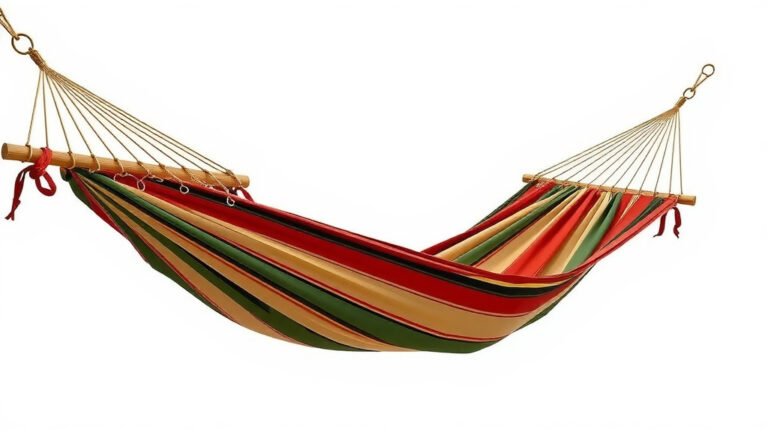
Hammocks are typically made from materials like cotton, polyester, and nylon. You’ll also find some hammocks crafted from natural fibers such as hemp and canvas. The best material for your hammock really depends on where you plan to use it and what you’re looking for in terms of comfort and durability.
When choosing a hammock, consider the climate and how much weight it needs to hold. For a soft, breathable feel, cotton is a great choice for lounging. If your hammock needs to withstand the elements or handle more active use, synthetic materials like polyester and nylon offer better water resistance and strength.
- Cotton: Soft and breathable, great for dry, casual use.
- Polyester: Durable and weather-resistant, good for outdoor adventures.
- Nylon: Lightweight and strong, often used in camping hammocks.
- Hemp/Canvas: Natural fibers offering a rustic feel and good strength.
Let’s dive into the details of each material so you can pick the perfect hammock for your next outdoor escape.
What Fabrics Are Hammocks Usually Made From?
Hammocks come in a surprising variety of materials. This helps them fit different needs and preferences. You’ll find hammocks made from natural fibers and tough synthetics. We’ll walk you through the most common options. Think about where you’ll hang your hammock. Consider how much wear and tear it might face. This will guide you to the best material for your comfort.
Exploring Popular Hammock Materials
Cotton: The Classic Comfort Choice
Cotton is a beloved material for hammocks. It’s known for its softness and breathability. Imagine sinking into a cozy cotton hammock on a warm afternoon. It feels wonderfully gentle against your skin. Cotton hammocks are perfect for casual lounging. They’re ideal for covered porches or indoor use. Cotton offers a nice, relaxed feel.
However, cotton has its limits. It doesn’t fare well in wet conditions. If left out in the rain, it can become heavy and develop mildew. It also takes a long time to dry. For this reason, cotton hammocks are best suited for dry climates or areas where they can be easily stored indoors.
Polyester: The All-Weather Warrior
When you need a hammock that can handle the outdoors, polyester is a top contender. This synthetic fabric is known for its durability and resistance to the elements. Polyester is much less likely to fade from sun exposure than cotton. It also dries significantly faster, which is a huge plus.
Polyester hammocks are a good choice for decks, patios, or even campsite setups. They can withstand a bit of moisture without much fuss. You’ll find polyester used in many outdoor furniture pieces for this very reason. It offers a balance of comfort and practicality. Many find its slightly smoother texture quite pleasant.
Nylon: Lightweight Strength for Adventure
Nylon is another strong synthetic fabric. It’s often used for camping and backpacking hammocks. Why? Because it’s incredibly lightweight and packs down small. This makes it super convenient to carry on your adventures. Despite its light weight, nylon is surprisingly strong and tear-resistant.
One of the main benefits of nylon is its excellent strength-to-weight ratio. It’s also quick-drying and resistant to mold and mildew. Some nylon hammocks have a silky feel. Others are woven more tightly for extra support. If you plan on taking your hammock hiking or camping, nylon is likely your best bet.
Canvas and Hemp: Natural and Robust
For a more traditional and sturdy feel, canvas and hemp hammocks are excellent options. Canvas, often made from cotton or linen, provides a strong and comfortable hang. It has a classic, rustic look that many people adore. Hemp offers similar qualities, being a natural fiber known for its strength and longevity.
These natural fibers can be quite comfortable. They tend to be breathable, much like cotton. However, similar to cotton, they can absorb moisture. It’s wise to protect them from prolonged dampness. Canvas and hemp hammocks often have a substantial feel, offering reliable support.
A Quick Comparison of Hammock Materials
To help you visualize the differences, let’s break down the key characteristics in a table. This should make your decision a bit easier.
| Material | Best For | Pros | Cons |
|---|---|---|---|
| Cotton | Indoor, covered porches, dry climates | Soft, breathable, comfortable | Absorbs water, slow to dry, prone to mildew |
| Polyester | Outdoor use, patios, decks | Durable, weather-resistant, quick-drying | Can feel less soft than cotton, might fade over time |
| Nylon | Camping, backpacking, travel | Lightweight, strong, quick-drying, compact | Can be slippery, less breathable than cotton |
| Canvas/Hemp | Durable lounging, rustic aesthetic | Strong, sturdy, breathable, natural feel | Can absorb moisture, slower drying than synthetics |

What to Consider When Choosing Your Hammock Material
Climate and Location Impact
Your local climate plays a huge role. If you live somewhere with frequent rain, synthetics like polyester or nylon are your friends. They won’t get waterlogged and heavy. If you’re in a dry, sunny region, cotton might be perfectly fine for casual use.
Think about where you’ll set up your hammock most often. Will it be exposed to the elements? Or will it be in a screened-in porch? Answering these questions will help you rule out certain materials. Protecting your hammock from excessive moisture is key to its lifespan.
Comfort vs. Durability
This is often the main trade-off. Cotton offers unparalleled softness for pure relaxation. It’s like a gentle hug. However, it’s not built for rugged use or damp conditions. For situations where durability and weather resistance are more important, synthetics shine.
Polyester and nylon are designed to last. They can handle more exposure and a bit of rough-and-tumble. While they might not feel as luxuriously soft as some cottons, they offer peace of mind. You won’t have to worry as much about bringing them in.
Weight Capacity and Weave Style
No matter the material, pay attention to the hammock’s weight capacity. This is often determined by the weave and the quality of the material itself. A tight, strong weave in nylon or polyester can support a lot of weight. Some hammocks are made with a netted or string-like construction, which can be very breathable but might have different support characteristics.
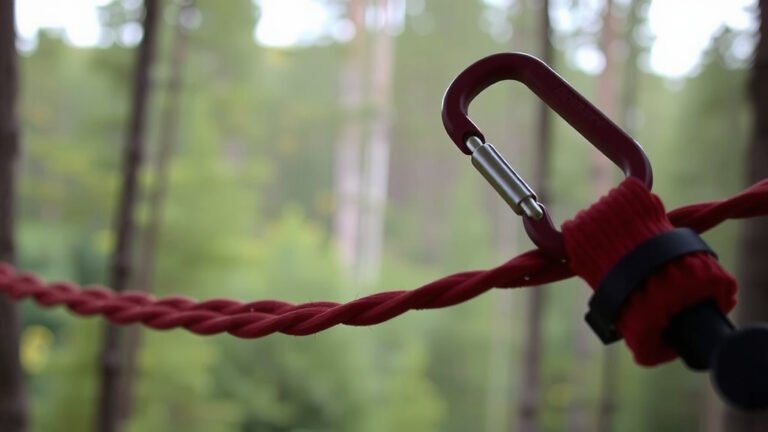
You might find hammocks made from strong ropes or cords. These are often designed for maximum airflow. Research the specific construction of any hammock you’re considering. Ensuring it meets your needs for both comfort and safety is essential.
A Checklist for Your Hammock Material Decision
Ready to make a choice? Run through this quick checklist:
- Will your hammock be used outdoors often?
- How much rainfall does your area typically get?
- Do you prioritize extreme softness or long-lasting durability?
- Will you be traveling or camping with your hammock?
- Do you need a hammock that dries very quickly?
- What is your budget for a new hammock?
Conclusion
You’ve explored the common materials that make up hammocks, from the soft embrace of cotton to the rugged resilience of polyester and nylon. Remember, your ideal hammock material boils down to your intended use and environment. Cotton offers supreme comfort for dry, relaxed settings. Synthetics like polyester and nylon provide excellent durability and weather resistance for adventures. Natural fibers like canvas and hemp offer a sturdy, traditional feel. By considering climate, comfort, and durability, you’re well-equipped to choose the perfect hammock for your relaxation needs. Now, go find that perfect spot and get ready to unwind!
Frequently Asked Questions
Is cotton or polyester better for an outdoor hammock?
For an outdoor hammock that will be exposed to the elements, polyester is generally the better choice. It’s much more resistant to moisture, UV rays, and mildew than cotton. Cotton is best suited for dry climates or covered areas.
Are nylon hammocks good for everyday use?
Nylon hammocks are fantastic for everyday use, especially if you value portability and durability. They are lightweight, strong, and dry very quickly, making them versatile for both indoor and outdoor lounging, as well as travel.
How do I prevent mildew on my cotton hammock?
To prevent mildew on a cotton hammock, ensure it dries completely after any exposure to moisture. Store it indoors or in a dry, well-ventilated area when not in use. Avoid leaving it out in damp conditions for extended periods.
Can canvas hammocks get wet?
Canvas hammocks can handle some moisture, but like cotton, they are made from natural fibers that absorb water. They will take longer to dry than synthetic options and can be prone to mildew if left damp. It’s best to dry them out thoroughly after use or store them in a dry place.
Which hammock material is the strongest?
When considering strength, especially in relation to weight, nylon often comes out on top. It offers an excellent strength-to-weight ratio, meaning it’s very strong for how light it is. Polyester and tightly woven canvas/hemp are also very strong and durable options.