Single vs Double Hammock: Which Is Right For You
Choosing between a single and double hammock really depends on your relaxation style. For solo lounging, a single hammock is perfect. If you love sharing your chill time or need a bit more space, a double hammock is your best bet.
Think about who will be using it most. Are you a lone wolf seeking solitude, or do you have a favorite cuddle buddy? We found that material and weight capacity are also super important factors. Your hammock should be durable and comfortable for everyone.
- Solo relaxation? Go single.
- Sharing or extra space? Choose double.
- Consider weight limits for safety.
- Fabric type affects comfort and durability.
- Match hammock size to your needs.
Let’s dive into the details to help you pick the absolute perfect hammock for your backyard oasis!
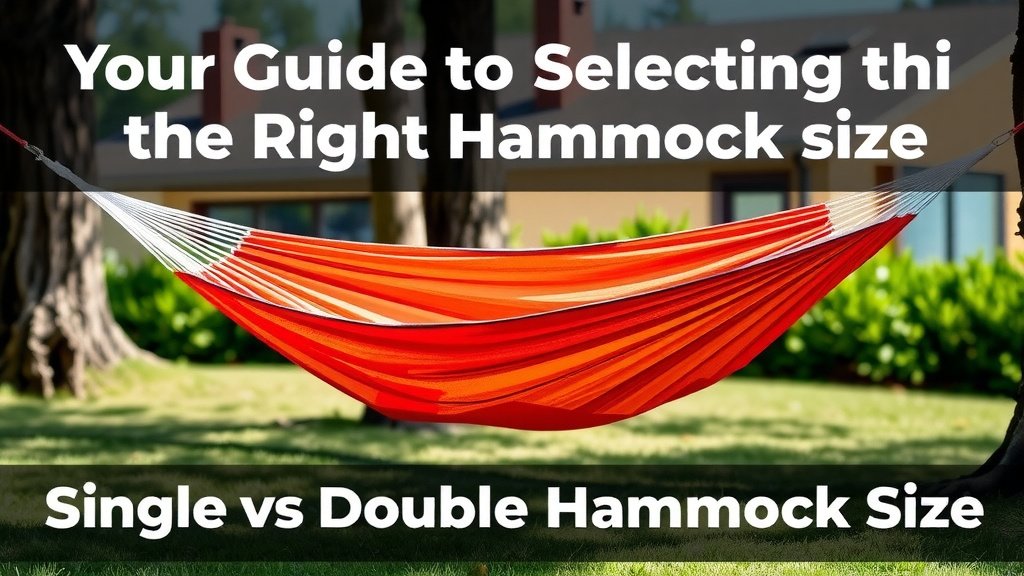
Your Guide to Selecting the Right Hammock Size
So, you’ve decided a hammock is in your future. Excellent choice! Now, the big question: single or double? It’s not just about how many people will use it. We found that understanding the subtle differences can make a world of difference in your relaxation. Let’s break down what makes each size a great choice.
The Charm of a Single Hammock
Imagine this: a perfect afternoon, a gentle breeze, and just you. That’s the sweet spot for a single hammock. These are designed for one person, offering a cozy, nest-like embrace. They typically measure around 6-7 feet long and 2.5-3 feet wide. Think of it as your personal hammock sanctuary.
Why choose single? It’s ideal if you’re mostly a solo lounger. You get all the hammock space to yourself. This can be wonderfully peaceful. It’s also a great option if you have limited hanging space. Fewer materials mean a lighter hammock too, which can be easier to pack for camping or travel.
The Spaciousness of a Double Hammock
Now, picture sharing that perfect afternoon. Maybe with a partner, a child, or even a furry friend. That’s where the double hammock shines. These are generously sized, usually around 7-8 feet long and 4-5 feet wide. They offer ample room for two people to lie comfortably side-by-side, or for one person to sprawl out like royalty.
Why choose double? If you plan on sharing your hammock, a double is a must. It provides the extra space needed for two adults without feeling cramped. Even if you’re a solo sitter, a double hammock can be a luxurious choice. You can stretch out, read a book, or even lie flat on your back with plenty of room to spare. We found that many users love the feeling of extra room, even when they’re alone.
Material Matters: Comfort and Durability
Beyond size, the material your hammock is made from plays a huge role. It affects how it feels against your skin, how well it holds up over time, and even how easy it is to care for. Let’s look at the common options.
Cotton Hammocks: Soft and Breathable
Cotton hammocks are often lauded for their incredible softness and breathability. They feel wonderfully gentle and cool against your skin, making them perfect for warm, sunny days. Many people find the natural fibers very comforting.
The downside? Cotton isn’t the most durable material, especially when exposed to the elements. It can absorb moisture and is prone to mildew if not dried properly. We found that cotton hammocks are best suited for covered porches or indoor use where they can be protected from rain and prolonged dampness. They require more diligent care if used outdoors.
Nylon and Polyester Hammocks: Weather-Resistant Wonders
Synthetic fabrics like nylon and polyester are workhorses. They are known for their durability and resistance to moisture, mold, and mildew. This makes them excellent choices for camping, backpacking, or leaving outdoors.
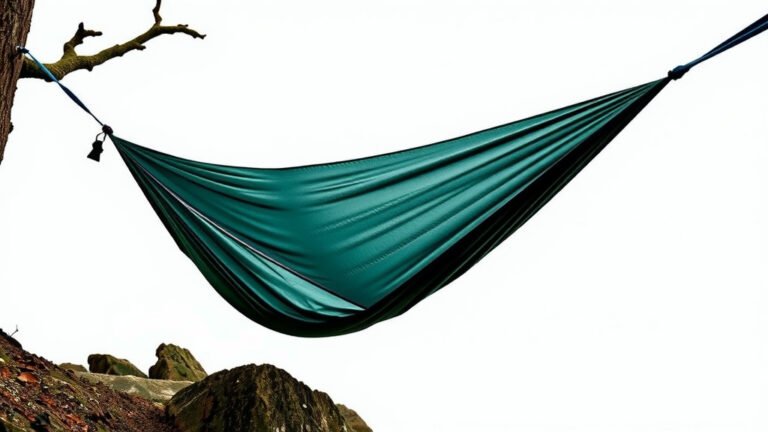
Nylon, especially parachute nylon, is lightweight, strong, and packs down small. Polyester offers good UV resistance, meaning it won’t fade as quickly in the sun. We found that these materials dry quickly, which is a huge plus. While they might not feel as soft as cotton initially, modern synthetics are often treated for improved comfort.
Olefin and Solution-Dyed Acrylic: Premium Outdoor Fabrics
For hammocks that live outdoors year-round, fabrics like olefin and solution-dyed acrylic are top-tier. These materials are specifically engineered for outdoor use. They offer exceptional resistance to fading, stains, and mildew. Many outdoor furniture fabrics are made from these same materials.
You’ll often find these in higher-end hammocks. They provide a great balance of comfort and extreme weather resistance. While they might come with a slightly higher price tag, their longevity can make them a worthwhile investment for your permanent outdoor relaxation spot. Many experts suggest these for maximum outdoor enjoyment.
Weight Capacity: Safety First!
This is a non-negotiable point. Every hammock has a weight limit, and exceeding it can be dangerous. This limit is determined by the hammock’s material, stitching, and any included hardware like suspension rings or spreader bars.
Understanding the Numbers
Single hammocks typically have weight capacities ranging from 200 to 300 pounds. Double hammocks usually support more, often between 300 to 450 pounds, and sometimes even higher for very robust models. It’s essential to check the manufacturer’s specifications.
We found that it’s wise to add a little buffer. If a hammock’s limit is 300 pounds, and you and your partner weigh 320 pounds combined, you shouldn’t use it. Think about all potential users, including kids who might jump in, and pets. Safety is paramount.
Hammock Styles and Your Space
Besides size and material, different hammock styles suit different needs and locations.
The Classic Brazilian Style
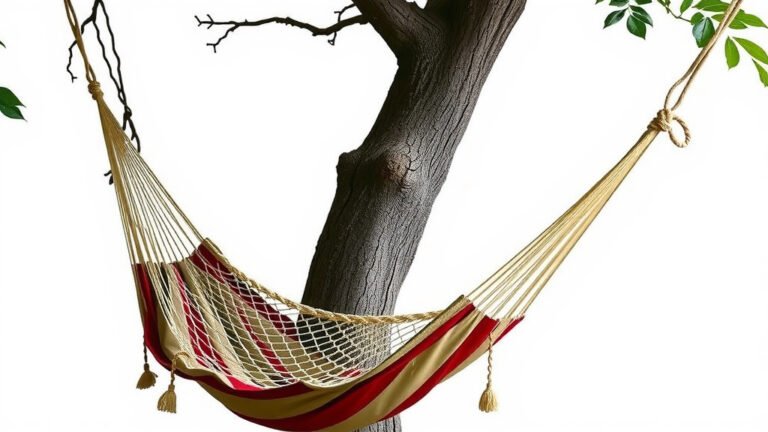
These are often made of fabric (cotton or synthetic) and are non-spreading. They hug your body as you lie in them, creating a cocoon-like feel. They are typically available in both single and double sizes. They are great for lounging and napping.
The Spreader Bar Hammock
These hammocks have wooden or metal bars at each end that keep the fabric spread open. This prevents the “cocoon” effect and makes it easier to lie flat. They are very popular for backyard use. You can find these in both single and double versions. Spreader bar hammocks can sometimes be less stable than non-spreading ones if not balanced correctly.
Quick Checklist for Your Hammock Choice
To make your decision even easier, here’s a quick checklist:
- Solo Relaxation? A single hammock is likely perfect.
- Sharing is Caring? A double hammock offers much-needed space.
- Outdoor Living? Opt for durable, weather-resistant synthetic materials.
- Indoor or Covered Area? Soft cotton can be a luxurious choice.
- Weight Needs? Always check and respect the hammock’s weight limit.
- Space Available? Measure your hanging points to ensure a good fit.
By considering these factors, you’re well on your way to choosing a hammock that provides countless hours of comfort and enjoyment.
Conclusion
You’re now equipped to choose your perfect hammock! Remember, a single hammock is your cozy solo retreat, while a double hammock offers space for sharing or extra room to spread out. We’ve seen that considering the material for comfort and durability, and always checking the weight capacity for safety, are key steps. Think about where your hammock will live and who will use it most. Your ideal relaxation spot is just a thoughtful decision away. Go ahead, pick the one that calls to you, and get ready to unwind!
Frequently Asked Questions
Can a single hammock comfortably fit two people?
Generally, no. While you might squeeze two people in a single hammock for a brief moment, it’s not designed for comfortable, sustained use by two adults. You’ll likely feel cramped and exceed the intended weight capacity.
What’s the biggest difference in feel between a single and double hammock?
A single hammock often feels more like a secure, cozy nest that hugs you. A double hammock, especially for one person, offers a feeling of spaciousness and freedom to move around more easily.
Are double hammocks harder to hang than single hammocks?
Not necessarily. The hanging process itself is usually the same. The main difference might be that a double hammock is larger and heavier, so you might need an extra pair of hands to help maneuver it.
Which type of hammock is better for camping: single or double?
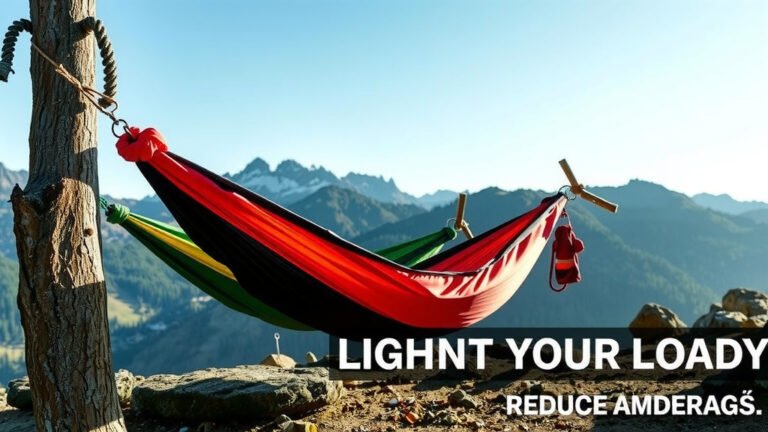
For camping, a single hammock is often preferred due to its lighter weight and smaller packed size. If you’re camping with a partner and space/weight aren’t major concerns, a compact double hammock could work. A camping hammock is often preferred for its lighter weight and smaller packed size.
How much extra space do I really need for a double hammock?
You’ll need more space between your anchor points than for a single hammock. Typically, double hammocks require about 10-15 feet of space to hang properly without being too taut or too saggy.