How to Hang a Hammock on Your Porch Safely
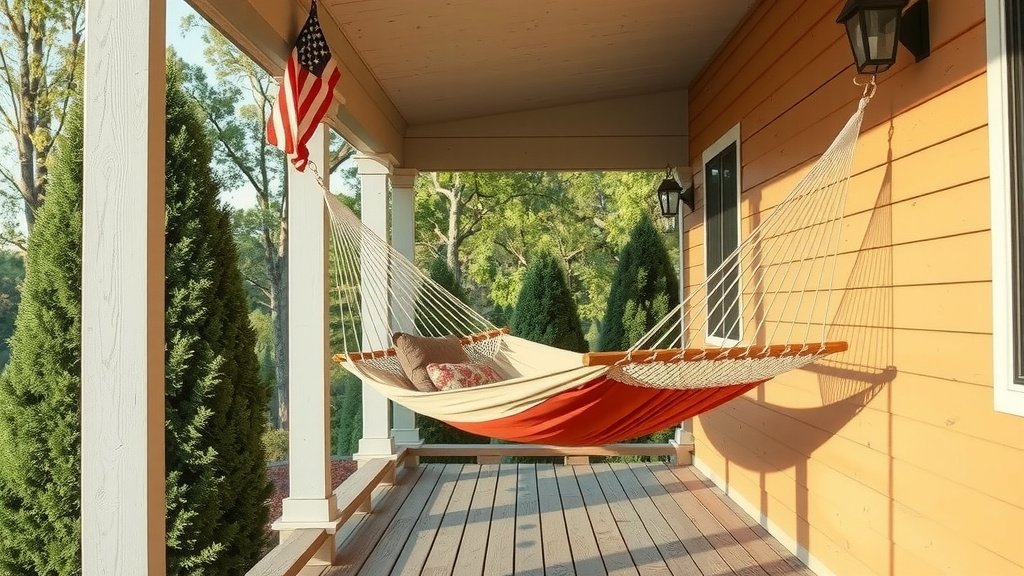
Yes, you can absolutely hang a hammock on your porch! With the right anchors, you can create your own cozy oasis without damaging your porch structure. It’s a surprisingly simple project for anyone wanting to relax outdoors.
Hanging a hammock on a porch involves finding secure anchor points, usually in sturdy wooden beams or posts. You’ll want to make sure these points can handle your weight plus the hammock’s. Many experts recommend using heavy-duty hardware designed for this purpose to ensure safety and stability.
- Find sturdy anchor points like porch beams or posts.
- Use strong, hammock-specific hardware for safety.
- Consider the spacing needed for your hammock.
- Test the setup carefully before relaxing.
Let’s walk through exactly how to get your hammock securely attached to your porch. We’ll cover the best hardware and a few simple steps to get you swinging in no time!
Setting Up Your Porch Hammock: A Step-by-Step Guide
So, you’re ready to transform your porch into the ultimate relaxation station with a hammock! It’s a fantastic idea. Many people worry about damaging their porch, but with the right approach, it’s totally doable. You can enjoy that gentle sway and fresh air without a second thought.
Let’s break down exactly what you need to do. We’ll cover finding the right spots, picking the best hardware, and ensuring everything is super secure. Think of this as your friendly roadmap to hammock bliss.
Finding the Perfect Anchor Points for Your Porch Hammock
This is where the magic happens. Your porch needs **strong anchor points**. These are typically sturdy, load-bearing parts of your porch structure. We’re talking about wooden beams or solid posts.
Identifying Sturdy Beams and Posts
First, you need to **locate your porch’s structural elements**. Look for the main wooden beams that run across the ceiling of your porch or the sturdy posts that support them. These are usually thicker than regular framing lumber.
Sometimes, these beams are hidden behind drywall or soffits. If yours are, you might need to do a little gentle probing or consult your home’s blueprints if you have them. The goal is to find something **solid and unmoving**.
What to Avoid When Choosing Anchor Points
It’s just as important to know what *not* to use. You absolutely **should not attach your hammock** to anything that seems weak or wobbly. This includes things like:
- Fascia boards (the trim along the roof edge).
- Soffits (the underside of the roof overhang).
- Decking boards themselves.
- Regular wall studs in a house wall if they aren’t directly connected to a main beam or post.
Attaching to these can lead to **unpleasant surprises**, like a hammock that suddenly drops. Always aim for the core structure.
Choosing the Right Hammock Hardware for Your Porch
Once you’ve found your anchor points, it’s time to pick the hardware. This is where **safety and durability** really come into play. You don’t want to skimp here!
Heavy-Duty Hammock Hooks and Eye Bolts
For most porch setups, you’ll likely be using heavy-duty eye bolts or specialized hammock hooks. These are designed to handle significant weight. We’re looking for hardware rated for at least **200-300 pounds per anchor point**. This is often more than enough for one or two people.
When selecting eye bolts, ensure they are **forged steel** and have a decent thread length. This helps them grip securely into the wood. Similarly, hammock hooks should be robust and have strong mounting plates. Many experts recommend using hardware specifically labeled for hammocks or swings (Mayo Clinic).
Understanding Weight Ratings and Safety Standards
Always check the **weight capacity** of your hardware. Manufacturers usually provide this information. It’s wise to choose hardware that exceeds the maximum weight you anticipate. If two people plan to lounge, you need anchors that can handle their combined weight plus a little extra for movement.
A good rule of thumb is to double the expected maximum load. This provides a **generous safety margin**. Remember, your hammock hardware is literally holding you up!
Rope, Straps, or Springs?
Your hammock might come with rope, or you might opt for tree-friendly straps if you were hanging between trees. For a porch, you’ll likely connect your hammock to the eye bolts or hooks using **heavy-duty rope, carabiners, or specialized hammock suspension kits**.
Some people like adding a hammock spring. This can provide a **softer, bouncier feel**. It also helps absorb some of the shock when you get in and out. Just make sure the spring is also rated for the weight you need.

Installation Steps: Getting Your Hammock Hung
Now for the hands-on part! Don’t worry, it’s generally a straightforward process. You’ll want some basic tools ready.
Step 1: Measure Your Hammock and Porch Space
Before drilling, you need to know the **proper spacing**. Hammocks come in different lengths, and your porch has its own dimensions. Measure the total length of your hammock when it’s hanging taut.
Then, measure the distance between your chosen anchor points. Ideally, these points should be about **10-15 feet apart** for a standard hammock. This spacing allows the hammock to hang with a gentle curve, not too tight or too saggy.
Step 2: Mark Your Anchor Points
Once you know your spacing, mark where you want to install your eye bolts or hooks. Make sure they are **level with each other**. Use a tape measure and a pencil for accuracy. It’s better to measure twice and drill once!
Step 3: Pre-Drill Pilot Holes
This step is **crucial for preventing wood splitting**. Select a drill bit that is slightly smaller than the diameter of the threaded part of your eye bolt or hook. Drill a pilot hole straight into your marked spot.
The pilot hole should be deep enough to accommodate most of the screw thread. This makes it much easier to drive the hardware in and ensures a **snug fit**.
Step 4: Install Your Eye Bolts or Hooks
Now, carefully screw your eye bolts or hooks into the pilot holes. You might be able to do this by hand, but often, you’ll need a screwdriver or pliers to get them in **tight and secure**. Make sure they are screwed in all the way, leaving minimal gap between the mounting plate and the wood.
If using eye bolts, ensure the eye is facing the direction you’ll need to attach your hammock. For hooks, ensure they are securely mounted.
Step 5: Attach Your Hammock and Test
This is the exciting part! Connect your hammock to the eye bolts or hooks using your chosen suspension method (rope, carabiners, straps, etc.). Adjust the connections so the hammock hangs with a nice, gentle **arc**. It shouldn’t look like a tight clothesline or a deep U.
Now comes the **test run**. Before you fully relax, gently put your weight into the hammock. Bounce a little. Listen for any creaking or straining. Have a helper hold the hammock steady as you ease in. Slowly increase your weight to ensure the anchors and hardware are holding firm (CDC).
A good initial test involves sitting in it for a few minutes. If everything feels solid, congratulations! You’re ready for some serious lounging.
A Quick Hammock Hanging Checklist:
- Verify Beam/Post Strength: Double-check your anchor points are solid wood.
- Measure Spacing: Ensure your anchor points are the correct distance apart.
- Use Proper Hardware: Select heavy-duty, weight-rated eye bolts or hooks.
- Pre-Drill Pilot Holes: Prevent wood splitting by drilling a smaller hole first.
- Secure Installation: Screw hardware in tightly until snug.
- Safety Test: Gently test the hammock’s weight capacity before full use.
Conclusion
You’ve got this! Hanging a hammock on your porch is a totally achievable project. By carefully selecting sturdy anchor points and using heavy-duty, weight-rated hardware, you can create your personal sanctuary. Remember to measure twice and drill once, and always perform a thorough safety test before you settle in. Your cozy porch oasis awaits! Now go forth and relax!
Frequently Asked Questions
How do I know if my porch beams are strong enough?
Look for thick, solid wood beams or posts that are part of your porch’s main structure. Avoid anything that seems thin, brittle, or wobbly. If you’re unsure, consulting a contractor or checking your home’s building plans can offer peace of mind.
What’s the best type of hardware to use for porch hammocks?
Heavy-duty eye bolts or specialized hammock hooks made from forged steel are highly recommended. Always check that the hardware has a weight rating of at least 200-300 pounds per anchor point. Using hardware specifically designed for hammocks or swings ensures maximum safety.
Can I hang a hammock if my porch beams are not exposed?
Yes, you often can! If your beams are hidden behind drywall or soffits, you’ll need to locate them carefully. You might need to gently probe or use a stud finder. Once located, you’ll drill pilot holes and install your hardware through the covering material into the solid beam.
What if my porch isn’t wide enough for the recommended spacing?
If your porch has shorter spans, you might need to use a hammock stand designed for indoor or patio use. Alternatively, you could look for shorter, compact hammocks that require less distance between anchor points. Always ensure your chosen anchors are still structurally sound.
How tight should the hammock hang?
Your hammock should hang with a gentle curve or arc, not taut like a clothesline or in a deep U-shape. This curve distributes your weight evenly and provides the most comfortable, supportive hang. Aim for about a 30-degree angle from the anchor points to the hammock body.