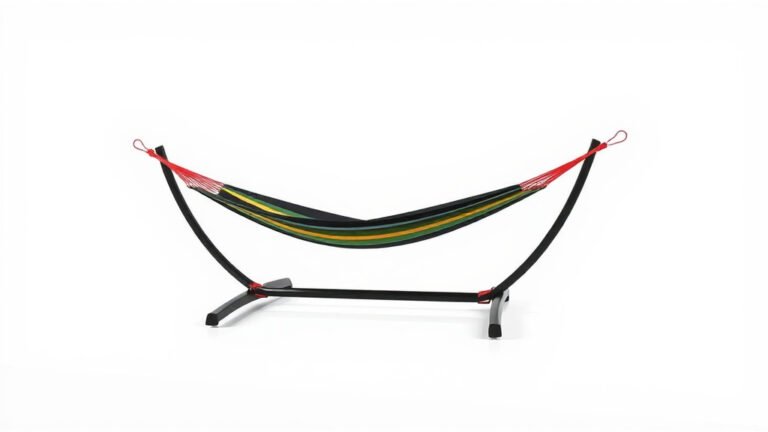

What Size Posts for a Hammock: A Complete Guide
The best post size for a hammock is a 4×4 or 6×6 wood post, or a 4-inch diameter steel post, buried at least 3 feet deep. The post height should leave about 4 to 5 feet above ground so your hammock hangs at a comfortable angle. Anything thinner or shallower risks a face-plant moment you won’t enjoy.
Why does size matter so much? A hammock puts serious pulling force on both anchor points, especially when two people climb in. We researched recommendations from builders and hammock makers, and we found that most agree post thickness, burial depth, and post spacing matter just as much as the size itself. Get one of these wrong, and even a sturdy-looking post can lean or snap.
Here’s the quick version before we dig into the details:
- Use a minimum 4×4 wood post or 4-inch steel post for a single hammock.
- Bury posts at least 3 feet deep, and set them in concrete for extra stability.
- Leave 4 to 5 feet of post above ground for proper hammock height.
- Space posts 12 to 15 feet apart, depending on your hammock length.
- Go bigger (6×6) if you plan to hang a two-person hammock.
Below, we break down everything you need to know about choosing, setting, and spacing your hammock posts, step by step. Let’s make sure your hammock stays right where you put it.
Choosing the Right Post Size for Your Hammock Setup
For most backyard hammocks, a 4×4 wood post does the job for one person. If you want a two-person hammock or plan to leave it up year-round, step up to a 6×6. We found that builders consistently recommend going bigger rather than betting on “probably fine.”
Here’s a simple way to think about it: your post is like a fishing rod. A thin rod bends under load. A thick one stays put. Hammocks pull hard in two directions at once, so thickness matters more than you’d guess.
Wood Posts vs. Steel Posts
Wood is the classic choice. It’s affordable, easy to find, and simple to dig and set. A treated 4×4 or 6×6 lumber post handles most hammock loads without complaint. Just make sure it’s pressure-treated, since ground contact rots untreated wood fast.
Steel posts are the heavyweight option. A 4-inch diameter steel post is strong enough for nearly any hammock, and it won’t rot or crack. The trade-off? Steel costs more and needs rust protection, especially near soil and sprinklers.
Which Should You Pick?
Ask yourself two questions. Will the posts stay up permanently? Will heavy friends pile into that hammock? If you answered yes to either, go steel or 6×6 wood. If it’s a seasonal setup for solo lounging, a 4×4 saves you money.
Burial Depth: Why 3 Feet Is the Magic Number
A shallow post is a leaning post. When you sink into your hammock, the anchor points get pulled inward and upward. Posts buried less than 3 feet act like levers and tip toward the hammock.
Many experts say one-third of the post’s length should be underground. So if you buy an 8-foot post, leave 4 to 5 feet above ground and bury the rest in concrete. That ratio keeps the post from wobbling every time you climb in.
Setting Posts in Concrete
We found that concrete footings are the single best upgrade for stability. Dig your hole, add a few inches of gravel for drainage, drop in the post, then pour fast-setting concrete around it.
Use a level as the concrete cures. A crooked post now means a sagging hammock later. Let the concrete set for 24 to 48 hours before hanging anything. Yes, waiting is hard. Do it anyway.
Tips for Faster, Cleaner Installation
- Call 811 before digging to mark underground utilities. It’s free.
- Use a post hole digger or auger for straight, clean holes.
- Crown the concrete slightly above grade so water drains away.
How High Should the Posts Be Above Ground?
Aim for 4 to 5 feet of exposed post. Your hammock’s hang point should sit around 4 feet high so the hammock forms a comfortable 30-degree angle when loaded. Too low, and you’ll lie on the ground. Too high, and getting in becomes a climbing event.
Post Spacing: Matching Distance to Your Hammock
Most hammocks are 9 to 11 feet long, so space your posts 12 to 15 feet apart. That extra distance lets your hammock hang with a gentle curve instead of stretching tight like a drum.
Measure your hammock first, including the ropes or straps. Add about 2 feet to its total length, and that’s your ideal post spacing.
Quick Spacing Reference
| Hammock Length | Recommended Post Spacing | Hang Height |
|---|---|---|
| 8–9 feet | 10–11 feet | 4 feet |
| 10 feet | 12–13 feet | 4–4.5 feet |
| 11–12 feet | 14–15 feet | 4.5–5 feet |

Weight Limits and Load Safety
A two-person hammock can carry 400 to 500 pounds or more, and the force on each post spikes when someone plops in. The CDC notes that even modest weights create serious impact forces when combined with motion, and hammocks are no different.
Check the weight rating on your hammock, then make sure your posts, concrete footing, and hardware all meet or beat it. Use lag eye bolts rated for the load instead of screw hooks, which can pull free over time.
Common Mistakes to Avoid
We found the same slip-ups again and again in builder forums and hammock guides. Here’s what to watch for.
The Top Errors We Saw
- Using fence posts that are too thin (3×3 or smaller).
- Skip the concrete and just tamping soil around the post.
- Spacing posts too close, which forces the hammock to hang too tight.
- Ignoring rot by skipping pressure-treated wood.
- Mounting hardware at the very top of the post, where leverage is worst.
Fixing any of these later means digging everything up. A little patience now saves a weekend of regret.
Your Pre-Dig Checklist
Before you grab a shovel, run through this quick list:
- Call 811 to mark buried utilities.
- Confirm your posts are 4×4 minimum (6×6 for two people).
- Measure hammock length and set post spacing accordingly.
- Buy concrete and gravel before you start digging.
- Have lag eye bolts and a level ready.
- Plan to wait 48 hours before the first hang.
Maintenance Tips for Long-Lasting Posts
Wood posts last 10 to 20 years with basic care. Every spring, check for soft spots, cracks, or leaning. A fresh coat of sealant on the above-ground portion goes a long way.
Steel posts need a quick rust inspection once a year. Touch up any scratched spots with paint so moisture doesn’t sneak in. Five minutes of upkeep keeps your nap spot standing for years.
Conclusion
Getting your hammock post size right comes down to a few simple choices. Pick a 4×4 wood post or 4-inch steel post for solo hangs, and step up to a 6×6 for two. Bury each post at least 3 feet deep in concrete, leave 4 to 5 feet above ground, and space them 12 to 15 feet apart. Do that, and your setup will hold up through years of lazy afternoons. We found that people who follow these basics rarely deal with leaning posts or snapped hardware. So grab your posts, call 811, and start digging this weekend. Your perfect nap spot is closer than you think.
Frequently Asked Questions
Can I use a fence post for a hammock?
Only if it’s a sturdy 4×4 or larger and set in concrete. Most standard fence posts are thinner than you’d want, so check the dimensions before reusing one. We found that thin fence posts are one of the most common causes of hammock failures.
Can I hang a hammock between a post and a tree?
Yes, as long as the tree is at least 8 to 10 inches in diameter and healthy. Just remember your post still needs the full 3-foot burial depth even with only one anchor point. The mixed setup works fine when both sides can handle the pull.
How long should I wait before hanging my hammock on new posts?
Wait a full 48 hours after pouring concrete, even with fast-setting mix. The post may feel solid before then, but the footing won’t hold up under load yet. One weekend of patience protects your whole setup.
Do hammock posts need to be pressure-treated?
If they’re wood and touching the ground, yes. Untreated wood rots within a few years of soil contact, especially in wet climates. Pressure-treated posts cost a little more but can last 10 to 20 years with basic care.
What hardware should I use to attach my hammock to the post?
Use lag eye bolts with a weight rating above your hammock’s capacity, threaded at least 3 inches into the post. Screw hooks can straighten out and fail over time. Place the bolt about 4 to 6 inches below the top of the post for the best leverage.