
What Is a Hammock Underquilt: Your Essential Guide
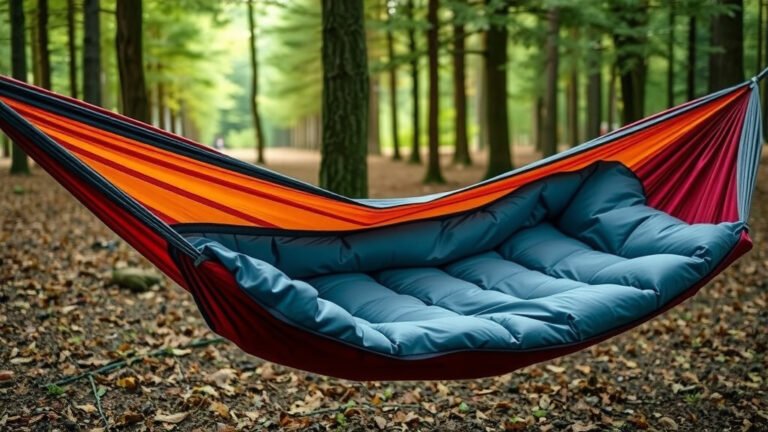
A hammock underquilt is essentially a blanket that hangs underneath your hammock. Its main job is to trap your body heat and keep you warm when sleeping outdoors. Think of it as an insulated sleeping bag that wraps around the outside of your hammock, protecting you from the cold air. It’s designed to prevent those chilly drafts from seeping in from below, which is a common problem when hammock camping.
Many campers find that sleeping in a hammock can be surprisingly cold, even on mild nights. This is often due to “cold butt syndrome,” where your body weight compresses the insulation in your sleeping bag against the hammock fabric. An underquilt solves this by providing insulation from the sides and below, ensuring your entire body stays cozy. It’s a key piece of gear for making hammock camping comfortable in cooler temperatures.
- What is a hammock underquilt? It’s an insulated layer for your hammock.
- Why do you need one? To prevent heat loss and stay warm while sleeping in a hammock.
- What problem does it solve? Cold butt syndrome and chilly drafts.
- What’s its main function? To trap your body heat effectively.
- Is it like a sleeping bag? It works with your sleeping bag but hangs underneath.
We’ve put together a guide to help you understand exactly what a hammock underquilt is and why it’s a game-changer for comfortable hammock camping.
Understanding Your Hammock’s Insulated Companion
So, you’re thinking about hammock camping? Awesome! It’s a fantastic way to sleep outdoors. But you might have heard about a chilly surprise waiting for you: the dreaded cold creeping up from below. This is where a hammock underquilt swoops in to save your night. Think of it as your hammock’s personal thermostat, working hard to keep you toasty.
What Exactly Is an Underquilt?
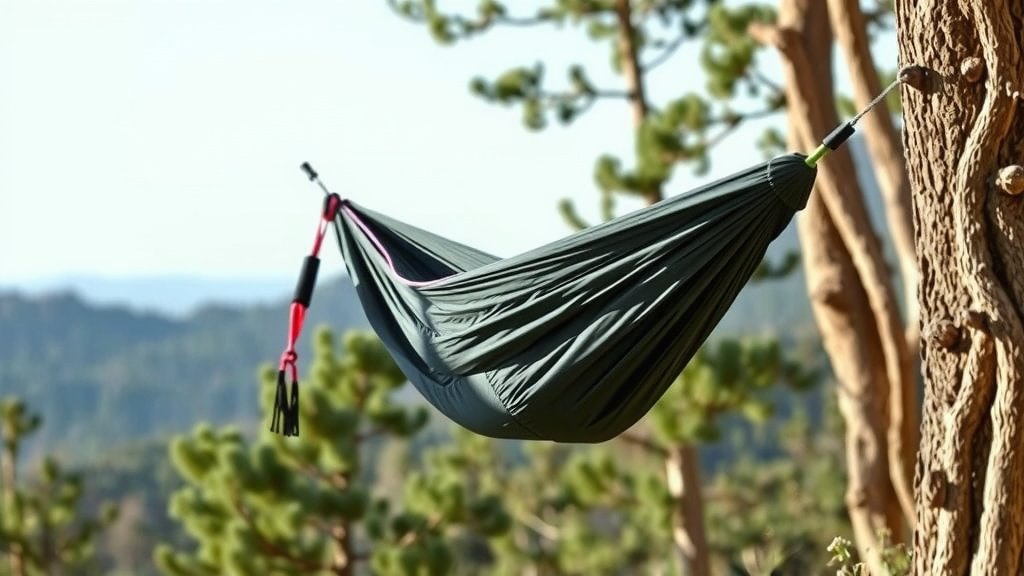
An underquilt is essentially a blanket designed to hang *underneath* your hammock. Unlike a sleeping bag you climb into, the underquilt wraps around the outside of your hammock. Its primary job is to create a barrier against the cold air. This keeps your body heat from escaping, which is key for a comfortable night’s sleep.
The Science Behind Staying Warm
When you lie in a hammock, your body weight presses down on your sleeping bag. This squishes the filling (down or synthetic insulation) flat. Flat insulation doesn’t trap air very well. Trapped air is what keeps you warm. Without effective insulation from below, that cold air finds its way right through.
Research shows that heat loss from the body can happen in several ways, including radiation and convection (Mayo Clinic). An underquilt tackles convection by blocking that chilling wind. It also helps with radiant heat loss by reflecting your body heat back towards you.
Why Not Just Use a Sleeping Pad?
This is a common question! You might think a sleeping pad inside your hammock would do the trick. While it helps, it’s usually not enough for true comfort, especially when temperatures drop. Here’s why:
- Compression: Just like with a sleeping bag, your body weight presses the pad flat. This reduces its insulating power.
- Gaps and Drafts: Sleeping pads often don’t perfectly contour to the hammock’s shape. This leaves small gaps where cold air can sneak in.
- Slipping: Pads can shift and slide around inside the hammock as you move, disrupting your insulation.
An underquilt, however, is specifically engineered to hang freely and fill the space beneath you. It remains fully lofted, meaning its insulating material stays plump and airy. This allows it to trap heat much more effectively than a compressed pad.
The Magic of Hammock Underquilt Design
Underquilts aren’t just simple blankets. They have clever designs to maximize warmth and comfort. You’ll find they come in different shapes and sizes, each serving a purpose to keep you snug.
Types of Underquilts
Most underquilts are categorized by how much of your body they cover. This helps you choose based on the weather you expect and your personal comfort level.
- Full-Length Underquilts: These are the workhorses. They extend from your head all the way to your feet. They offer the most comprehensive warmth and are ideal for colder conditions. Think of them as a full-body hug from your gear.
- Three-Quarter Underquilts: These cover most of your body, typically from your head down to your knees or mid-calves. They are lighter and pack smaller than full-length models. Many campers find them sufficient for milder weather, especially if they use a warm sleeping bag.
- Half Underquilts: Less common, these cover only your torso. They are the lightest option. You’d typically use these in very warm weather or when paired with a very warm sleeping bag and perhaps a pad for your legs.
How They Attach
Underquilts use a system of clips, cords, and shock cords. These allow you to easily attach the quilt to your hammock suspension. The goal is to create a snug seal around the hammock. This prevents cold air from entering.
The attachment system is adjustable. This means you can fine-tune the fit. You want it snug enough to block drafts but not so tight that it compresses the insulation. It’s a bit of an art!
| Coverage Type | Typical Temperature Range (Fahrenheit) | Pros | Cons |
|---|---|---|---|
| Full-Length | 20°F and below | Maximum warmth, ideal for cold weather. | Heavier, bulkier, more expensive. |
| Three-Quarter | 30°F – 50°F | Good balance of warmth and weight, versatile. | May not be warm enough for very cold nights. |
| Half | 50°F and above | Lightest weight, smallest pack size. | Least warm, suitable only for mild or warm nights. |
Key Features to Look For
When you’re shopping for an underquilt, a few things will make a big difference. Understanding these features can help you make the best choice for your adventures.
Insulation Type and Temperature Rating
The insulation is what keeps you warm. It’s measured by its “fill power” for down or by its synthetic material type and loft. Higher fill power down is warmer for its weight.
Temperature Rating: Manufacturers give underquilts a temperature rating. This is a guideline for how cold it can get and still keep you comfortable. It’s wise to err on the side of caution. Choose a rating a bit lower than your expected coldest temperature (National Weather Service).
Down vs. Synthetic: Down insulation is lighter and more compressible but loses its warmth when wet. Synthetic insulation is heavier and bulkier but insulates even when damp. Many modern underquilts use treated down to improve water resistance.
Weight and Packability
If you’re backpacking, weight and how small your gear packs down are super important. Lighter underquilts often use higher-quality down. They are designed to compress easily into your pack. A heavy, bulky underquilt can be a real drag on a long hike.
Draft Collars and Baffles
Some underquilts have draft collars. These are extra fabric tubes around the ends. They help seal out cold air even better. Internal baffles help keep the insulation evenly distributed. This prevents cold spots from forming.
Making the Most of Your Underquilt
Getting an underquilt is step one. Learning how to use it properly will make all the difference. A well-used underquilt can transform your hammock camping experience.
Proper Installation
Take the time to adjust the suspension. You want a snug fit against the hammock. This should block drafts without squishing the insulation. A good seal is crucial for warmth.
Make sure the underquilt hangs evenly. It should wrap around the bottom curve of the hammock. Avoid bunching or creating gaps. Many find it helpful to snug it up after getting into the hammock.
Pairing with Other Gear
An underquilt works best with a top quilt or sleeping bag. The top quilt is what you lie on top of. It provides warmth for your upper body. An underquilt handles the insulation from below. Together, they create a full system.
A hammock sock or bug net can also enhance comfort. A sock adds an extra layer of wind protection. A bug net keeps insects away. These items work together with your underquilt and hammock.
Quick Checklist for Underquilt Success
- Adjust attachment cords for a snug fit.
- Ensure even coverage under the entire hammock.
- Check for any gaps where cold air might enter.
- Use with a top quilt or sleeping bag for full warmth.
- Test your setup before a cold-weather trip.
- Shake out insulation to ensure full loft.
Conclusion
So, you now understand that a hammock underquilt is your secret weapon against cold nights. It’s not just a blanket; it’s an engineered piece of gear designed to trap your body heat effectively. By preventing heat loss from below, it solves the common “cold butt syndrome.” You’ve learned about different types, how they attach, and what features to look for. Now you’re ready to choose the right underquilt for your next hammock camping trip. Don’t let chilly drafts cut your adventure short – gear up with an underquilt and sleep soundly under the stars.
Frequently Asked Questions
Will an underquilt really make a difference in cold weather?
Yes, an underquilt makes a huge difference in cold weather. It provides essential insulation from below, preventing your body heat from escaping through the hammock. This is something a sleeping bag alone often can’t do effectively due to compression.
Can I use a regular sleeping bag instead of an underquilt?
While you can try, a regular sleeping bag won’t perform as well as an underquilt. Your body weight compresses the insulation inside a sleeping bag when you lie down, reducing its warmth. An underquilt hangs freely, keeping its loft and insulating power.
How do I know which temperature rating to choose for an underquilt?
It’s best to choose an underquilt with a temperature rating that is at least 10-15 degrees Fahrenheit lower than the coldest temperature you expect to encounter. This gives you a comfort buffer and ensures you stay warm even if conditions are a bit rougher than predicted.
Is it difficult to attach an underquilt to my hammock?
Most underquilts come with simple attachment systems using clips and cords. While it might take a few tries to get the hang of it, attaching an underquilt is generally straightforward. Proper adjustment is key to blocking drafts effectively.
Do I need a special hammock to use an underquilt?
No, you don’t need a special hammock. Underquilts are designed to work with most standard camping hammocks. Their adjustable suspension systems allow them to attach securely to the sides of your hammock, regardless of the specific model.